Cage Art StudioWhere art meets craftDownload
All orders ship within 0–2 business daysFree shipping over 2,500 TL4% off with bank transfer/EFT50 TL off your first order
All orders ship within 0–2 business days
Academy
Free guides on candles, concrete and using molds.
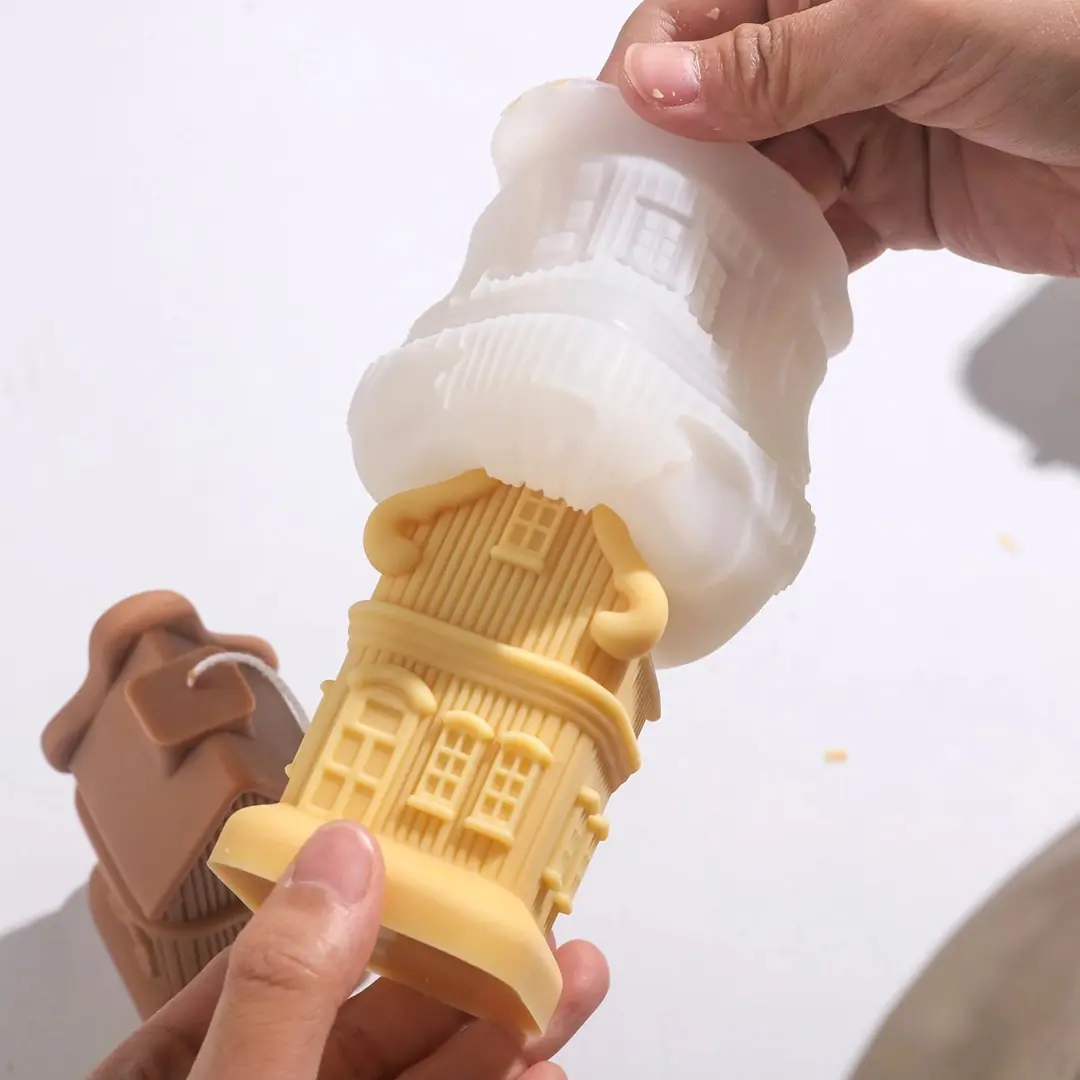 Featured guideSilicone Mold InstructionsPreparing the mold, pouring, demolding and cleaning, step by step.Read the guide
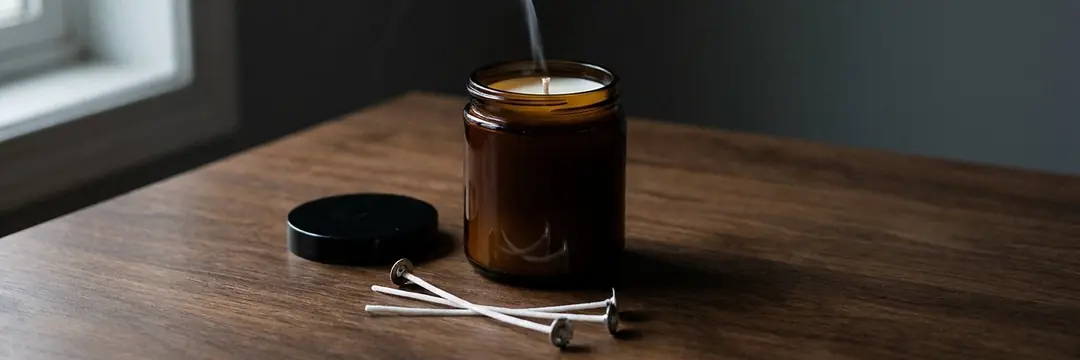
Why Is My Candle Smoking? 7 Causes of Soot and Black Jars
Find out why your candle smokes and why the jar turns black, then fix it step by step with wick trimming, draft control and the right wick size.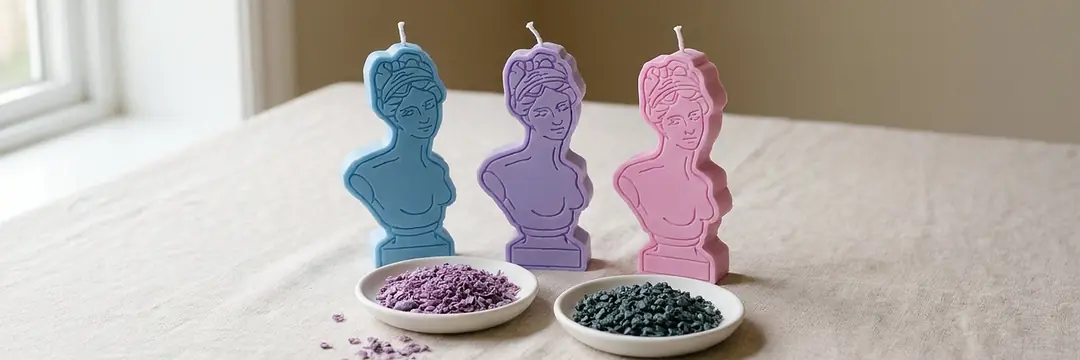
How to Use Candle Dye: Dye Chips, Amounts and Color Mixing
Weigh granule candle dye by the gram, add it at the right temperature, test the shade on a white plate and mix colors to build new shades.
How to Use Candle Polish: 6 Steps for a Glossy Finish
Apply candle polish the right way: surface prep, a thin coat, 5–6 hours to dry, a second coat if you like and 24 hours for full drying.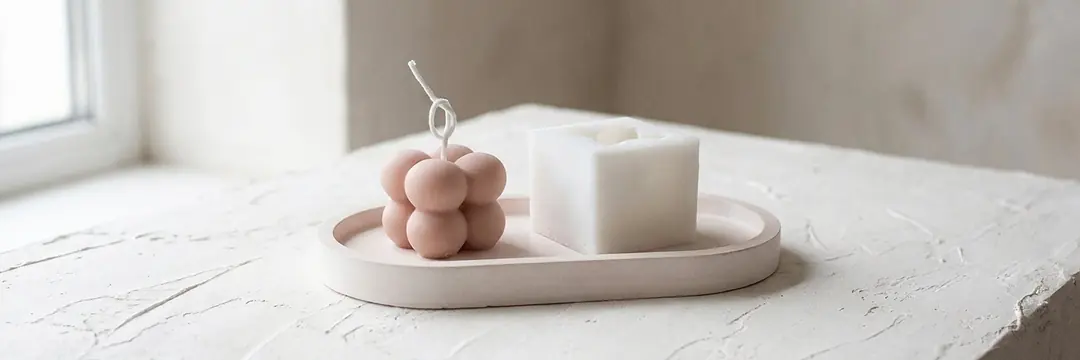
How to Use Silicone Molds: From First Pour to Storage
Prepare a silicone mold for its first pour; choose release agents, removal times, cleaning methods and calculators for the material.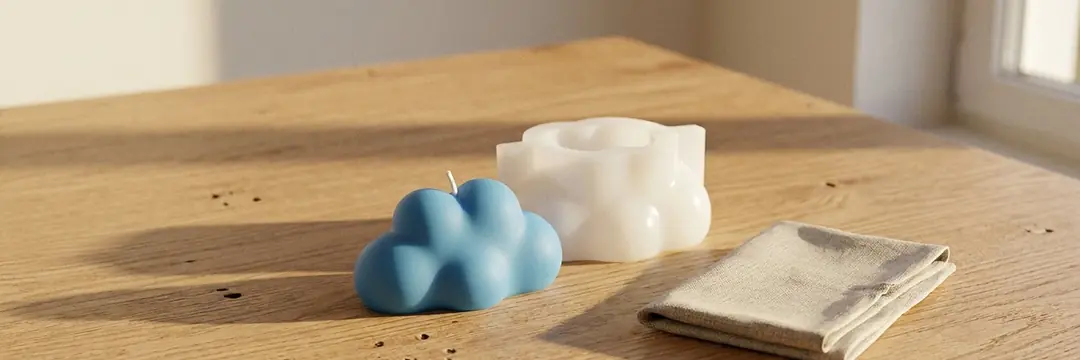
How to Choose a Candle Making Kit: 3 Kits Compared
Compare 3 candle making kits by contents and project type; find a starting point for jar candles, molded candles or a gift.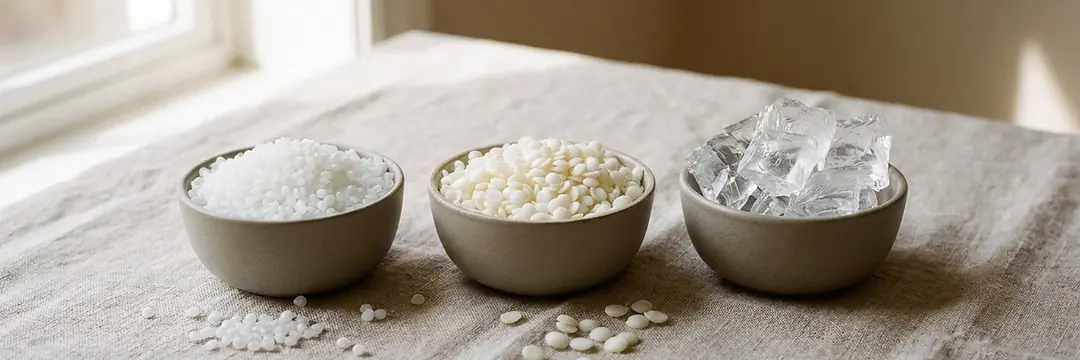
What Are Candles Made Of? 5 Material Groups and Components
Learn a candle’s materials, components and burning process. Compare wax types by application and product information.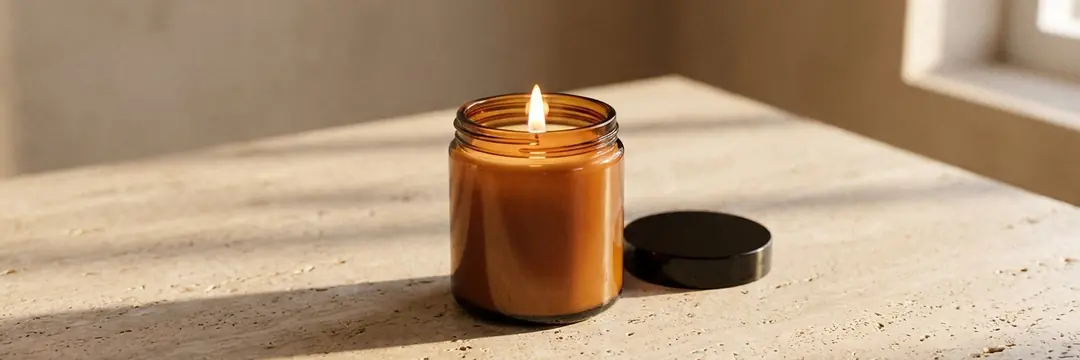
How Long Does a Candle Burn? Measure and Calculate
Measure burn time using weight loss and hours. Consider tealight information, sample calculations, wick and use conditions together.
How Much Wax Does a Silicone Mold Hold? Capacity Table
Sizes and estimated wax capacities for 224 silicone molds, plus water measurement, stone powder calculations and a second-pour allowance.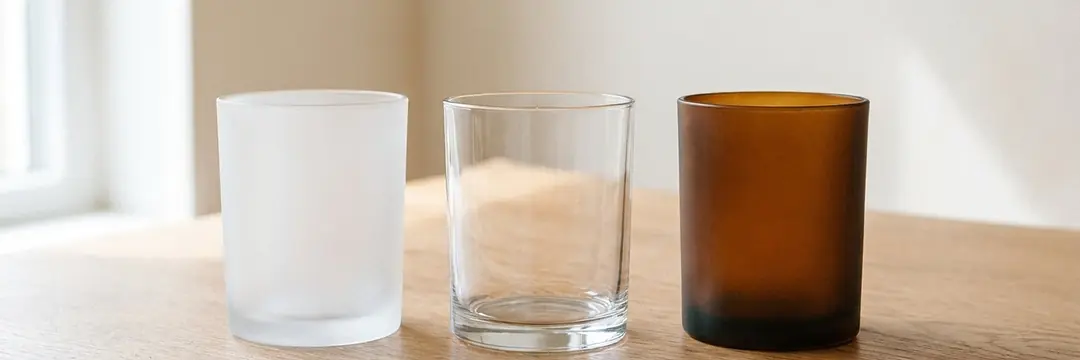
Choosing Candle Jars: Glass, Volume and Wicks
Amber, frosted and clear candle containers: actual fill weight, internal diameter, wicks, lids and checks before the first pour.
Why Do Candles Turn Yellow? Causes and Color Changes
Distinguish yellowing from fading in white and soy candles; investigate fragrance, heat and sunlight with test pours.
Polycarbonate vs Silicone Candle Molds: A Comparison
Compare polycarbonate and silicone candle molds by shape, gloss, release, wax compatibility and care.Tools
Candle making kits
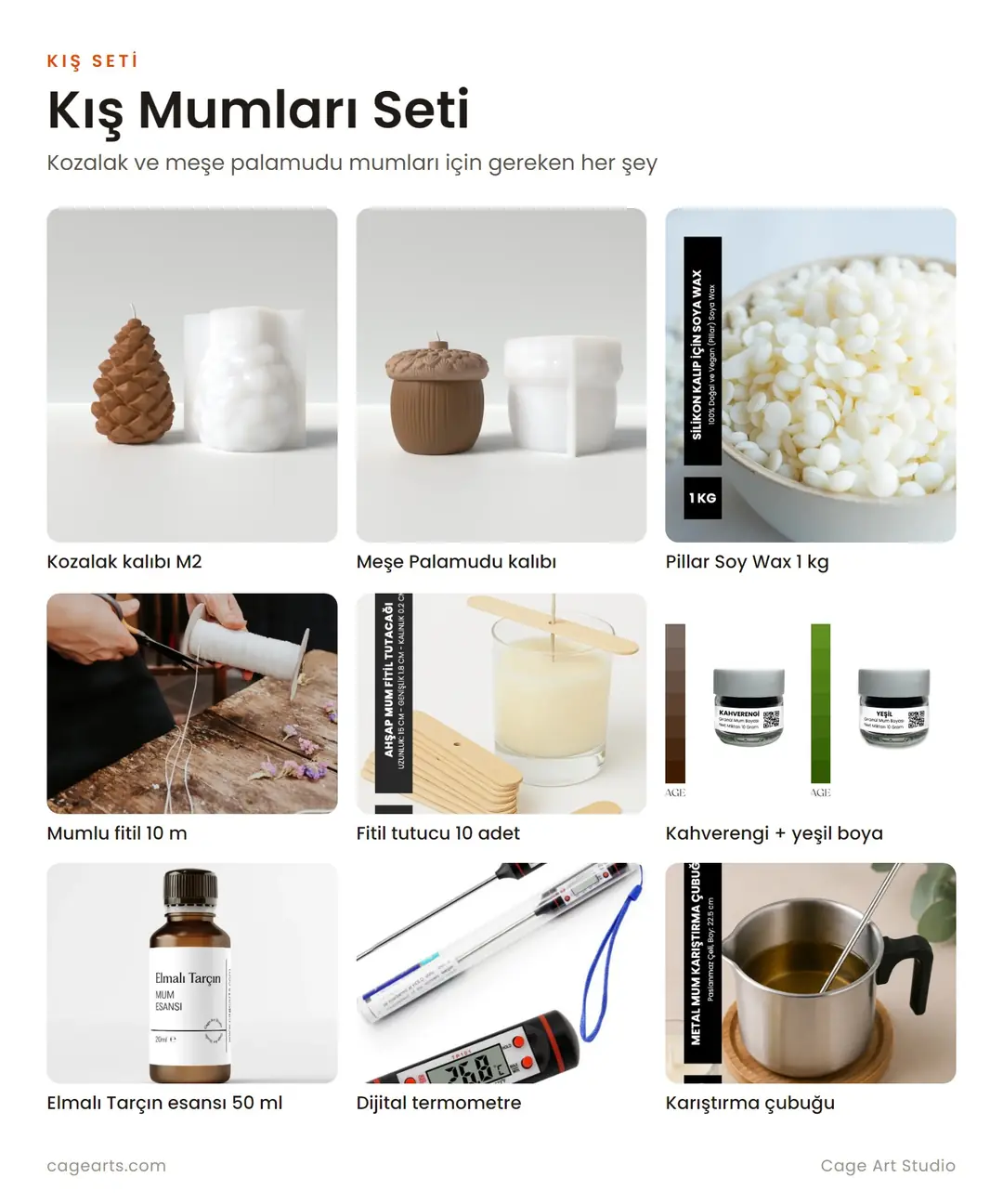
Winter Candles Set: Pine Cone and Acorn Mold Candle Making Kit
Pine Cone and Acorn silicone molds, 1 kg Pillar Soy Wax, wick, holder, brown and green dye, Apple Cinnamon fragrance oil and thermometer in one set.
₺1,590.00View the kit
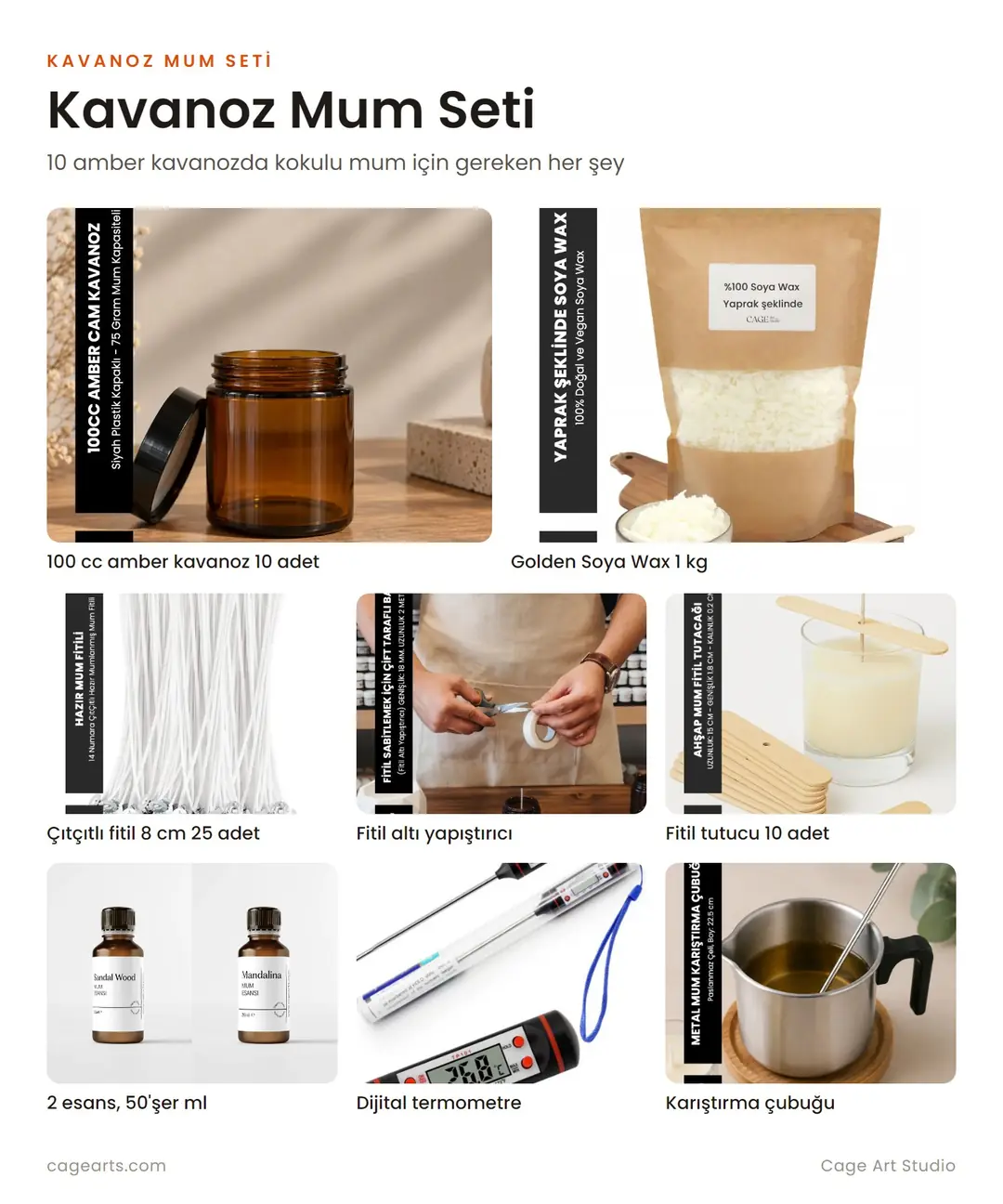
Jar Candle Making Kit - 10 Amber Jars, Golden Soya Wax and 2 Fragrance Oils
Scented jar candle kit: 1 kg Golden Soya Wax, 10 amber 100 cc jars, 25 pre-tabbed wicks, wick stickers, holder, 2 fragrance oils and a thermometer.
₺1,490.00View the kit
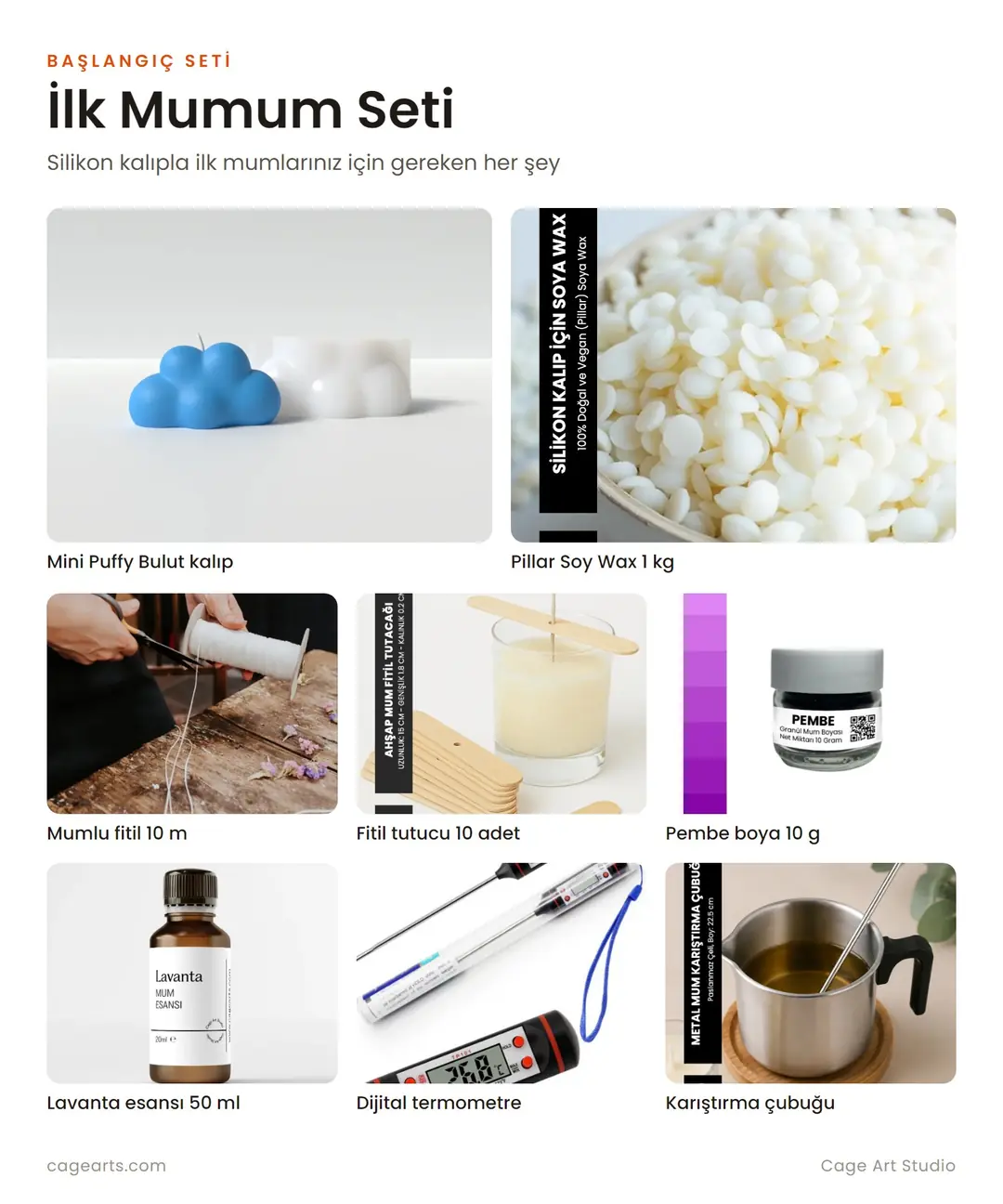
My First Candle Starter Set: Mold, Soy Wax, Wick, Dye and Fragrance Oil
For your first silicone-mold candles: 1 kg Pillar Soy Wax, Mini Puffy Cloud mold, wick, holder, dye, 50 ml fragrance oil, thermometer, stirrer.
₺999.00View the kit
1 · Where to start
Your first candle in five steps
2 · Pocket chart
Measurements at a glance
All the numbers from our guides in one place. Take a screenshot and keep it handy in your workshop.
3 · Calculator
How many grams of fragrance oil, how many grams of dye?
Choose what you are making and the wax amount; fragrance oil, dye, stearic acid and pouring temperature show up right away.
What are you making?
The mold's page lists how many grams it holds
Recommended 6–10%
- Fragrance oil
- 80 g
- Dye granules
- 0.7–1 g
- Stearic acid
- Gerekmez
- Pouring temperature
- 55–65 °C
Fragrance oil is calculated by wax weight; for light shades, start with just a few dye granules and add more little by little.
Pillar Soy Wax is usually poured at 55–65 °C; if the room is cold, you can go up to 70 °C.
If you do not know how many grams your mold holds, find out with the mold calculator; if you sell your candles, work out your cost per candle on the Grow Your Business page.
4 · Troubleshooting
Common problems
Candle is hard to remove from the mold
If the wax is poured too cold, it sets in layers and is hard to remove from the mold. Pour Pillar Soy Wax at 55–65 °C; if the room is cold, you can go up to 70 °C. Demold usually after 3–5 hours (depending on the mold size), once the mold no longer feels warm and the base is firm. If you have trouble with a mold that has no slit, you can cut a small slit on the side or back of the mold with a utility knife.
Center sank, surface came out rough
Poured too hot: soy wax separates as it cools, the center sinks, and the surface can come out rough with white blotches. If it has not started to set within 30 minutes, the temperature is too high. Try lowering the pouring temperature in 3 °C steps; put the candle in a draft-free room at 20–24 °C, not in the refrigerator. A sunken center is normal for paraffin pillar candles; once it cools, make a second pour.
There are white crystals on the surface
This is called frosting. It is a natural trait of soy wax and does not affect the burn. Pouring too hot can increase the white blotches; keep the pouring temperature within the recommended range.
The candle's scent is weak
The fragrance oil may have been added to cold wax, stirred too little, or the candle may not have rested long enough. Add the fragrance oil at 80–85 °C and stir slowly for 2 minutes, then let the soy candle rest for 1–2 weeks. Adding more fragrance oil is not the solution.
Candle is sweating, there is oil on the surface
Too much fragrance oil, fragrance oil added to cold wax, or fast and uneven cooling causes sweating. Gently melt the surface with a heat gun and the fragrance oil will blend back into the wax. Keep the ratio at 6–10% and store candles at 18–25 °C.
Wick is mushrooming and producing soot
The flame is drawing more fuel than it can burn: the fragrance oil and dye ratio is high or the wick is too thick. Trim the wick to 0.5 cm; reduce the fragrance oil and dye, or switch to a thinner wick.
The candle's color turned yellow
Fragrance oils that contain vanillin (vanilla and some sweet scents) darken with air and light, and this is more noticeable in soy wax. It is a visual change and does not affect the burn. Choose a dark color for these scents and keep the candle away from light.
Air bubbles are left in the concrete
Slowly add the water to the concrete powder and mix until smooth, then fill the mold slowly. Do not leave the concrete in the mold longer than necessary; test mixes of unknown brands in a single mold first.
How do I clean the mold?
First wipe it with a paper towel, then wash it with a soft sponge using tap water and a little dish detergent. Do not put it in the dishwasher and do not use solvents; store it on a flat surface, not stacked, and away from sunlight.
5 · What our customers made
Your pours
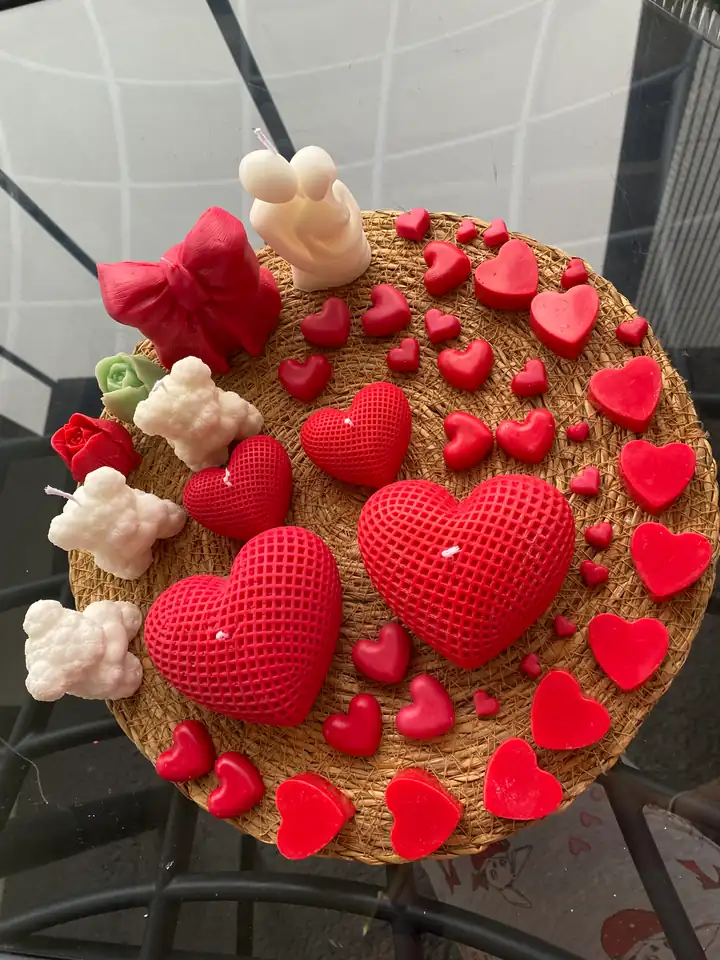
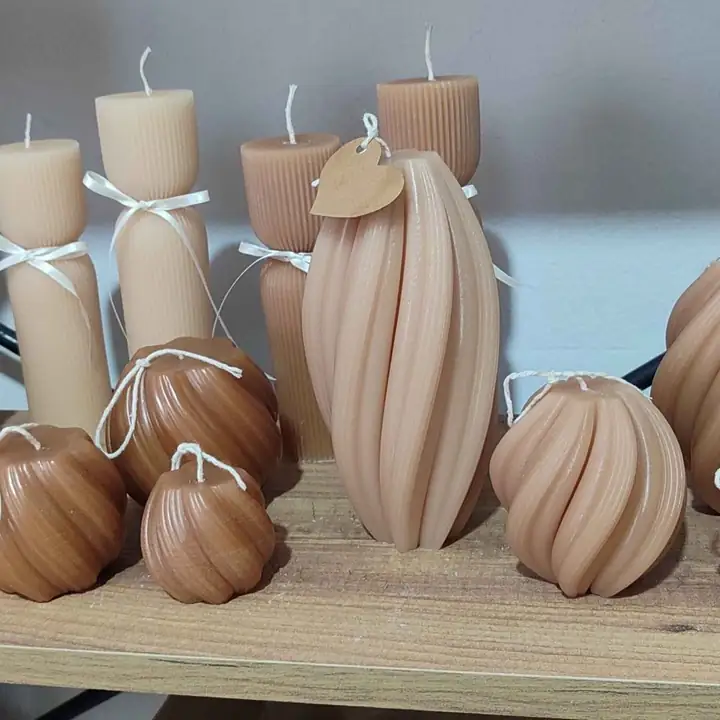
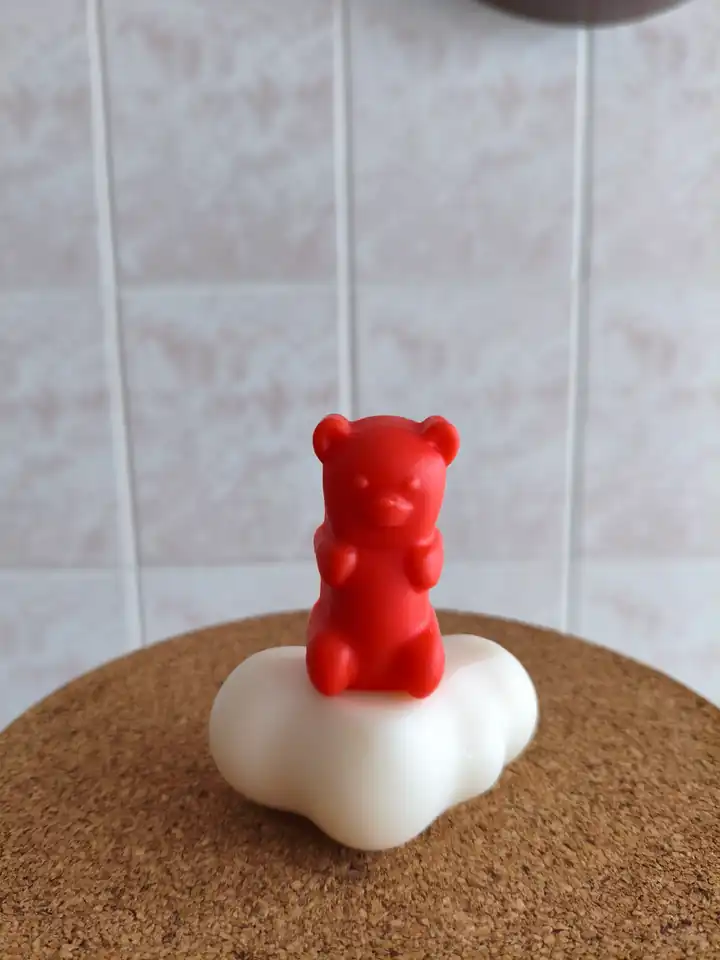
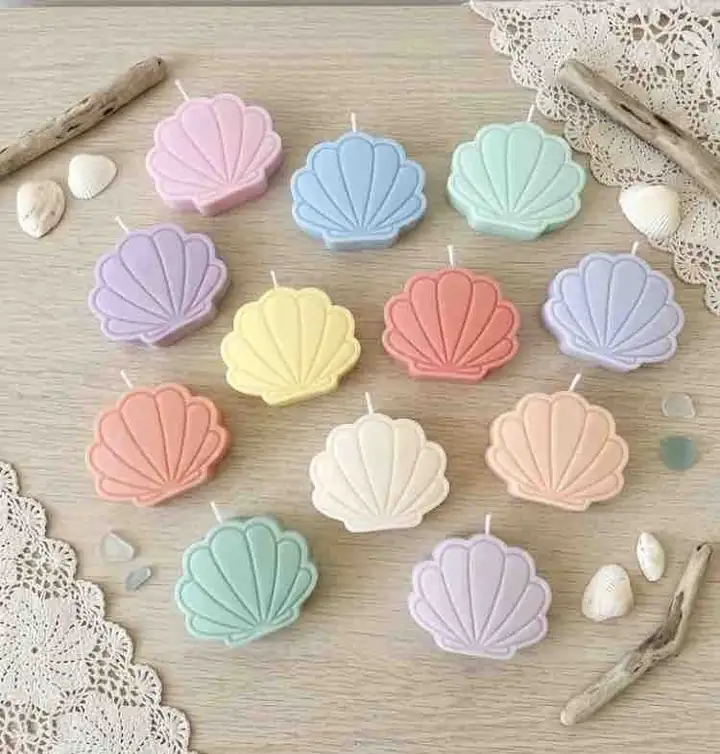
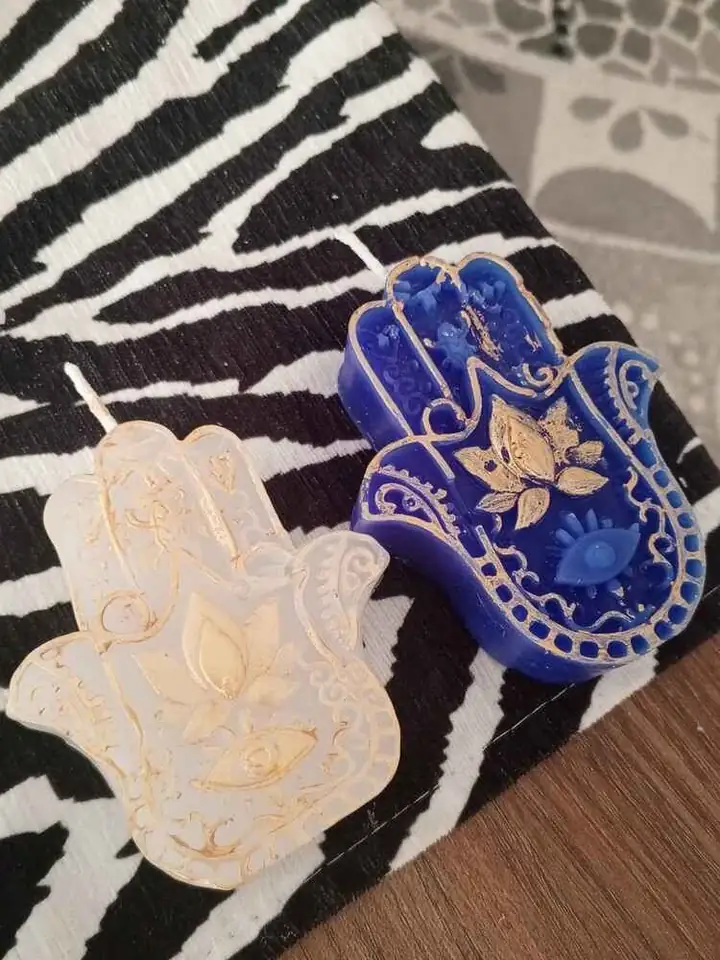
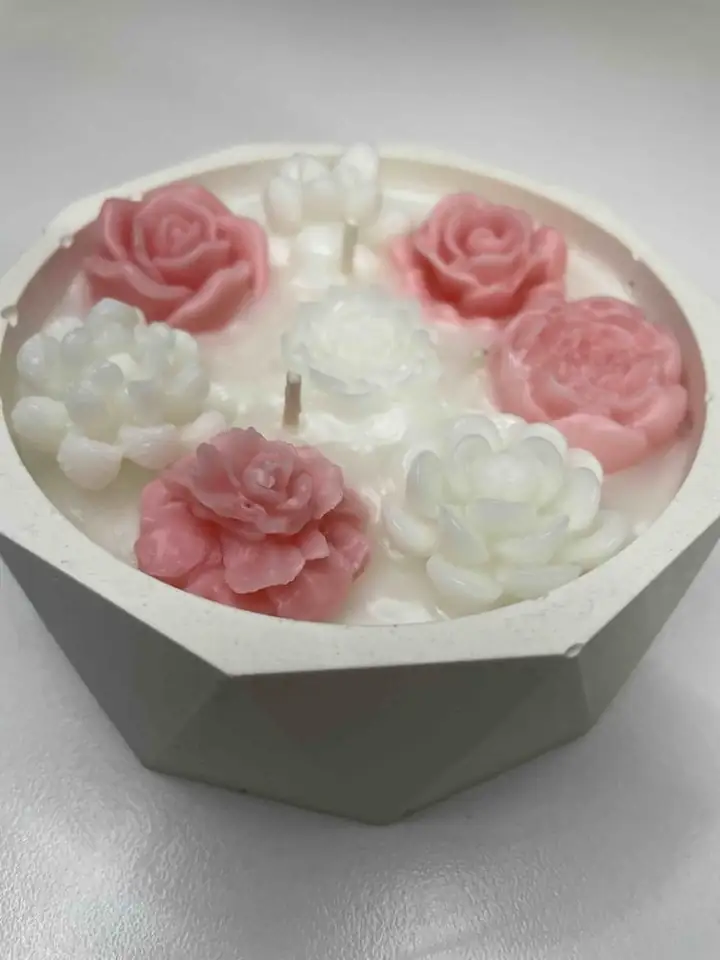
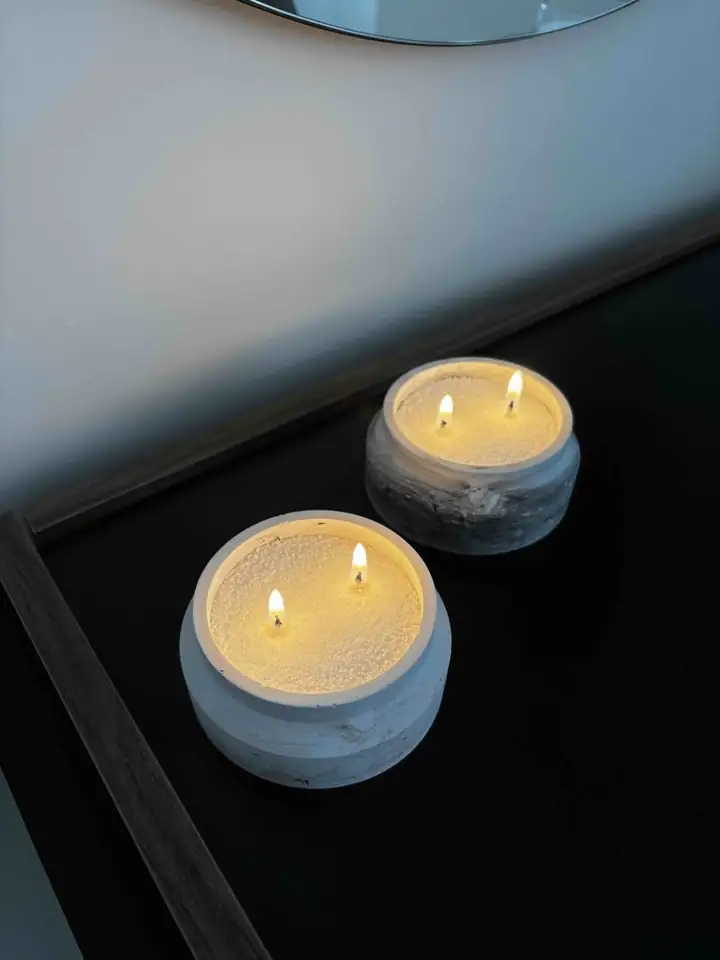
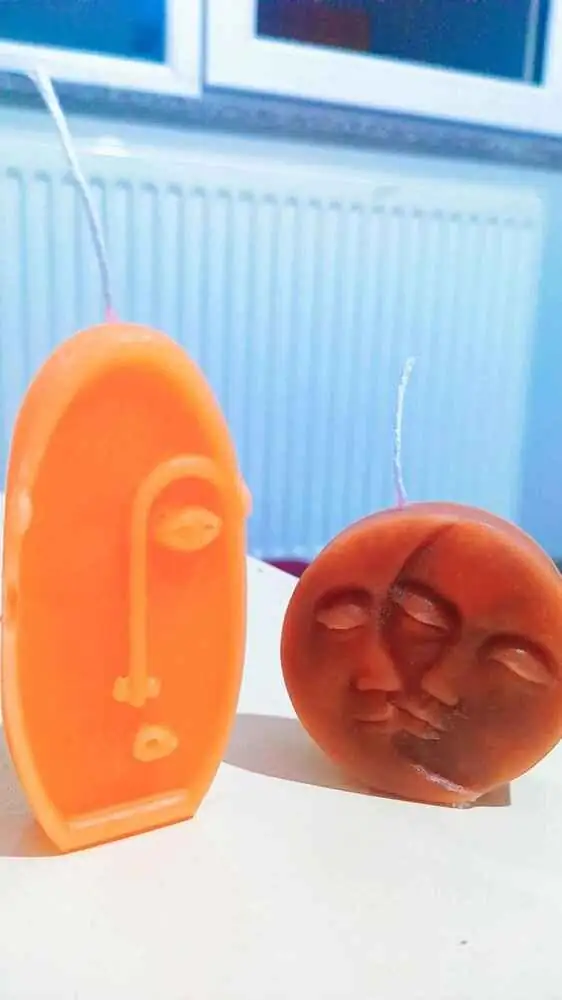
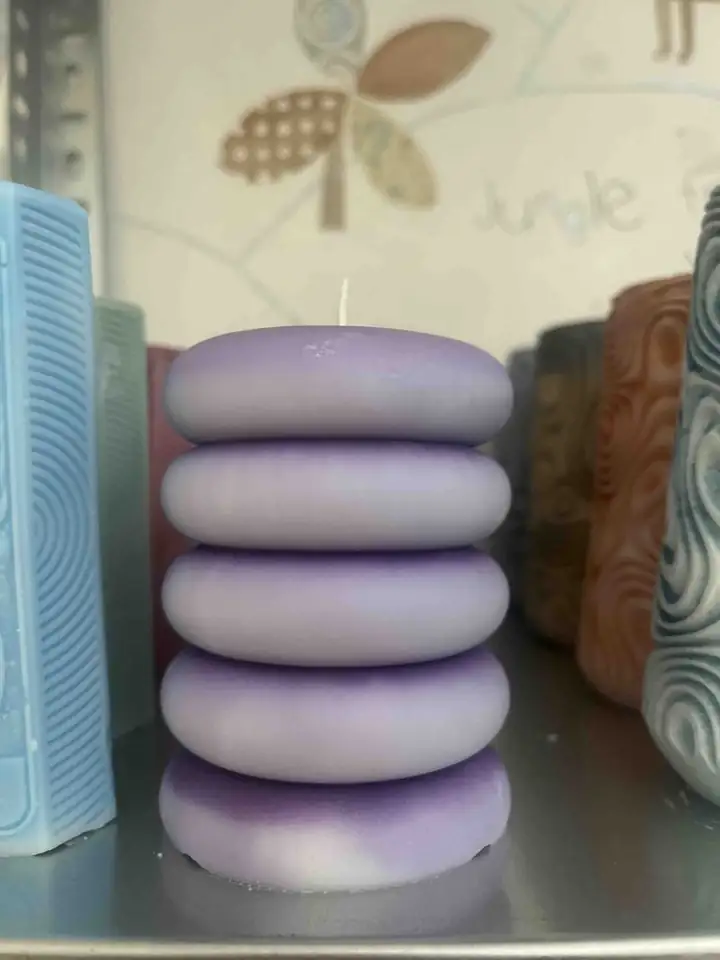
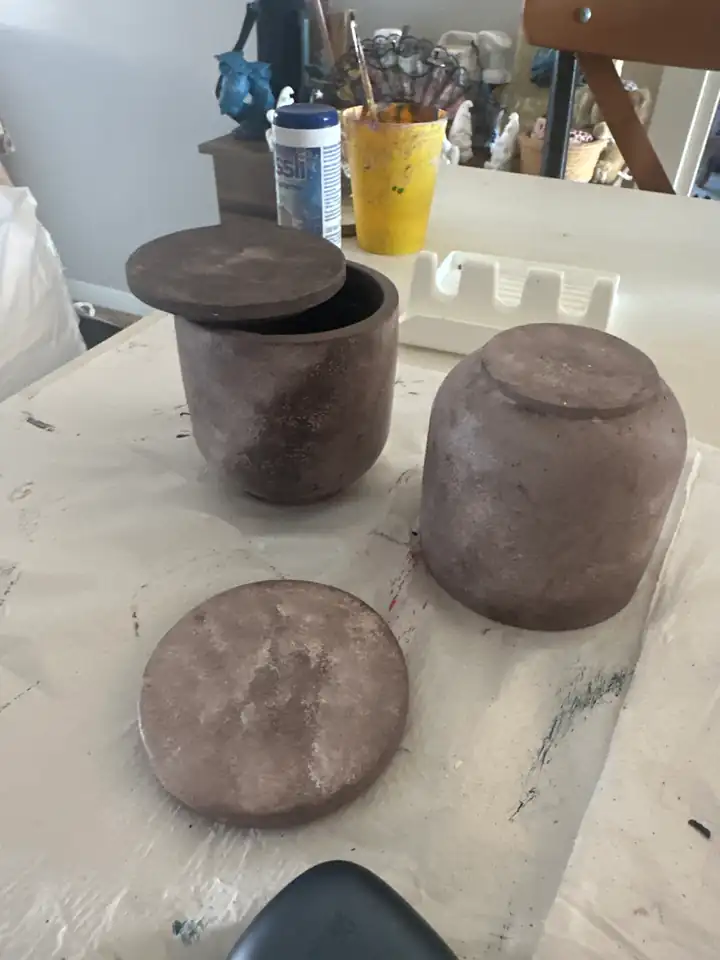
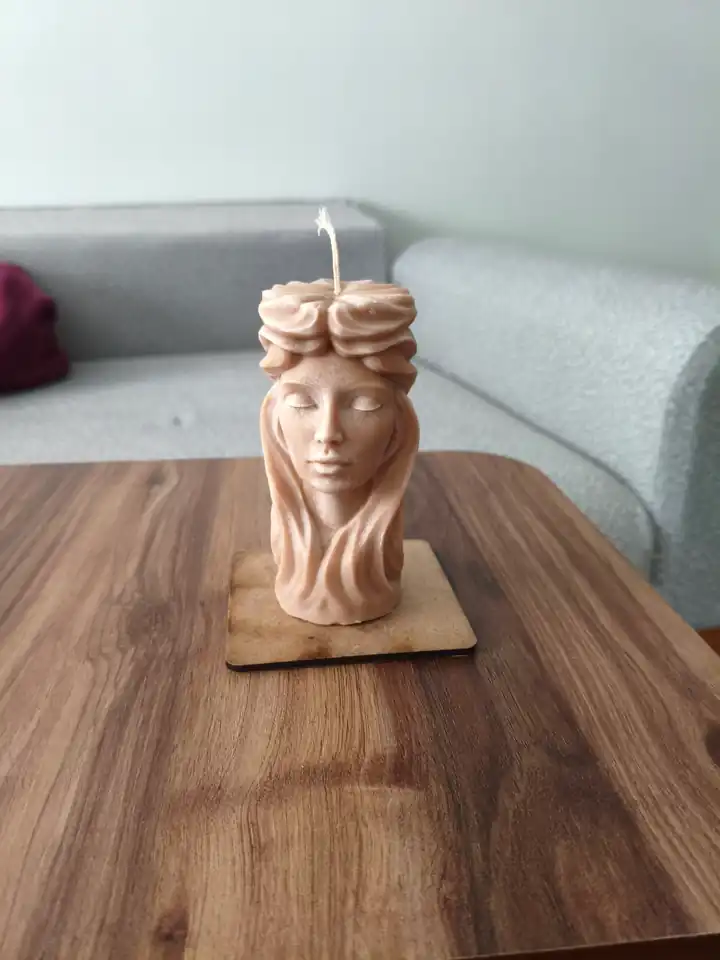
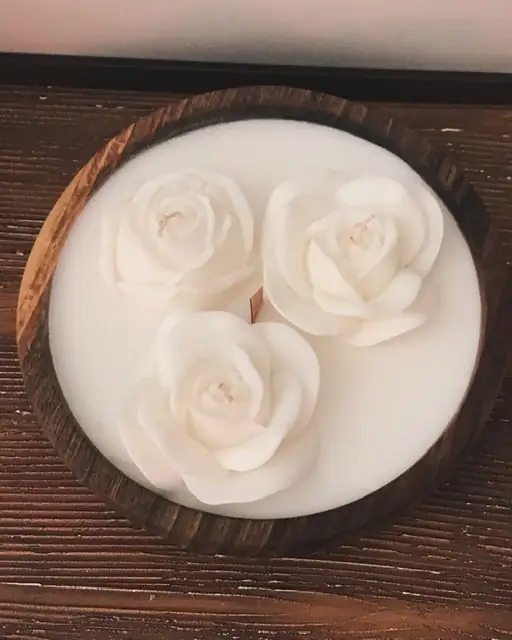
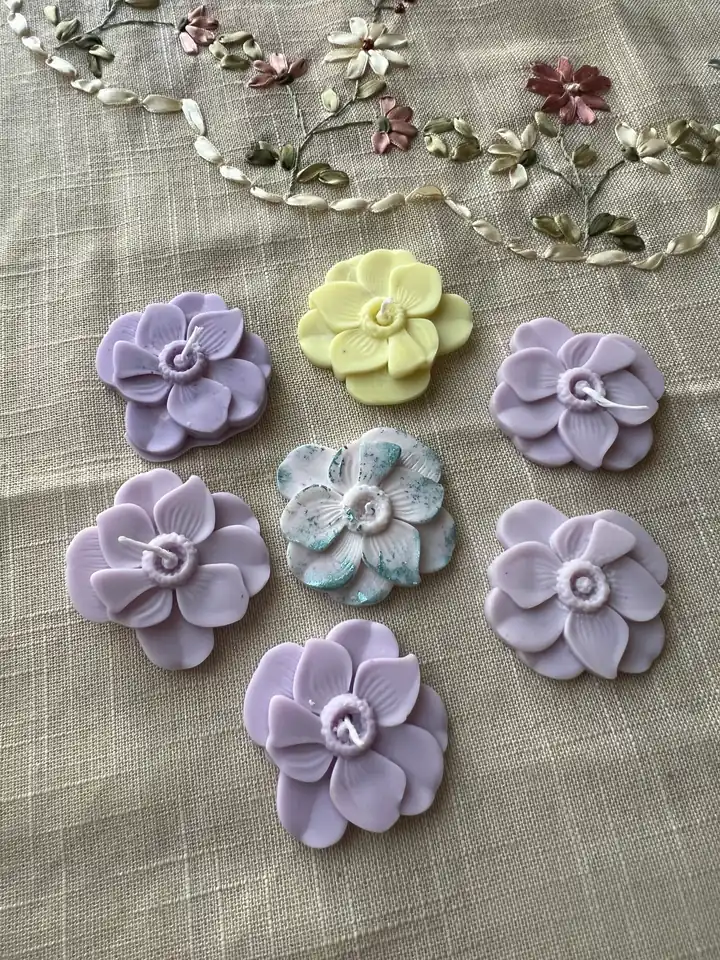
From photo reviews in our cagearts.com and Trendyol stores. Share what you made with a photo review, too.


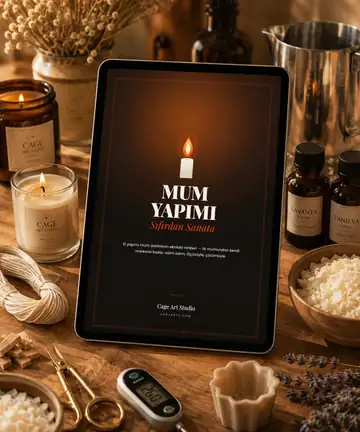
Free with every order
Candle Making and Selling Guide from Scratch
We give our e-book, which walks you step by step from choosing materials to your first sales, as a gift with every order.