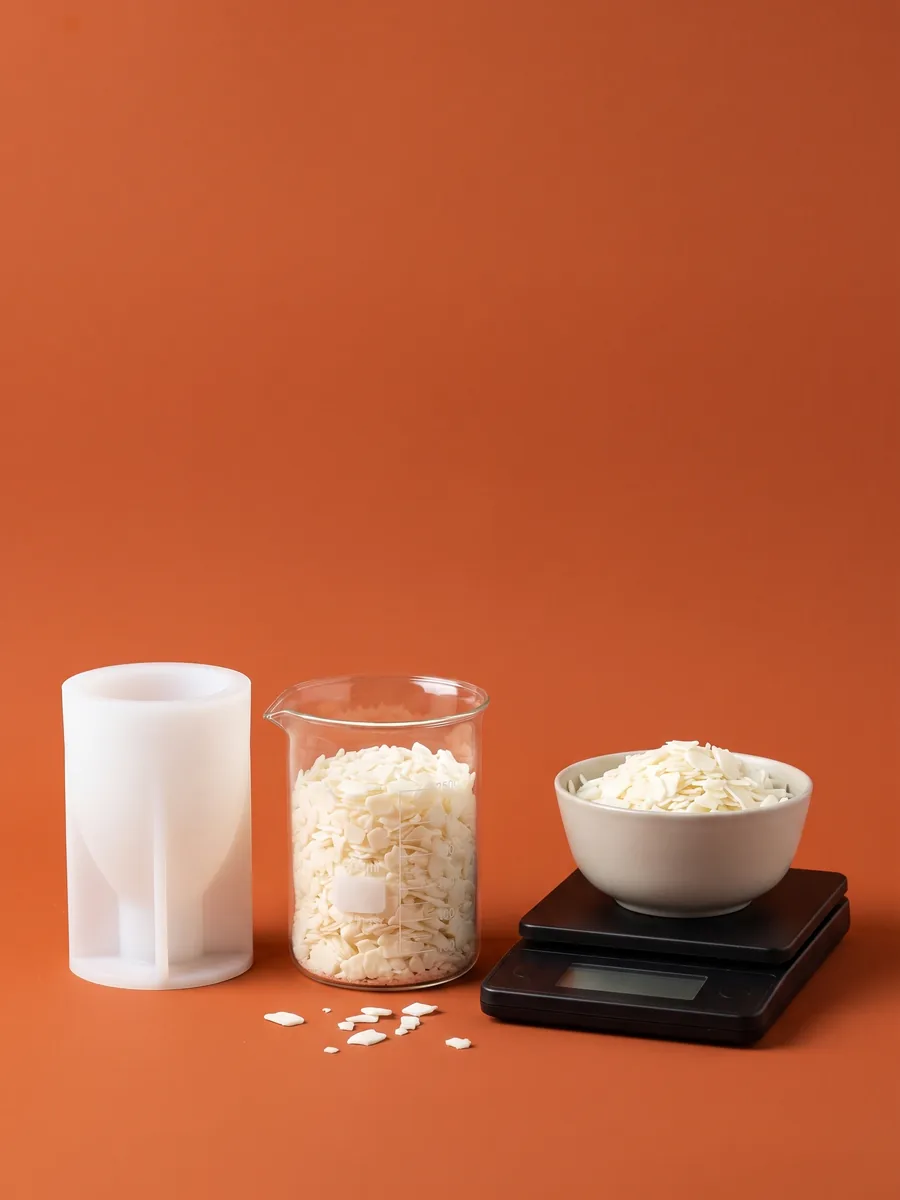
Choosing Candle Jars: Glass, Volume and Wicks
Choose candle jars by matching glass suitable for candles to its inside diameter, target fill weight and wick tests. Our 100 cc amber jar holds approximately 75 g wax, while the 250 cc version holds approximately 190 g. Do not equate volume with wax weight; weigh the first fill, inspect the glass and test the sample’s burn.
In short
- Choose an undamaged container made for candles with clear usage information.
- Our 100 cc amber jar holds about 75 g of candle wax; the 250 cc model holds about 190 g.
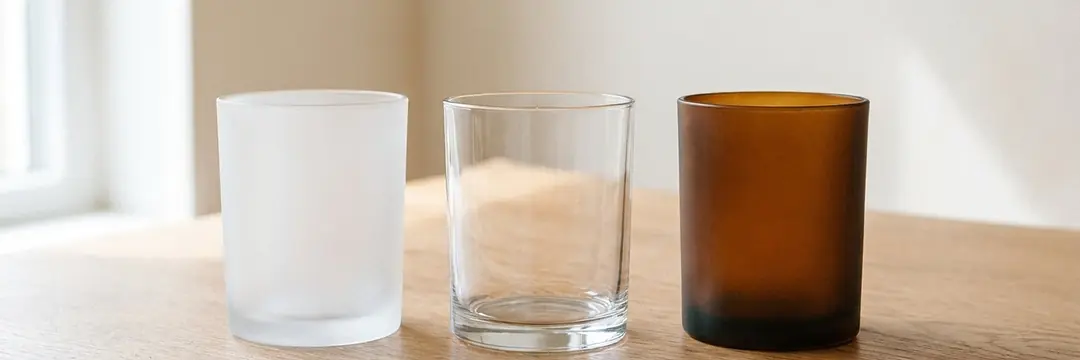
- Our frosted, frosted amber and clear glasses hold 150 g of wax and have a top internal diameter of 6.4 cm.
- Wick length alone does not tell you which container diameter it suits.
- Lids are for storage; do not close them over burning or still-warm candles.
Which jars are safe for candles?
Thick glass, a heavy base or the phrase “heat resistant” is not enough. Candle containers undergo prolonged, localized heating. Ask the supplier for candle-use suitability and any relevant testing information. A kitchen glass intended for hot drinks is not automatically a candle container.
ASTM F2179, described by the NCA, addresses annealing and thermal shock in glass made for candle containers. Mentioning it does not mean we provide certification for every product below. We make no certified-product claim where the catalog has no verified test document; assess each product’s usage information separately.
Thermal shock involves sudden temperature differences in glass. Filling cold glass with very hot liquid or washing hot glass in cold water can pose a risk. If preheating is required, follow container and wax instructions; there is no single temperature for all glass. Do not fill a cracked, chipped or rim-damaged container with candle wax.
How do you choose amber, frosted or clear candle containers?
| Container type | Appearance and use | Caution |
|---|---|---|
| Amber glass | Warm brown tone; lidded models. | May reduce light exposure; not complete protection. |
| Frosted glass | Matte, translucent surface. | A matte finish is not proof of heat resistance. |
| Clear glass | Shows wax color and fill level. | Arrange storage to protect from light. |
| Lidded jar | Practical for transport and storage. | Keep the lid away from flames and hot wax. |
| Ceramic container | Opaque surface; varied shapes. | Confirm candle suitability and check for cracks. |
| Concrete or casting-powder container | Cast your own shape. | Check porosity, coating and heat suitability separately. |
Consider wax color and label readability when choosing glass. Clear glass reveals the fill; frosting gives a more muted view. Amber is a design option for winter fragrances or simple labels. These visual choices do not replace wick testing or suitability information for the glass.
What jar volume do you need, and how much wax will it hold?
| Model | Capacity listed for the product | Dimensions note |
|---|---|---|
| 100 cc amber jar, plastic lid | ~75 g wax | Product dimensions: 6 × 6 cm |
| 250 cc amber jar, metal lid | ~190 g wax | Diameter 7 cm; height 8.8 cm |
| Frosted amber glass | 150 g wax | Top internal diameter 6.4 cm; height 8 cm |
| Frosted glass | 150 g wax | Top internal diameter 6.4 cm; height 8 cm |
| Clear glass | 150 g wax | Top internal diameter 6.4 cm; height 8 cm |
cc and ml measure volume; grams of wax measure weight. Do not treat wax like water and allocate 100 g to a 100 ml jar. Listed wax capacity is a more direct starting point than a generic density estimate. Still weigh a first sample using your wax, fragrance and fill level; do not fill to the brim and obstruct the lid.
For example, with a 150 g total fill and fragrance at 8% of wax weight, calculate wax as 150 ÷ 1.08: about 139 g wax and 11 g fragrance. This is an arithmetic example; the wax and fragrance products’ permitted load takes priority. For other sizes and batch quantities, see how many candles 1 kg of wax makes.
How do you choose a wick for the jar’s diameter?
Measure internal rather than external diameter when choosing a wick. In a tapered container, top and bottom widths differ. We do not assume the 250 cc jar’s listed 7 cm is internal diameter. The 150 g glasses explicitly list a 6.4 cm top internal diameter, providing a starting point for wick trials.
An 8 cm or 12 cm pre-tabbed wick label describes length, not burning capacity. Wicks of equal length may have different thicknesses and braids. Wax, fragrance, dye and container all affect burning. Center the wick and monitor melt pool, flame behavior and container condition during testing. See how to choose a candle wick.
A good first burn does not guarantee the same result throughout use. Conditions change as wax level falls, especially in tapered containers. Plan to assess the candle’s full use cycle. Also read how to burn candles for general safe practices.
Do lidded candle jars preserve fragrance?
A lid can keep fully cooled wax dust-free and help limit fragrance loss in storage. It does not fix a weak formula or remove all effects of light. Do not put an ordinary storage lid over a burning or hot candle. Assess plastic and metal lids according to their product instructions.
Do not make unmeasured claims about sealing or scent-retention duration when testing lids with candles. Keep the lid’s underside clean and avoid condensation by waiting until the wax cools. Fragrance evaluation and curing are covered in making soy candles; here container selection is separate from the recipe.
Can you make candle containers from concrete or stone powder?
You can cast concrete or casting-powder containers in silicone candle-holder molds. A sturdy-looking object is not automatically suitable for direct wax filling and burning. Assess casting material, porosity, moisture, wall structure and coating together. An arbitrary varnish does not prove heat suitability.
How do you inspect a jar before its first fill?
- 1
Read product information
Burn time depends on the amount of wax, the wick and the container diameter. Confirm that the container was designed for candles, its dimensions and recommended fill. Ask the supplier if heat suitability or reuse information is missing; do not rely on appearance alone.
- 2
Inspect the glass
Look for cracks, chips or obvious damage on the rim, base and sides. Do not use damaged containers for filling; check lid fit and stability on a level surface.
- 3
Record diameter and fill weight
Record internal diameter for wick selection and recommended fill weight for wax calculations. Do not equate volume with grams; weigh your recipe in a verified first fill.
- 4
Clean and dry
Clean by a method permitted by the manufacturer and dry completely. Avoid sudden temperature changes between cold glass and hot wax; preheat only when suitable instructions exist.
- 5
Test the sample
Center the wick and make a sample with your chosen wax and fragrance. After curing, conduct a properly supervised burn test; reassess if the container, wick or recipe changes.
For used candle jars, ask separately about cleaning and suitability for refilling. Spotless glass does not reveal its heating history. See cleaning candle jars for safe wax removal. If suitability is uncertain, choose a flameless use instead of forcing a refill.
What matters when choosing containers for gifts or sale?
For gifts, check the flat label area, whether the lid can open in its box and how glass will be supported in transit. Scent, net fill and safe-use information should be readable. Do not copy rated capacity as net weight; weigh the actual fill. See making and selling candles from home for sales preparation.
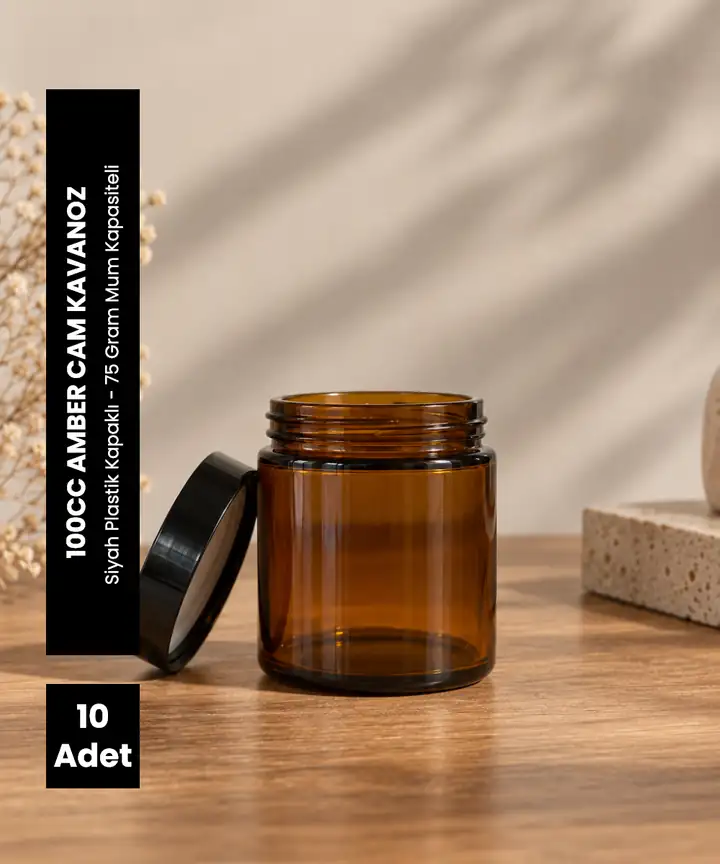 100cc Amber Glass Candle Jar with Black Plastic LidView
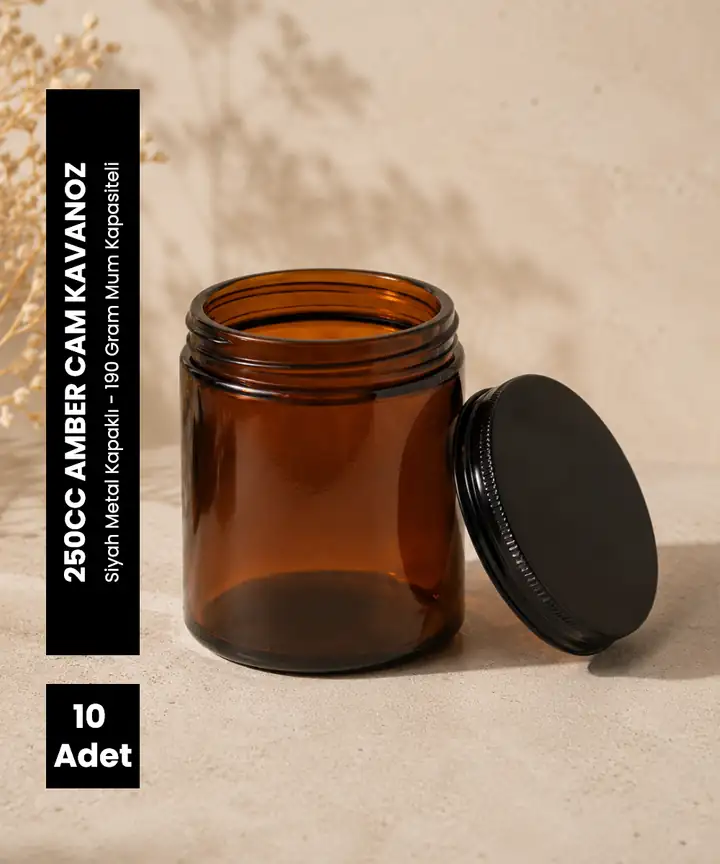 250 cc Amber Glass Candle Jar with Black Metal LidView
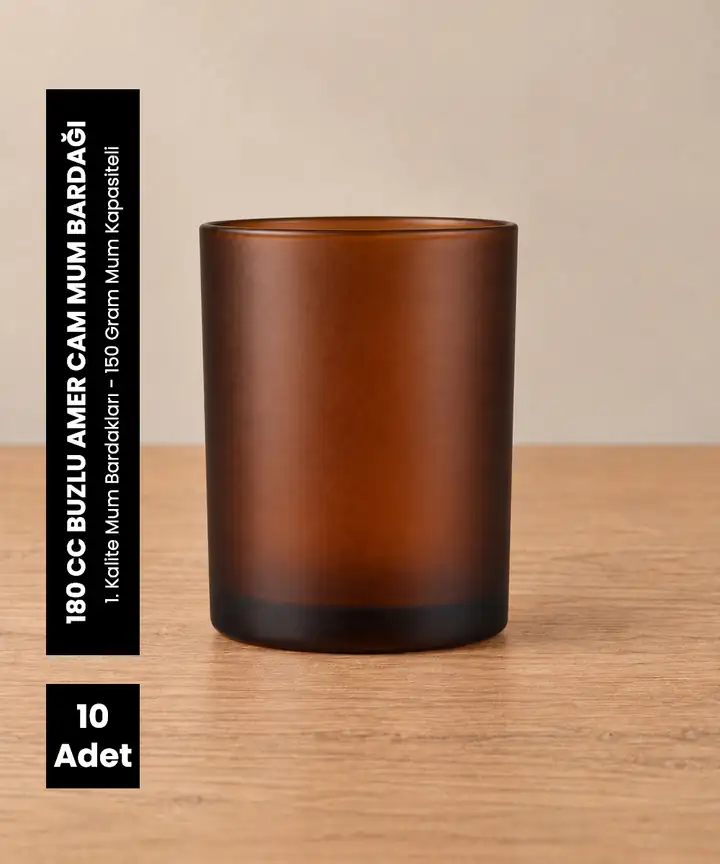 Frosted Amber Candle Glass, 150 g Wax CapacityView
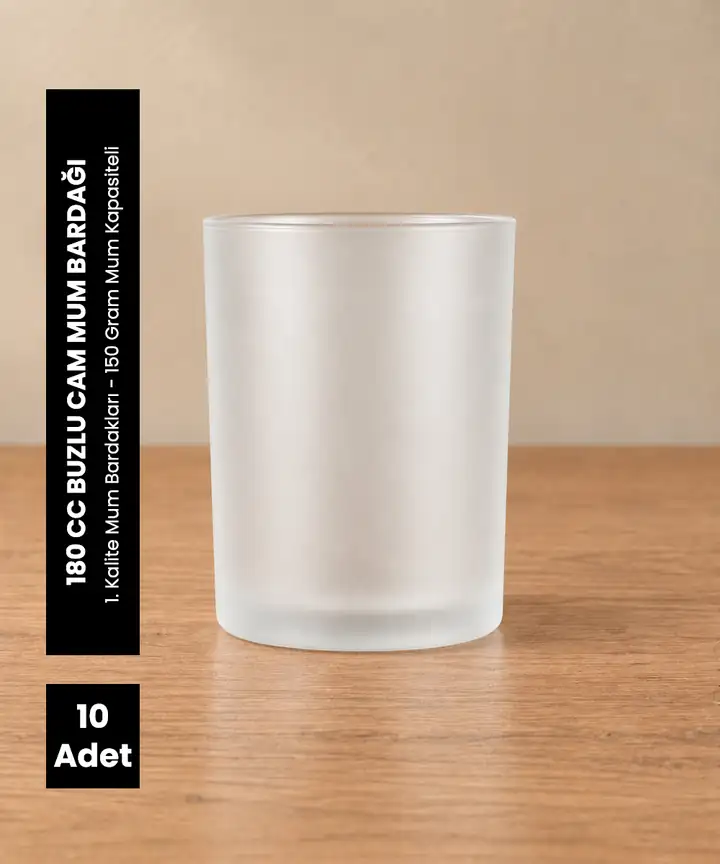 Frosted Glass Candle Jar - 150 g Wax CapacityView
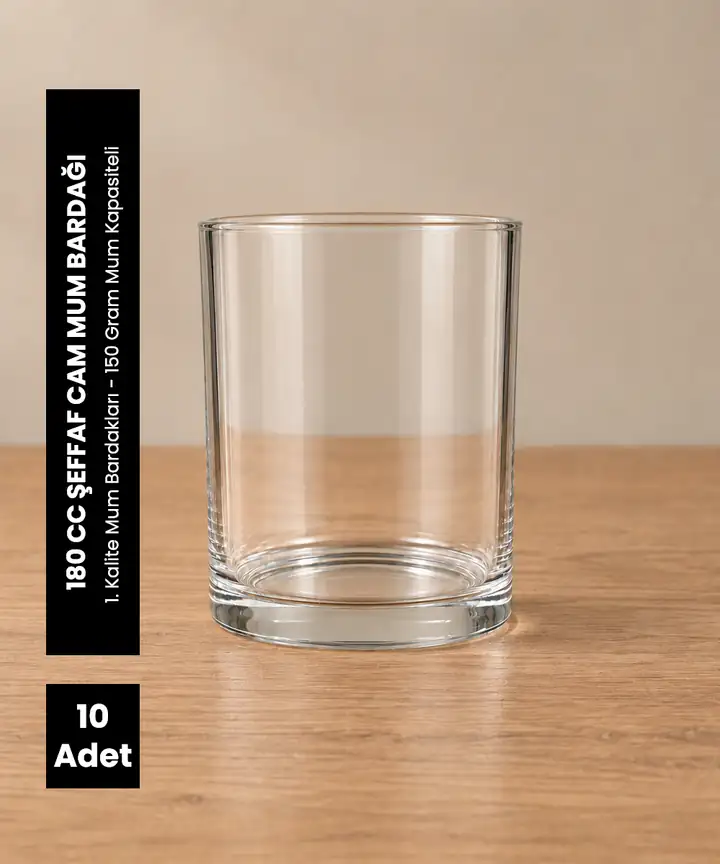 Clear Candle Glass, 150 g Wax CapacityView
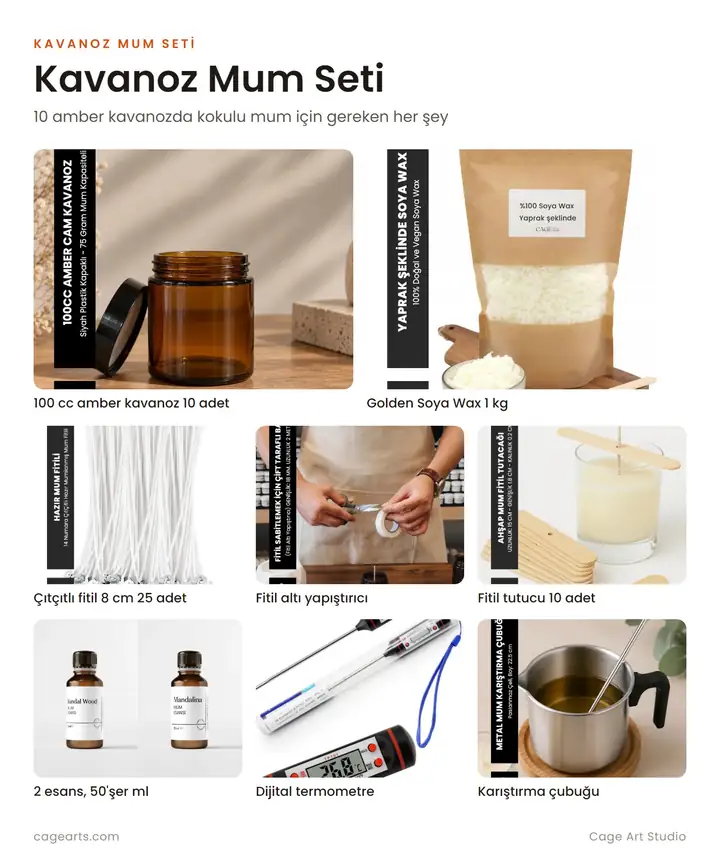 Jar Candle Making Kit - 10 Amber Jars, Golden Soya Wax and 2 Fragrance OilsView
What are common questions about candle jars?
Can any jar be used for candles?
No. Glass color or apparent thickness does not establish candle suitability. Check supplier information for a purpose-made container and burn-test your own recipe.
How much wax fits a 100 cc candle jar?
Our 100 cc amber jar lists an approximate candle capacity of 75 g. This is not a universal conversion for all 100 ml containers; fill level and recipe matter.
How much wax fits a 250 cc amber jar?
The product lists about 190 g candle capacity, 7 cm diameter and 8.8 cm height. Measure internal diameter separately before selecting a wick; do not assume the listed diameter is internal.
How many ml is a 150 g candle glass?
A 150 g wax capacity is a weight, not 150 ml of volume. Our frosted, frosted amber and clear glasses list a top internal diameter of 6.4 cm.
Does amber glass guarantee no yellowing?
No. Amber appearance does not guarantee complete UV protection or stable color. Store candles away from direct sunlight and excessive heat.
Can a candle lid be used to extinguish the flame?
Use a lid as a snuffer only if the manufacturer explicitly designed it for that purpose. Do not close a general storage lid over a flame; it is for storing fully cooled candles.
Plan the container and materials together
Pair amber jars, frosted and clear glasses with wax, wicks and kits.