How to Use Candle Dye: Dye Chips, Amounts and Color Mixing
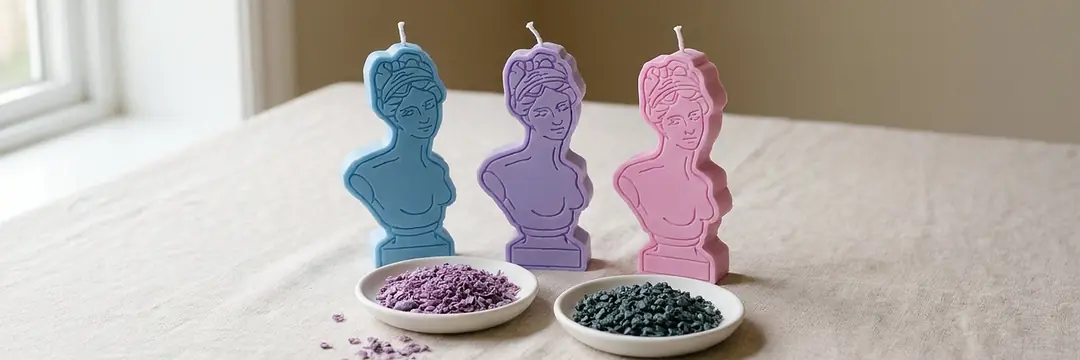
To use candle dye, add it to melted wax at around 80–85 °C and stir until it dissolves completely. 10 g of dye granules colors roughly 10–15 kg of wax; 0.7–1 g is enough for 1 kg. Melted wax looks darker than it does once set, so drip a little onto a white plate and check the shade on the hardened sample.
In short
- 0.7–1 g of dye granules is enough for 1 kg of wax.
- Add the dye at 80–85 °C and stir until no granules are left on the bottom.
- Melted wax looks dark; adjust the shade by the hardened drop.
- Colors come out more pastel in soy wax than in paraffin.
- Candle dye is not for stone powder, plaster or soap.
What is candle dye and how is it different from pigment?
According to the NCA, candle dyes dissolve in the wax and color the candle all the way through. Because they are combustible, they don't clog the wick when used in the right amount. Pigments, on the other hand, are insoluble particles that stay suspended in the wax; they coat the surface like paint and fade later, but they can clog the wick when burned.
Pigment (surface paint, crayons)
Doesn't dissolve in wax; it stays suspended. It can clog the wick in a burning candle and is only suitable for decorating the outside surface.
Candle dye (granules)
Dissolves completely in wax and colors the candle from the inside. In the right amount, it doesn't clog the wick.
Cage Art Studio's dye granules are oil-based and melt quickly in wax. As the product description notes, the color of the granule in the package may look different from the color in the candle: the true color appears once the dye has melted and mixed with the wax.
How much candle dye should you use?
According to the product information, 10 g of dye granules colors roughly 10–15 kg of soy wax or paraffin. That works out to 0.7–1 g per 1 kg of wax. For the details of the ratio and how to calculate it together with fragrance oil, see the candle fragrance oil and dye ratio guide; here we give a practical gram chart.
| Amount of wax | Dye granules (medium shade) | Note |
|---|---|---|
| 200 g | 0,14–0,2 g | A single jar or a small figure; you need a scale accurate to 0.1 g. |
| 500 g | 0,35–0,5 g | 2–3 medium-sized molded candles. |
| 1 kg | 0,7–1 g | The base ratio from the product information. |
| 5 kg | 3,5–5 g | Batch pour; melt the dye in a small portion first. |
These values are a starting point for a medium shade. Use less dye for a pastel shade; for a dark shade, increase the dye little by little. According to CandleScience, dark, heavily dyed candles may need a larger wick; too much dye can also change how a candle burns.
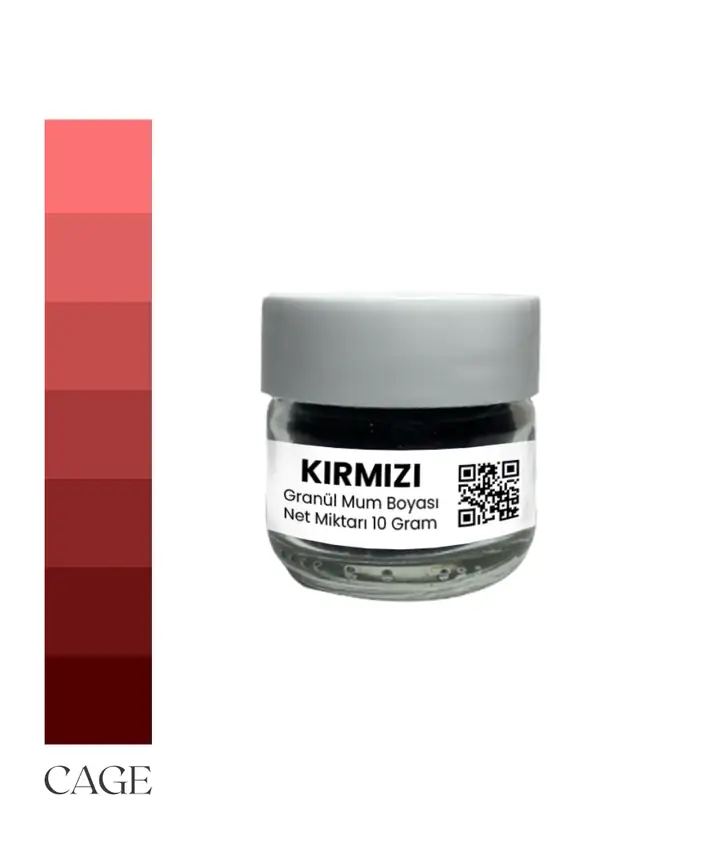 Red Candle Dye GranulesView
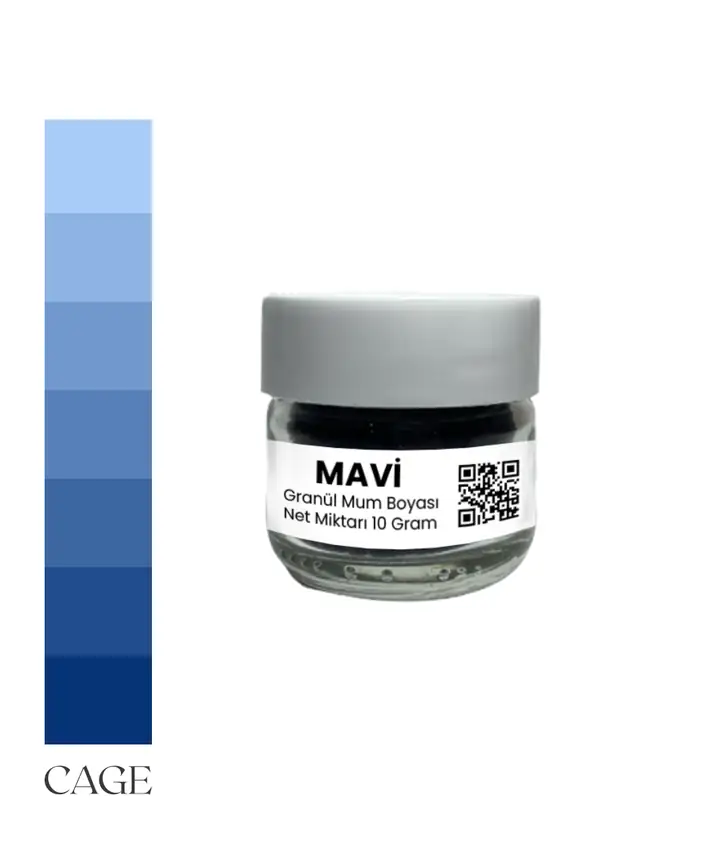 Blue Candle Dye GranulesView
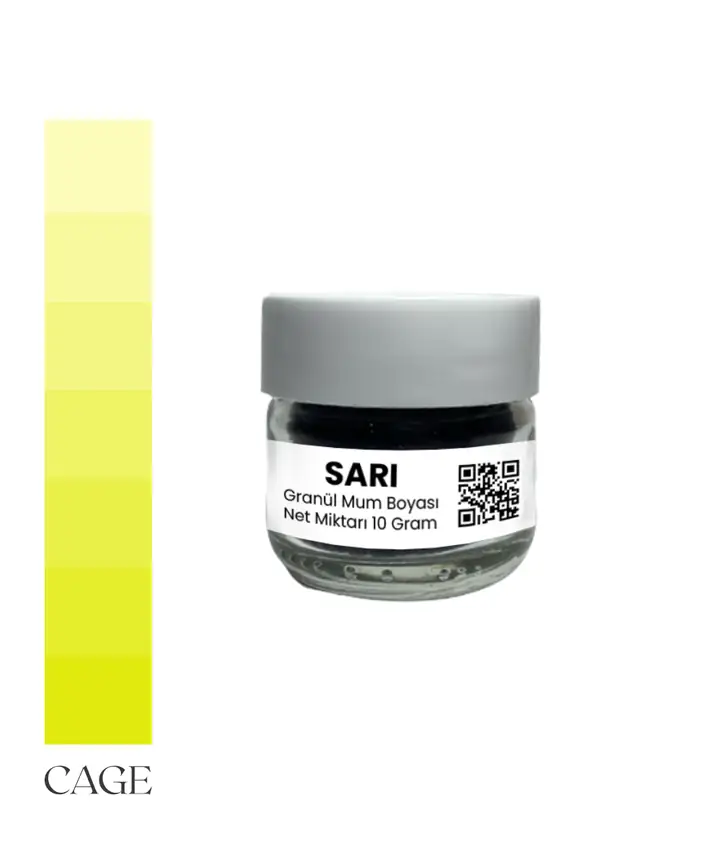 Yellow Candle Dye GranulesView
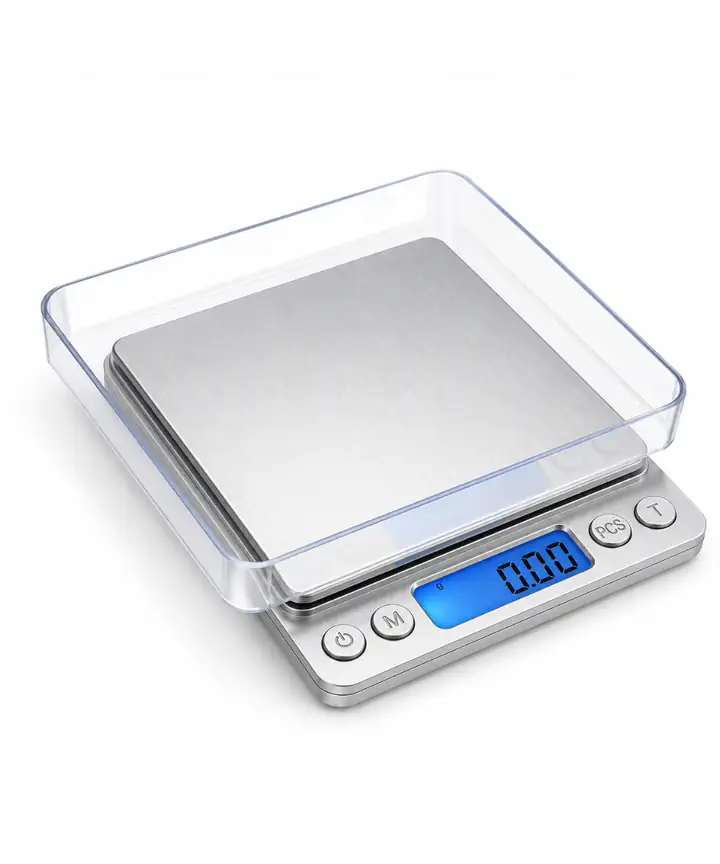 Mini Digital Precision Scale 0.1 g - 2 kgView
How do you use candle dye step by step?
The sequence is the same for every type of wax: weigh, melt, fully dissolve the dye, test, adjust and pour. Temperatures and pouring values vary by wax type; the candle pouring temperature chart shows the pouring range for each wax.
- 1
Weigh the wax and dye
Weigh the wax and calculate the dye you need: 10 g of dye granules colors roughly 10–15 kg of wax, so 0.7–1 g per 1 kg. For small amounts, use a scale accurate to 0.1 g.
- 2
Melt the wax
Melt the wax completely in a double boiler or wax melting pot. Monitor the temperature with a thermometer and use 80–85 °C as the range for adding fragrance oil and dye.
- 3
Add the dye and melt it completely
Add the granules to the melted wax and stir slowly until no granules are left settled on the bottom. Undissolved granules can cause specks in the candle and clog the wick.
- 4
Test on a white surface
Drip a few drops onto a white plate or paper towel and let them set. Melted wax looks darker than it does once set; adjust the shade by the hardened drop.
- 5
Adjust the shade little by little
To deepen the color, add a tiny bit more dye; to lighten it, add undyed wax. Note every addition in grams so you can repeat the color in your next batch.
- 6
Add the fragrance oil and pour
Add the fragrance oil at its ratio, stir slowly for 2 minutes and wait for the wax to cool to its pouring temperature. For dark, heavily dyed candles, check the wick with a test burn.
For every batch, write down the amount of wax, the grams of dye and the colors you used in a notebook. Using grams instead of drops or guesswork is the only way to hit the same shade again in the next pour.
What shades can you make by mixing colors?
Our store carries 11 colors of dye granules: red, yellow, blue, white, black, pink, purple, green, orange, turquoise and brown. You can mix these colors to build new shades. Always try a mix in a small portion and check it on a white surface.
| Mix | Expected shade | Tip |
|---|---|---|
| Red + yellow | Orange, coral | A yellow-heavy mix gives a lighter shade. |
| Red + blue | Purple, burgundy | Keep the blue low and you get a shade close to burgundy. |
| Yellow + blue | Green | Turquoise with yellow gives a more vivid green. |
| Any color + white | Pastel shade | White lightens the color and gives a more opaque look. |
| Any color + a tiny bit of black | Dark, shadowy shade | Add the black granule by granule; it takes over quickly. |
| Brown + orange | Earth, caramel | For fall and winter candles. |
These mixes are based on general color theory; the result varies with the wax's own color. Soy wax is creamy white, so shades come out softer. Paraffin carries clearer, more vivid color.
How do you color soy, paraffin and gel candles?
| Wax | How the color behaves | Watch out for |
|---|---|---|
| Paraffin | Carries vivid, clear color. | Colors stand out in molded candles. |
| Soy wax | Colors come out more pastel. | For a dark shade, increase the dye little by little; test the wick. |
| Gel candle | It's meant to stay clear; very little dye is enough. | Try it first with a single granule in a spoonful of gel. |
According to CandleScience, paraffin carries vivid colors well, while colors look more pastel in soy wax. In a gel candle the goal is to keep it clear; too much dye clouds the gel. For the steps on using our dye granules in gel, see the gel candle guide.
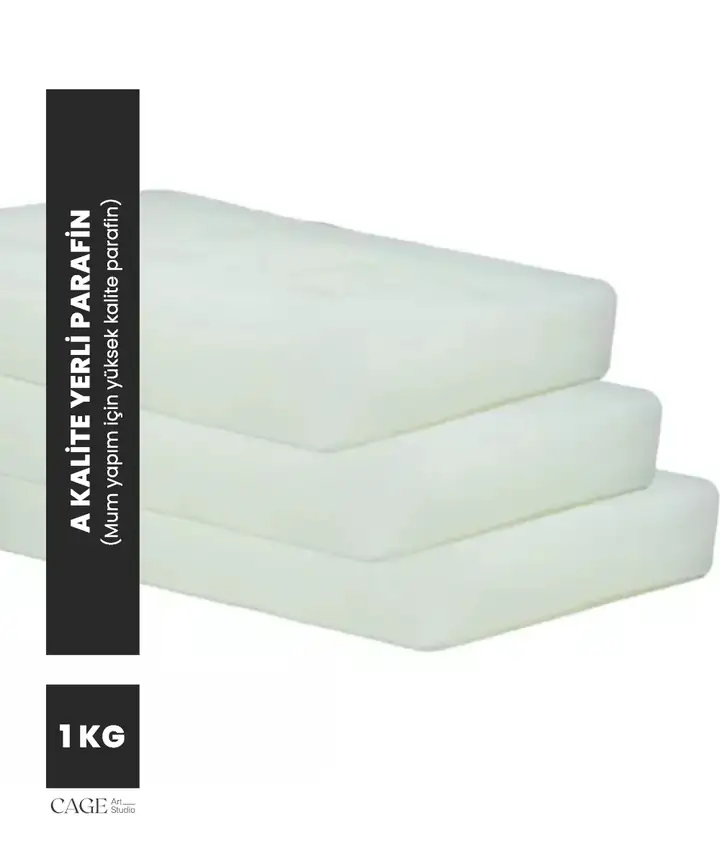 Domestic Paraffin Wax Grade A 1 kgView
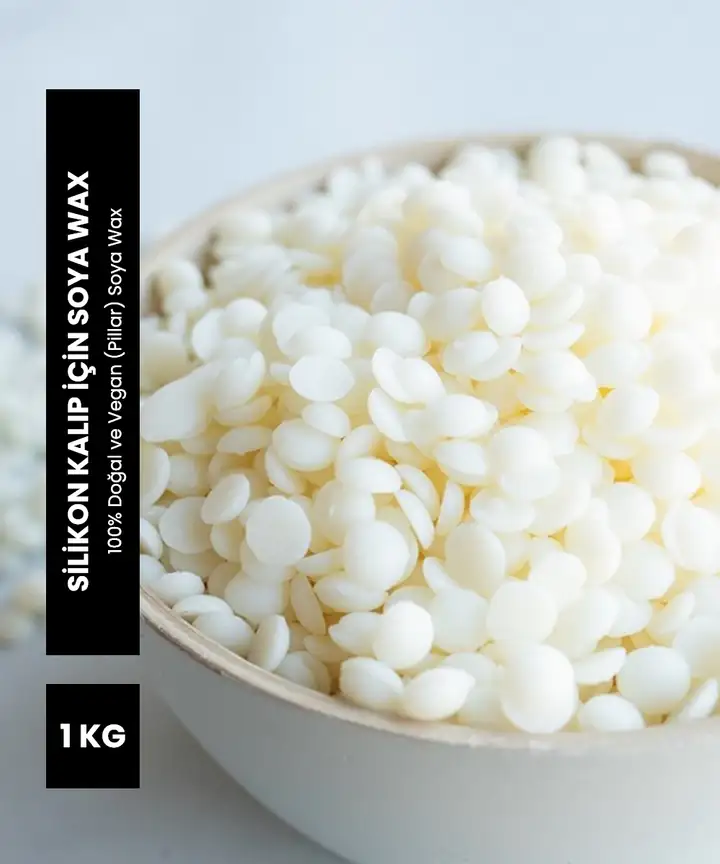 Pillar Soy Wax for Silicone Molds 1 kgView
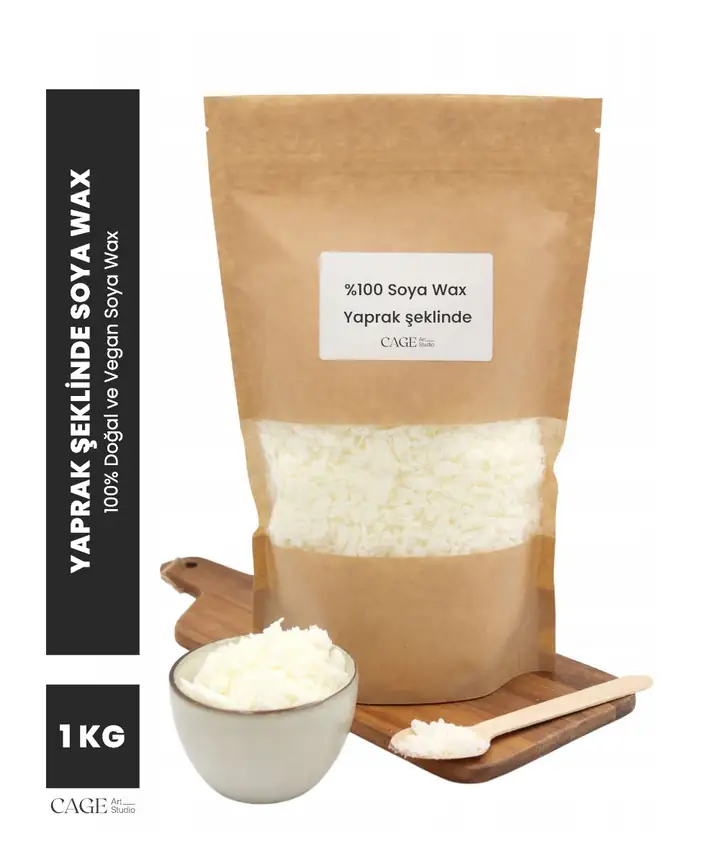 Golden Soya Wax 1 kg (Leaf Shape)View
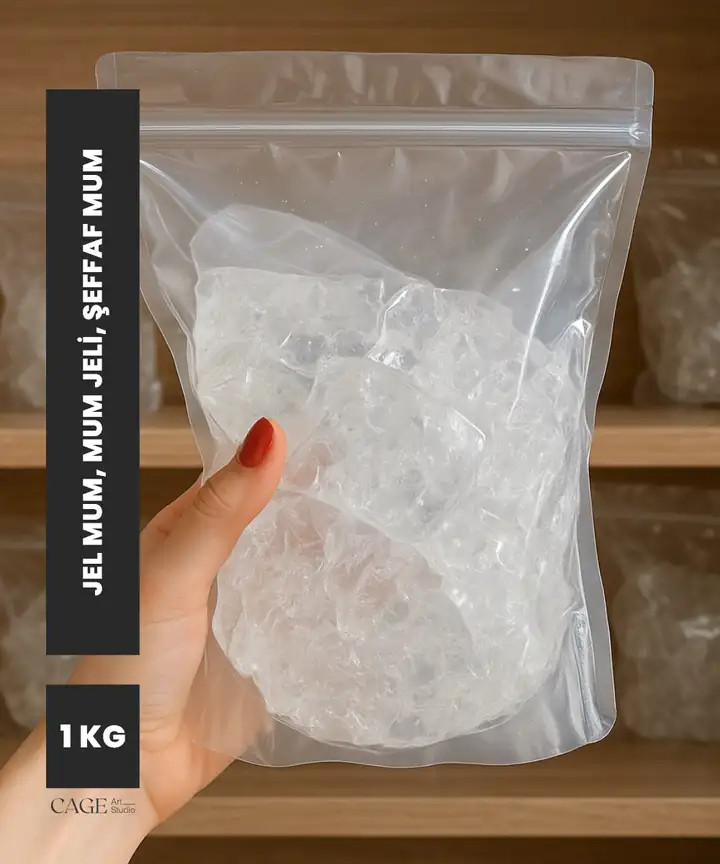 Gel Candle Wax 1 kgView
What problems come up with candle dye?
Color specks in the candle
Shade darker than expected
Wick clogs and the flame shrinks
Color fades
The yellow tone that develops over time in white and light-colored candles doesn't come from the dye; it usually comes from fragrances containing vanillin and from light. For the causes, see the why candles turn yellow post.
Can you use candle dye in stone powder and soap?
No. Our dye granules are oil-based and, according to the product description, are suitable for candle making only. Stone powder, plaster and concrete are materials mixed with water; oil-based candle dye doesn't dissolve in these mixes. To color these materials, use the methods in our how to color stone powder guide.
Because soap touches the skin, candle dye shouldn't be used in soap. We also don't recommend making candle dye at home from oil pastels or crayons: crayons contain pigment and can clog the wick in a burning candle. If you want a shimmery look, see our post on pearl powder and mica in candles.
Frequently asked questions
How do you use candle dye?
Add the dye granules to melted wax at around 80–85 °C and stir until fully dissolved. 0.7–1 g is enough for 1 kg of wax. Check the shade on a hardened sample dripped onto a white plate.
What does candle dye do?
Candle dye dissolves in the wax and colors the candle all the way through. According to the NCA, because candle dyes are combustible, they don't clog the wick when used in the right amount.
Can you use candle dye in stone powder?
No. Our dye granules are oil-based and suitable only for candle making; they don't dissolve in stone powder, plaster and concrete, which are mixed with water. Stone powder needs separate colorants.
Can you use candle dye in soap?
No. According to the product description, our candle dyes are suitable only for candle making. Soap is a product that touches the skin; use colorants made for soap.
Can I color a candle with oil pastels or crayons?
We don't recommend it. Crayons contain pigment; according to the NCA, pigments don't dissolve in wax, they stay suspended and can clog the wick when burned. Pigment is only for decorating the surface.
How do you color soy candles?
Soy wax is colored with dye granules in the same way. Colors come out more pastel in soy wax than in paraffin; if you want a dark shade, increase the dye little by little and check the wick with a test burn.
Choose the right supplies for your project
Compare the product descriptions and instructions, then get your test pour ready.