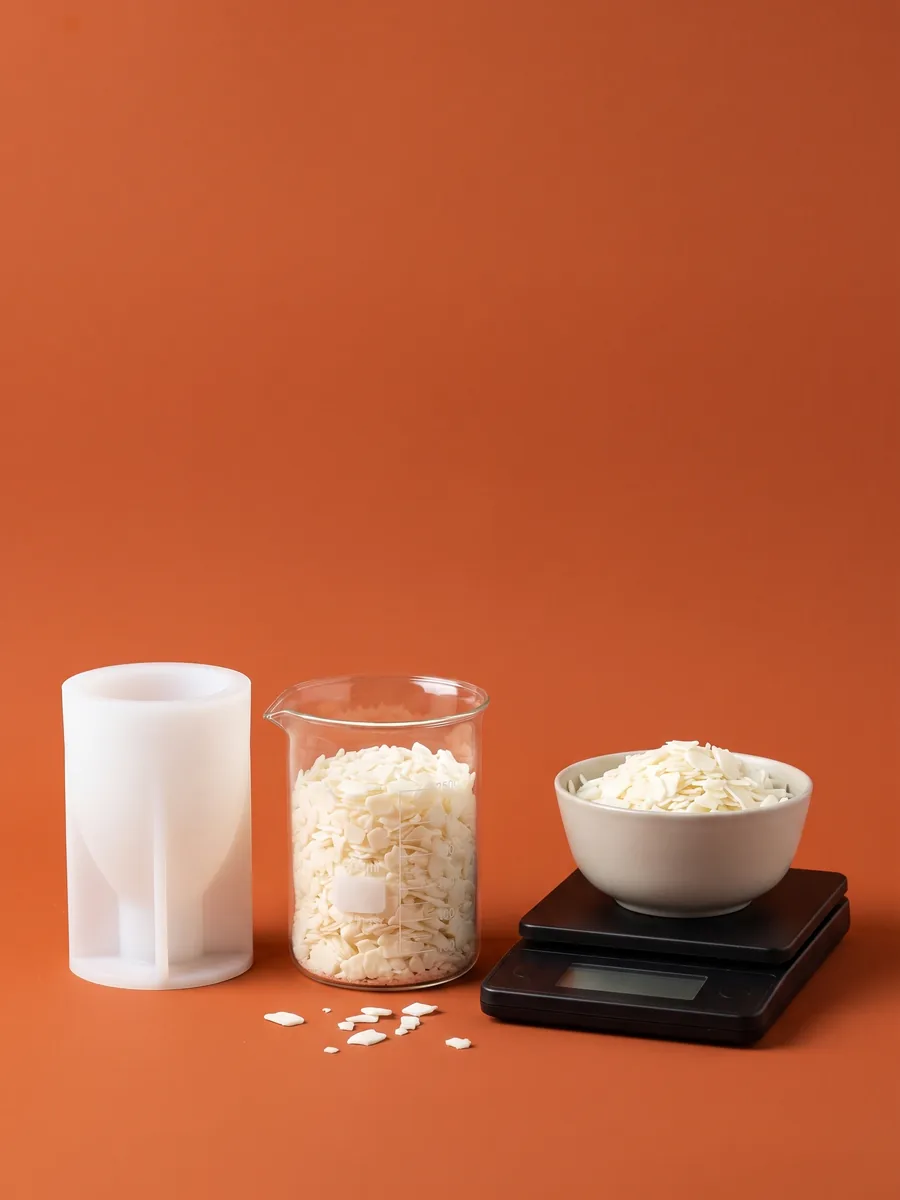
Why Do Candles Turn Yellow? Causes and Color Changes
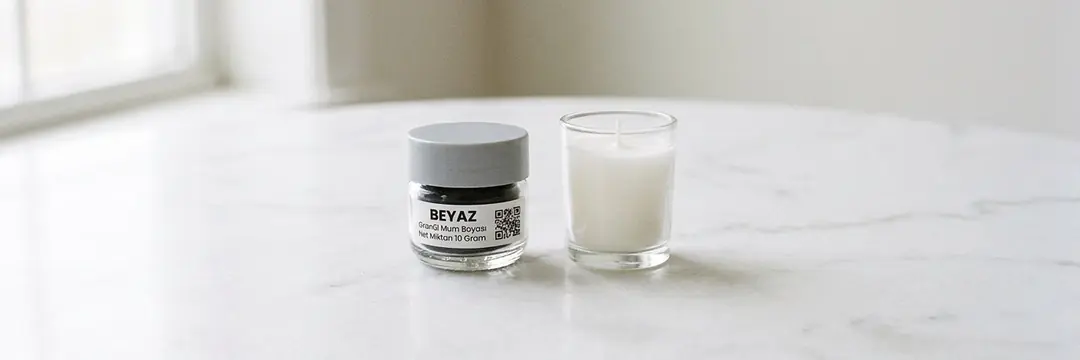
Candles can turn yellow because certain vanillin-containing fragrances, excessive heating or direct sunlight contribute to discoloration. Compare unscented and scented samples under identical conditions, considering the wax’s original color and temperature record. White crystalline frosting is different from yellowing; adding white dye does not remove the cause of the color change.
In short
- Vanillin and some fragrances can change wax color; the scent name alone is not enough information.
- Direct sunlight and excessively warm storage can affect color.
- Use the wax’s own heating instructions and a thermometer.
- White dye is not a protective additive that removes the cause of discoloration.
- Compare small scented and unscented samples under the same conditions; perform burn tests separately.
How do you distinguish yellowing from color fading?
| Symptom | Possible cause to investigate | First check |
|---|---|---|
| White candle turns cream or brown | Fragrance composition and heating history | Compare with an unscented sample. |
| The window-facing side differs | Light exposure | Store away from direct sunlight. |
| A colored candle becomes paler | Dye fading or surface appearance | Compare the first sample in the same light. |
| White crystals on soy wax | Frosting | Do not confuse with yellowing. |
| Darkening during melting | Possible overheating or dirty equipment | Check heating records and the pouring pot. |
| An older batch has a different shade | Different starting shade or storage | Compare batch details and conditions. |
Lighting can change perceived color too: a warm lamp may make white wax look yellow in a photo. Compare against the same background, lighting and angle. Do not treat every photographic difference as a chemical change. Keep a small reference sample from the first pour to help assess later batches.
The white crystalline appearance called frosting in soy wax is a separate surface issue. Separation from glass may also resemble a pale or wet patch at certain angles. For the general distinctions, see candle-making tips; this article focuses on yellowing and fading.
Can vanillin and candle fragrance cause yellowing?
Color changed after adding fragrance
The name Vanilla Candle Fragrance Oil does not reveal an exact vanillin percentage. Nor does a non-vanilla name guarantee no discoloration. If product or supplier details are missing, run a small wax trial. IFRA documents concern usage limits; they do not certify lasting whiteness.
Reducing fragrance or choosing another scent is a design decision; never exceed permitted loading to rescue the color. See candle fragrance and dye ratios for calculations. For scent-strength problems, also read why scented candles have weak scent throw.
Can overheating change candle color?
Wax darkened while heating
No single melting or pouring temperature suits all waxes. Record fragrance addition, heating limit and pouring temperature separately. Repeated melting to lighten the color is not a solution. See the wax melting guide for the process and the pouring temperature table for comparison.
How do sunlight and storage affect candles?
A display candle changed color
Amber glass may reduce direct light exposure, but does not guarantee full UV protection or no yellowing. A lid is not a sun shield either. See choosing candle jars for containers and presentation. Store fully cooled candles in clean, suitable packaging.
Why do soy wax and older wax look different?
The same fragrance gave different shades in different waxes
Age alone does not prove that old wax must yellow. Check packaging condition, the manufacturer’s storage instructions and any shelf-life details. Mixing leftover wax with unidentified scraps makes causes harder to trace. Consult the supplier if raw material lacks product information or has an unusual smell or appearance.
How do you make test pours to investigate yellowing?
- 1
Record the starting point
Record wax and fragrance names, batches, quantities and starting colors. Photograph under the same light and check the storage instructions on the packaging.
- 2
Set aside comparison samples
Make small samples from the same wax, one unscented and one with your fragrance. Keep loading within the product’s permitted limit and do not change other variables simultaneously.
- 3
Measure the temperature
Use the same equipment and product instructions. Record heating and pouring temperatures with a thermometer; do not repeatedly heat a sample just to lighten it.
- 4
Keep under the same conditions
Store samples together away from direct sun and excessive heat. Compare in the same light once fully cool and throughout curing; one photo cannot establish a definite cause.
- 5
Validate the recipe separately
Record the recipe that gives an acceptable color. Color inspection does not replace burn testing; assess the wax, fragrance, dye and wick combination separately.
Changing wax, fragrance and dye at once makes it difficult to identify the cause. Narrow the question: did the change appear after fragrance addition, light exposure or heating? Label samples clearly and maintain equal conditions. Do not generalize one trial to every fragrance.
Why do gel candles turn yellow?
For yellowing gel candles, first check heating history and fragrance compatibility with gel. Do not transfer soy-wax temperatures or additives to gel. Lost clarity, bubbles and color changes are different symptoms. A fresh small control sample made to the product’s instructions can aid comparison.
White dye will not repair discoloration while preserving gel transparency. Do not try to lighten gel by reheating. Find temperature, dye and fragrance compatibility details in the gel candle guide; we do not propose a separate gel recipe here.
Does white dye prevent yellowing?
White or cream coloring can change appearance, but does not remove the cause of yellowing. Add dye only as instructed and retest the new recipe’s burn. Instead of promising a non-yellowing white candle, describe the wax-fragrance combination tested, storage conditions and observed result.
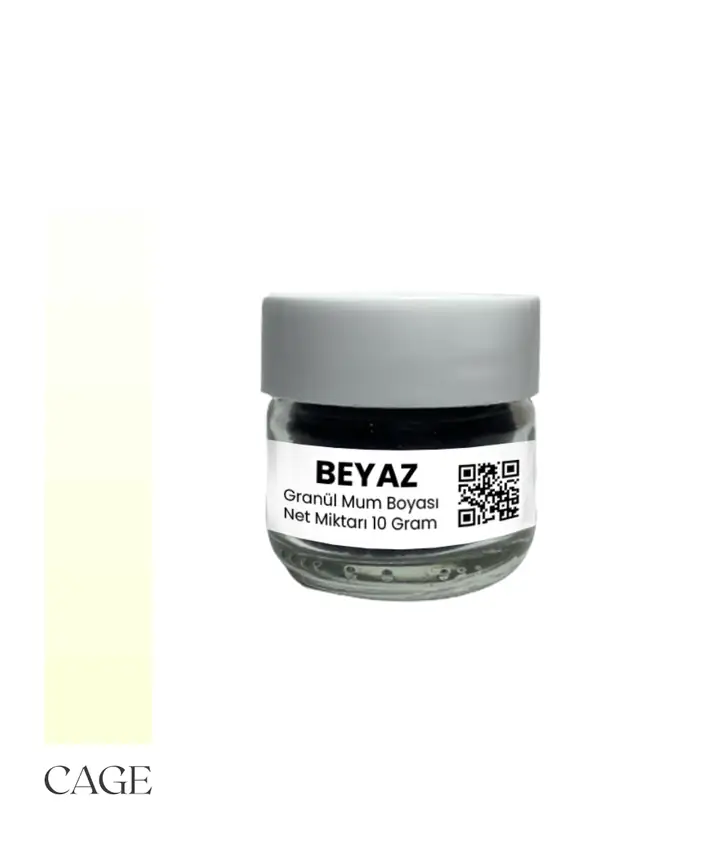 White Candle Dye GranulesView
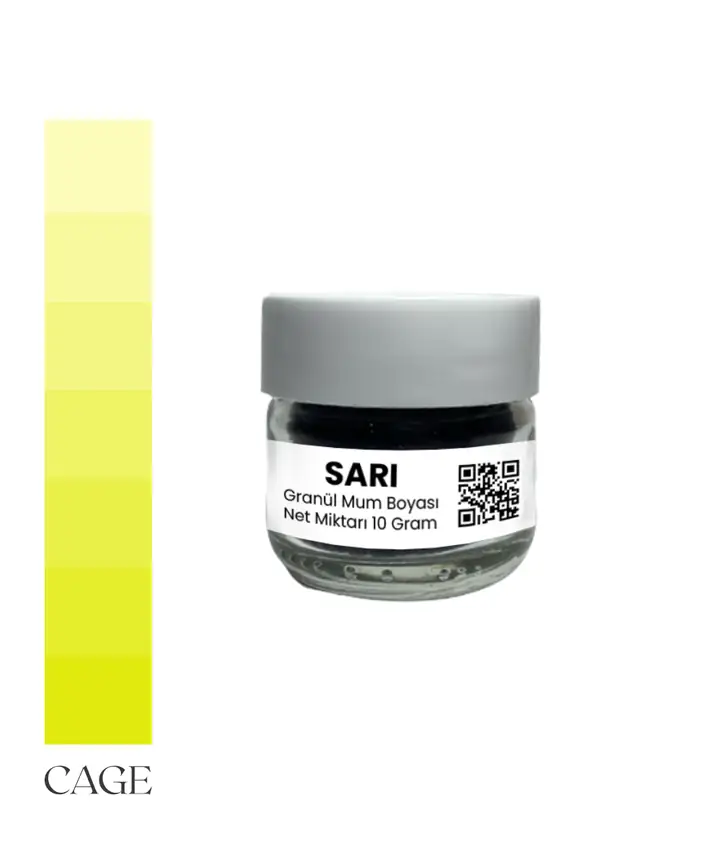 Yellow Candle Dye GranulesView
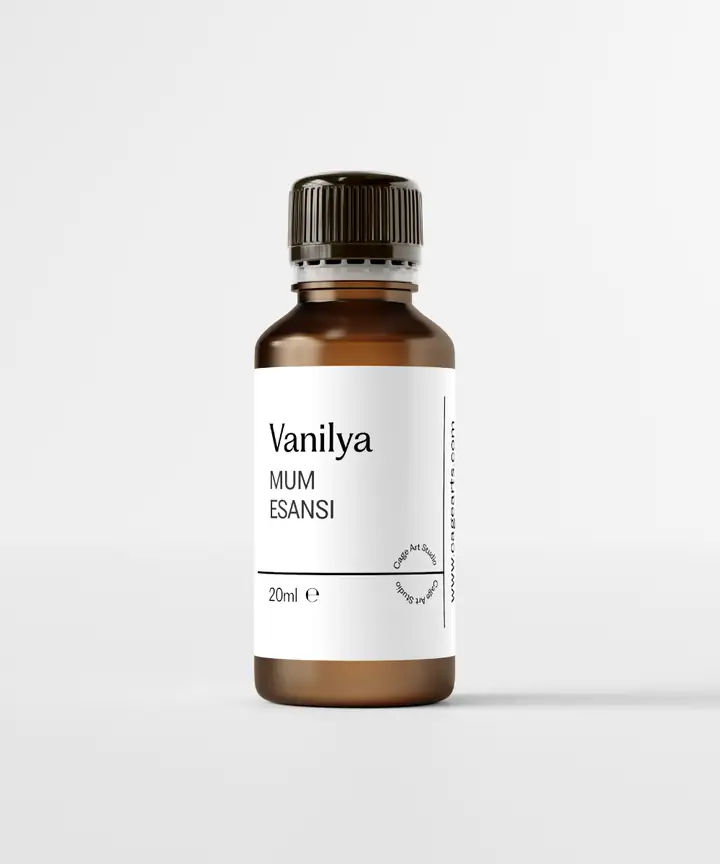 Vanilla Candle Fragrance OilView
 Lavender Candle Fragrance OilView
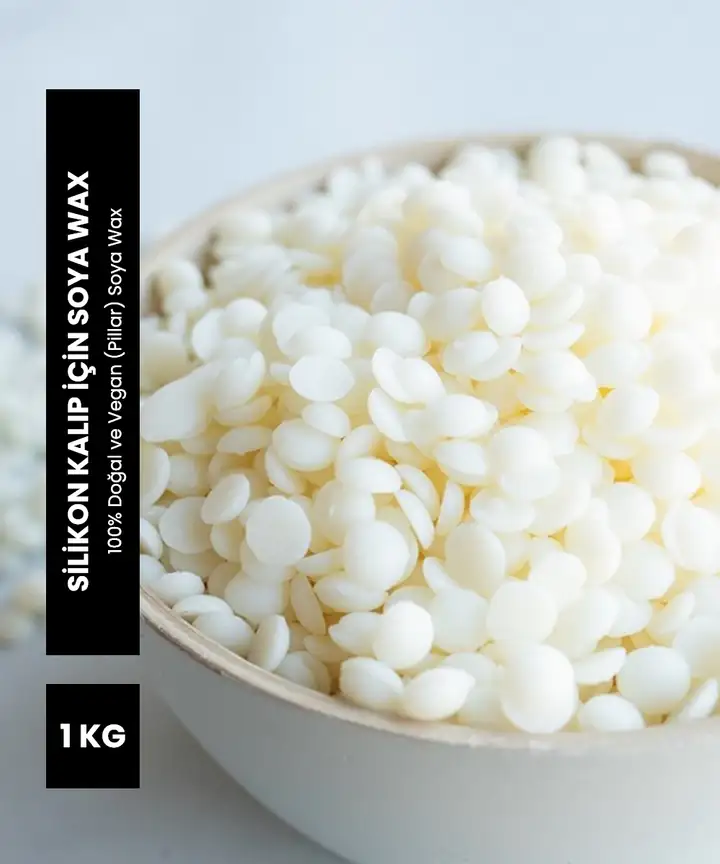 Pillar Soy Wax for Silicone Molds 1 kgView
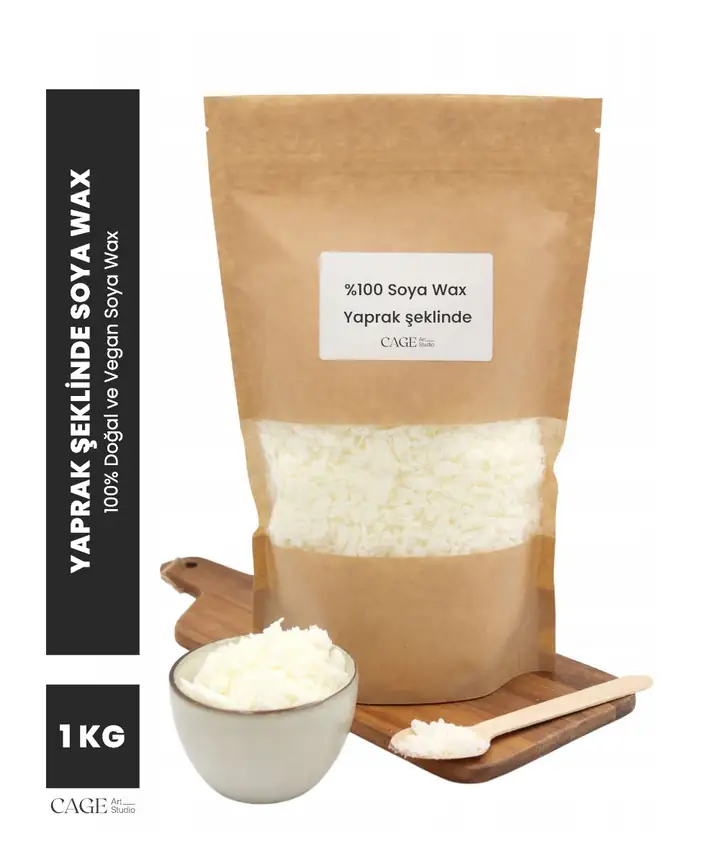 Golden Soya Wax 1 kg (Leaf Shape)View
What are common questions about candle yellowing?
Why do white candles turn yellow?
Some vanillin-containing fragrances, light and overheating can contribute to discoloration. First compare unscented wax and a scented sample of the same recipe under equal conditions.
Is soy candle yellowing normal?
Soy wax’s initial tone and response to fragrance depend on its formula. Yellowing differs from white crystalline frosting; color alone cannot establish quality or burn safety.
Can you make a white candle that never yellows?
We cannot guarantee lasting whiteness for every fragrance, wax and storage condition. Choose a compatible fragrance, make a small test pour and protect the candle from light and excessive heat.
Does every vanilla fragrance yellow candles?
The scent name alone is insufficient. Check vanillin information and the supplier’s discoloration notes, then test with your chosen wax to establish the result.
Is remelting enough to fix yellow gel candles?
We do not recommend reheating to correct color. Check gel instructions, heating history and fragrance compatibility; do not use an overheated or suspect batch.
Why does the wax plant turn yellow?
This search often concerns the leaves of the living Hoya plant. This guide covers burning candles and wax, not plant care.
Choose your recipe with a small trial
Compare wax, candle dye and fragrance options for your intended use.