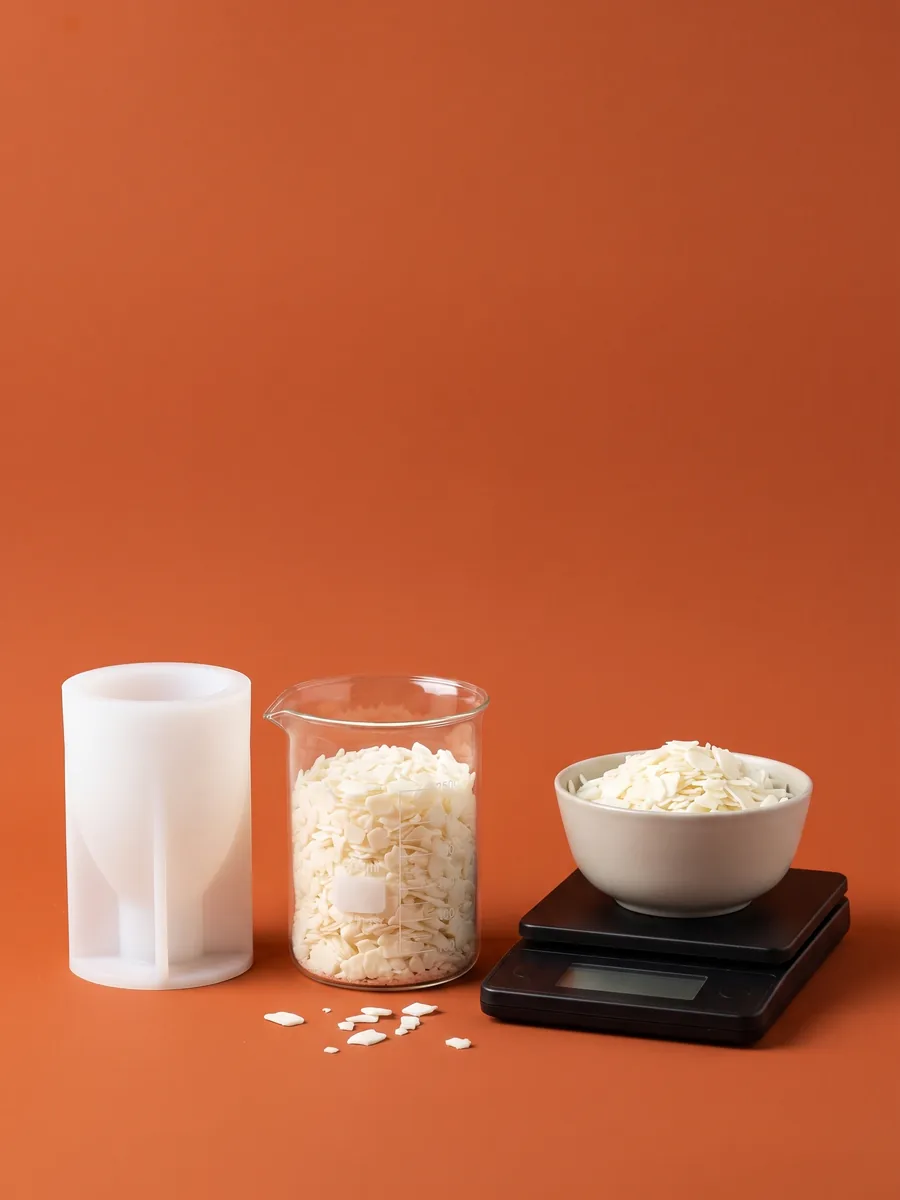
How to Make Candles at Home: A Step-by-Step Beginner's Guide
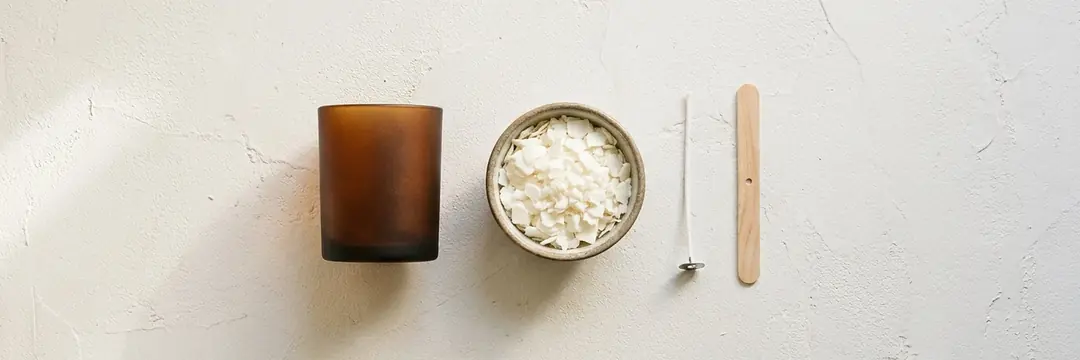
The answer to "how do you make a candle?" starts with three things: wax, a wick and a container or mold. Making candles at home does not take a workshop. Choose the right wax, stick to a few temperature values, and you can pour your first candle in a single evening. This guide introduces the three candle types, walks you through your first project gram by gram, and points you to the detailed guide for each topic.
In short
- The easiest first candle is soy wax in a glass: no unmolding, and the temperatures are low.
- Heat container soy wax to 80–85 °C, add the fragrance oil after taking the pot off the heat, and pour at 55–60 °C.
- Fragrance oil ratio is 6–10%: for a 150 g glass at 8%, that is 139 g wax + 11 g fragrance oil.
- Silicone molds need a hard wax: Pillar Soy Wax is poured at 55–65 °C, and 10% stearic acid is added to paraffin.
- Gel candle wax melts at 90–95 °C and needs thick glass and a low fragrance oil ratio (3–5%).
- Let the candle cure for at least 24–48 hours; with soy wax, the strongest scent comes after 1–2 weeks.
In this guide
- What is a candle made of, and what do you need?
- Three basic candle types: which should you start with?
- Which wax for which job: soy or paraffin?
- Your first project: a 150 g jar candle, step by step
- At what temperature do you melt and pour candle wax?
- Silicone molds and gel candle wax: the other two paths
- How long does a candle take to set, and when can you burn it?
- What to watch out for when making candles at home
- Detailed guides: continue here
- Frequently asked questions
What is a candle made of, and what do you need?
A candle is made of a fuel (wax) that melts with heat and solidifies as it cools, and a wick that brings that fuel to the flame. The wax types used most at home are plant-based soy wax, petroleum-based paraffin and clear gel candle wax. Candle fragrance oil adds scent and candle dye adds color. The basic list to get started is short:
Soft soy wax for a glass; hard Pillar Soy Wax or paraffin for a silicone mold.
A pre-tabbed cotton wick or a wooden wick for a glass, a pre-waxed spool wick for a mold.
A heat-resistant glass, jar or silicone candle mold.
You will not get consistent results without measuring temperature and weight, so you need both from day one.
The essentials, the nice-to-haves and how much you need for a first batch are covered in detail in the Candle Making Supplies guide.
If you want to start with a kit, compare contents and extra equipment in the candle making kit guide.
Three basic candle types: which should you start with?
Most homemade candles fall into one of three groups. Each needs a different wax and a different technique. Rather than trying all of them at once, pick one and get it right.
The wax sets inside the container and burns in it. The most common form of scented candle.
- Wax
- Golden, Natural, American soy
- Pour
- 55–60 °C
- Difficulty
- Easy
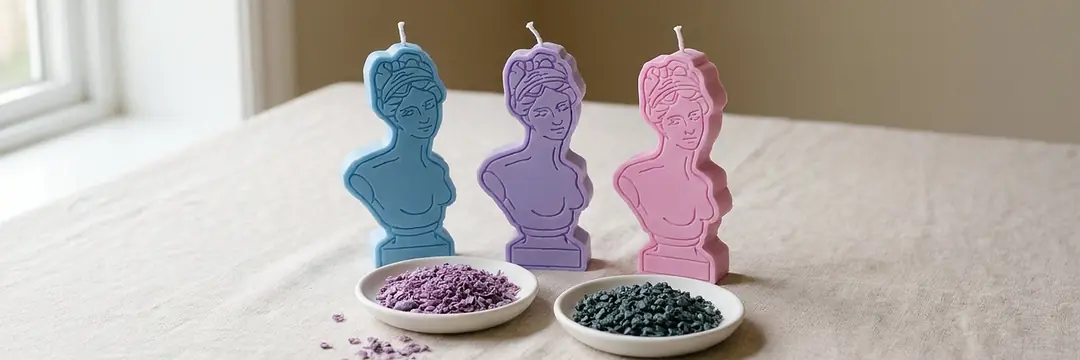
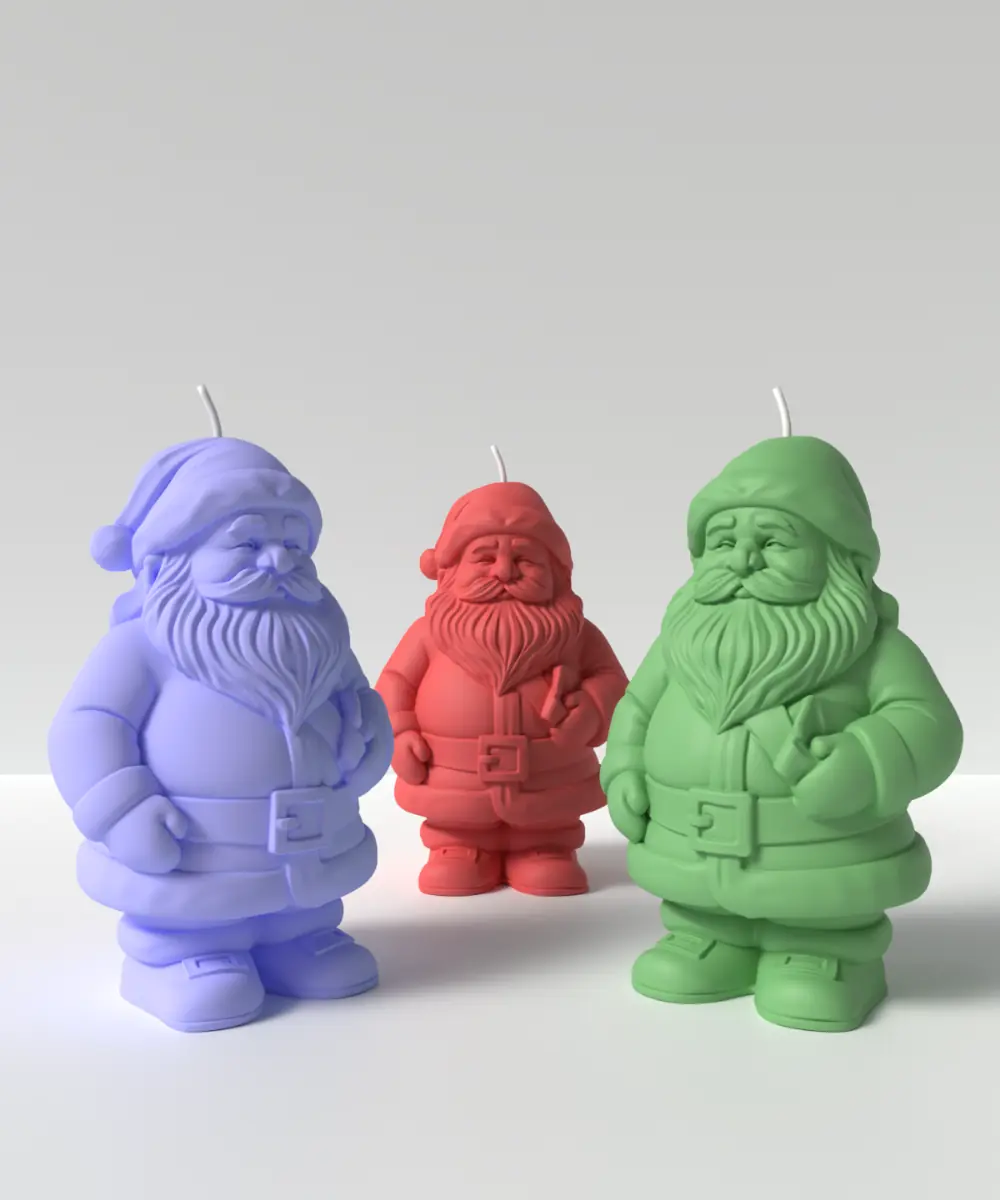
A candle that comes out of a mold stands on its own: bubble candles, sculptures, pillars, Christmas figures.
- Wax
- Pillar soy, paraffin
- Pour
- 55–65 °C (Pillar)
- Difficulty
- Medium
A clear look; non-flammable decorations such as glass stones or seashells go inside.
- Raw material
- Gel candle wax
- Melting
- 90–95 °C
- Difficulty
- Needs care
Make your first candle in a glass with soy wax. You learn the order of melting, adding fragrance oil and pouring without dealing with unmolding, wick holes or bubbles. Move on to a silicone mold for your second project.
Which wax for which job: soy or paraffin?
For container candles, use soy wax: leaf-shaped Golden Soya Wax is easy to weigh, works at low temperatures and carries scent well. Paraffin is hard and economical and gives a smooth surface in a mold; on the other hand, it needs ventilation while melting, and for mold candles it needs stearic acid. The jobs our raw materials suit best:
| Raw material | Best for | Good to know |
|---|---|---|
| Golden Soya Wax | Glass, jar and aromatherapy candles | Melts at ~51–55 °C, fragrance oil saturation ~8% |
| Natural Soy Wax (block shape) | Container candles | Melts at 65–70 °C, light natural soy scent |
| American Soy Wax | Container and pillar candles | Creamy surface, carries scent well |
| Soy Wax for Silicone Molds (Pillar) | Silicone molds and pillar candles | Pour at 55–65 °C |
| Boncuk Parafin | Mold candles, hard candles | Melts at 54–70 °C, working temperature ~70 °C |
| Gel Candle Wax | Clear container candles with embedded objects | Melts at 90–95 °C |
If you pour soy wax made for glass into a silicone mold, the candle stays soft, sticks to the mold and cannot hold its shape. For a detailed comparison, see our posts on soy wax types and the paraffin guide.
Your first project: a 150 g jar candle, step by step
For the first project we chose a glass that holds 150 g of wax: the Frosted Amber Candle Glass, with an upper inner diameter of 6.4 cm. Quantities for 150 g in total with 8% fragrance oil:
The math: divide the total weight by 1.08 to get the grams of wax (150 ÷ 1.08 ≈ 139); the rest is fragrance oil. If you use a different container, find out how many grams of wax it holds with our Calculator page.
- 1
Prepare your workspace
Lay paper on the counter and wipe and dry the glass. Keep the thermometer, scale and stirring rod within reach, and keep children and pets out of the kitchen.
- 2
Secure the wick
Stick a wick sticker to the base of the pre-tabbed wick and press it into the exact center of the glass.
- 3
Weigh and melt the wax
Put 139 g of Golden Soya Wax in the pot and set the pot in boiling water. Heat to 80–85 °C, stirring now and then.
- 4
Add dye (optional)
If you want color, drop in a few dye granules and stir until fully melted. 10 g of dye colors 10–15 kg of wax, so very little is enough for 139 g.
- 5
Add the fragrance oil
Take the pot off the heat, weigh in 11 g of fragrance oil, and stir slowly for 2 minutes without making foam.
- 6
Wait for the pouring temperature
When the thermometer reads 55–60 °C, pour the wax slowly down the side of the glass.
- 7
Center the wick
Thread the wick through the middle of the wooden wick holder and set the holder across the mouth of the glass.
- 8
Cool slowly
Leave the glass on a flat surface in a draft-free room at around 20–24 °C. Do not put it in the refrigerator.
- 9
Trim the wick and let it cure
Once the candle has fully set, trim the wick to 0.5 cm above the surface and let the candle cure before burning.
Heat the surface with a hair dryer for a few seconds; a thin layer melts and sets smooth. For other problems, see the 12 Common Problems and Solutions guide.
The long version of this project, with container choice and wick checks, is in the How to Make Soy Candles guide. Ways to strengthen the scent are in How to Make Scented Candles.
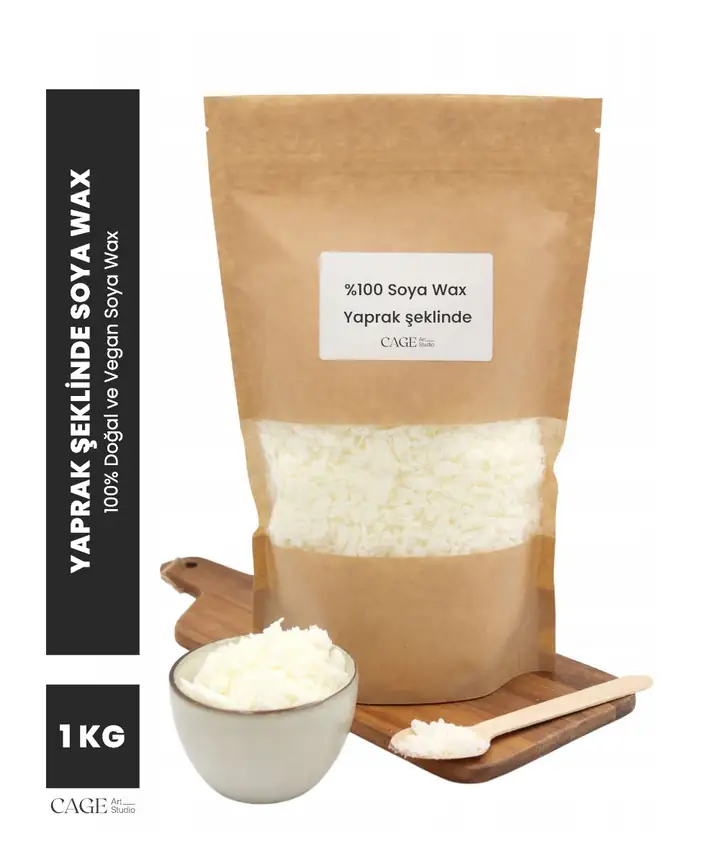 Golden Soya Wax 1 Kg (Yaprak şeklinde)View
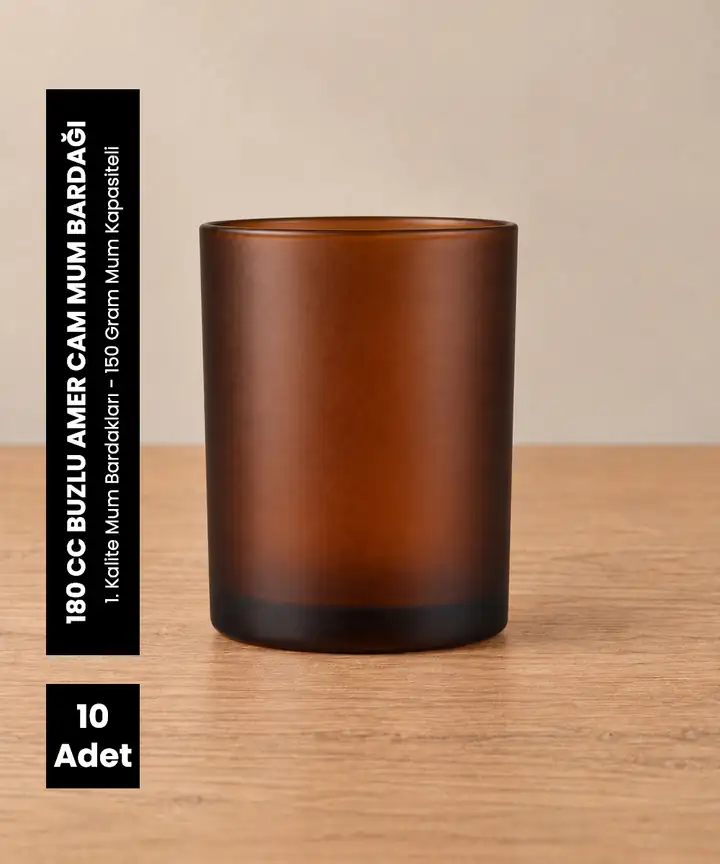 Buzlu Amber Cam Mum Bardağı – 150 Gram Mum KapasitesiView
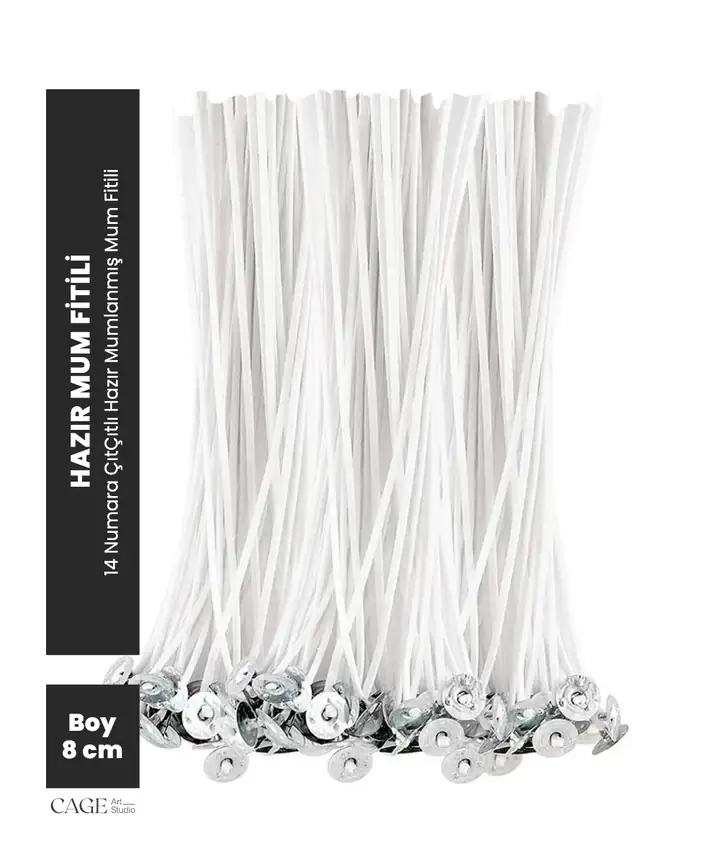 Hazır Çıtçıtlı Mum Fitili 8 CmView
 Lavanta Mum EsansıView
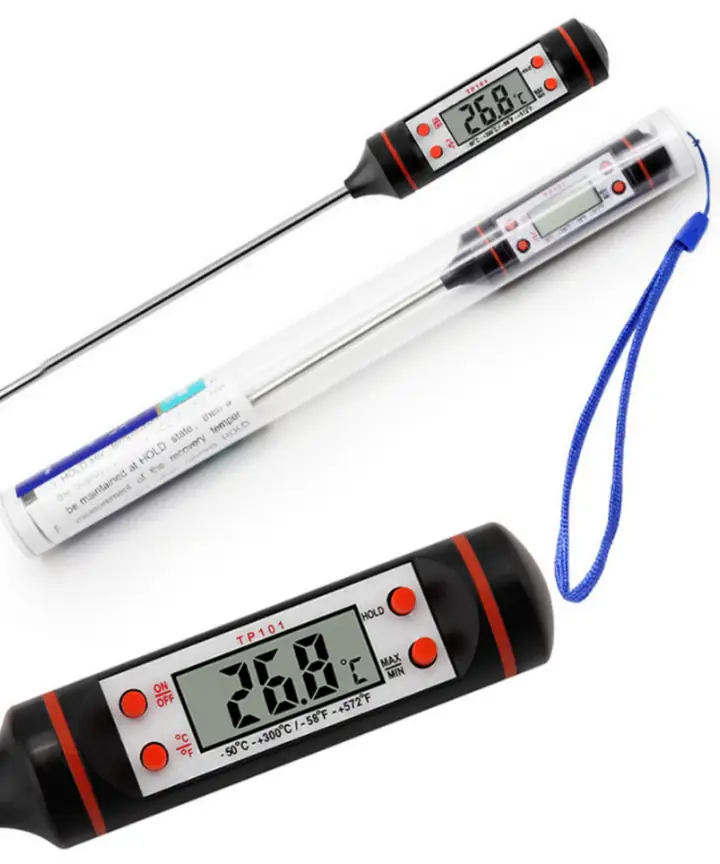 Dijital TermometreView
At what temperature do you melt and pour candle wax?
Making candles without a thermometer is like baking a cake without a recipe: sometimes it works, usually it does not. Every wax has its own melting and pouring range, and fragrance oil and dye are added at specific temperatures too.
| Stage | Container soy | Pillar soy (mold) | Paraffin (mold) |
|---|---|---|---|
| Melting | 80–85 °C | Until fully melted | Melts at 54–70 °C |
| Fragrance oil and dye | 80–85 °C, off the heat | Once melted, off the heat | Once melted, off the heat |
| Pouring | 55–60 °C | 55–65 °C | About 70 °C |
| Curing | At least 24–48 hours, ideally 1–2 weeks | At least 24 hours | 1–5 days |
The answers to questions like why these temperatures, and whether to use a pot or a double boiler, are in the How to Melt Candle Wax guide; fragrance oil and dye tables by wax weight are on the Candle Fragrance Oil and Dye Ratio page.
Silicone molds and gel candle wax: the other two paths
Shaped candles with a silicone mold
In a mold candle, the wax takes the shape of the mold rather than the container, then comes out and stands on its own. That is why it needs a hard wax: Pillar Soy Wax or paraffin with stearic acid. The wick is threaded through the hole at the top of the mold and centered from above with a holder.
- 1
Insert the wick
Pass the thin pre-waxed wick through the hole in the mold; if the hole leaks, seal it from the outside with a small piece of tape.
- 2
Level the mold
Stand the mold on a flat surface so the wick end is not crushed; support large molds with a box.
- 3
Pour at the right temperature
Pour Pillar Soy Wax slowly at 55–65 °C; if the room is cold, you can go up to 70 °C. If you use paraffin, add 100 g of stearic acid per 1 kg.
- 4
Unmold once fully cooled
A candle pulled out before it cools breaks. Gently flex the mold to release the candle, and trim the wick to 0.5 cm.
Find out how many grams of wax a mold holds with the silicone mold wax calculator; for example, according to the product info, the Mini Bubble Candle Mold holds about 47 g. All the details are in the Making Candles with Silicone Molds guide.
Gel candles
Gel candle wax is a clear, petroleum-derived, mineral-oil-based raw material that melts at about 90–95 °C. That is why thick, heat-resistant glass is used instead of thin glass. Only non-flammable decorations go inside: glass stones, seashells, ceramic. Dried flowers and wood can catch fire inside the gel.
The fragrance oil ratio in gel is low (3–5% in medium-density gel); the fragrance oil must be gel-compatible and have a flash point of at least 77 °C. Even a single drop of water mixed into the gel while melting causes cloudiness. All the steps are in the Gel Candle guide.
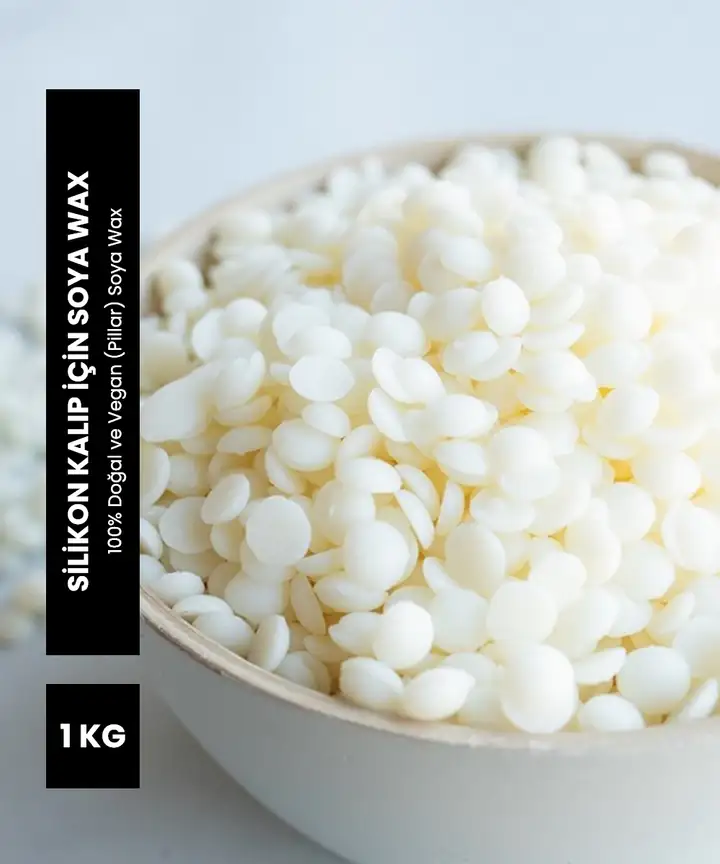 Silikon Kalıp İçin Soya Wax 1 Kg (Pillar Soy Wax)View
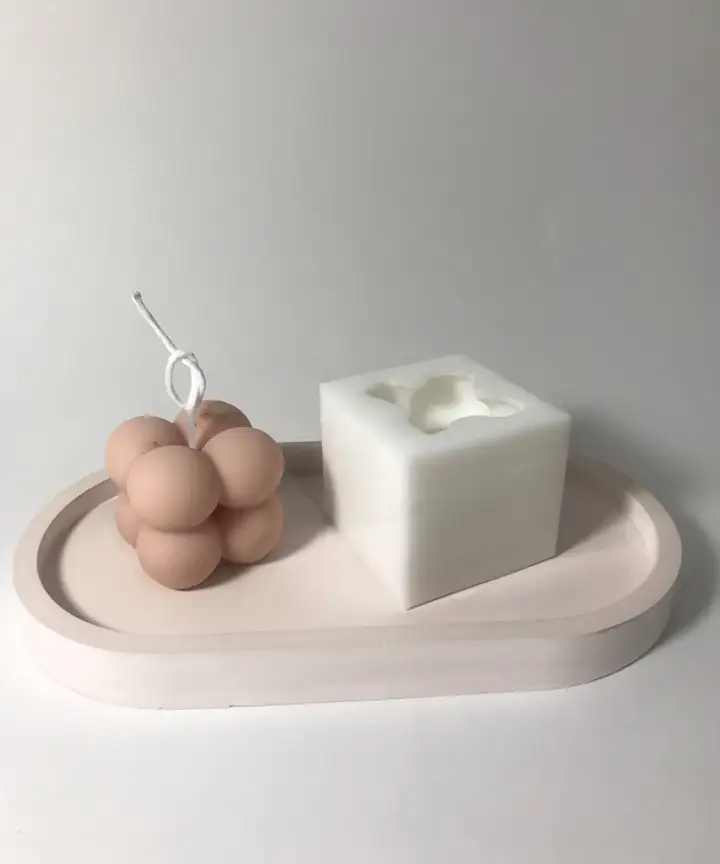 Mini Bubble Mum silikon KalıbıView
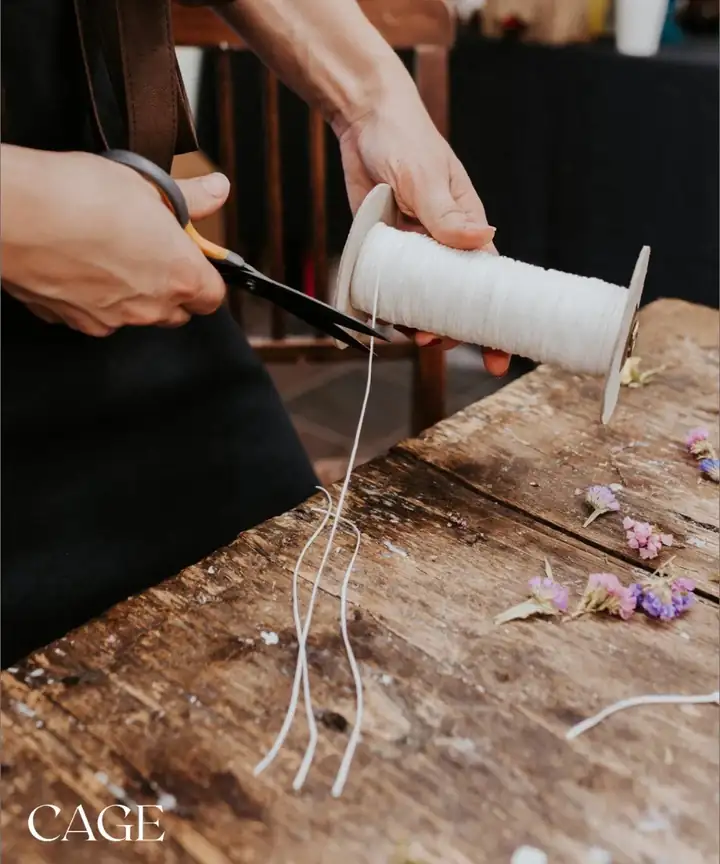 Mumlanmış İnce Mum Fitili 10 MetreView
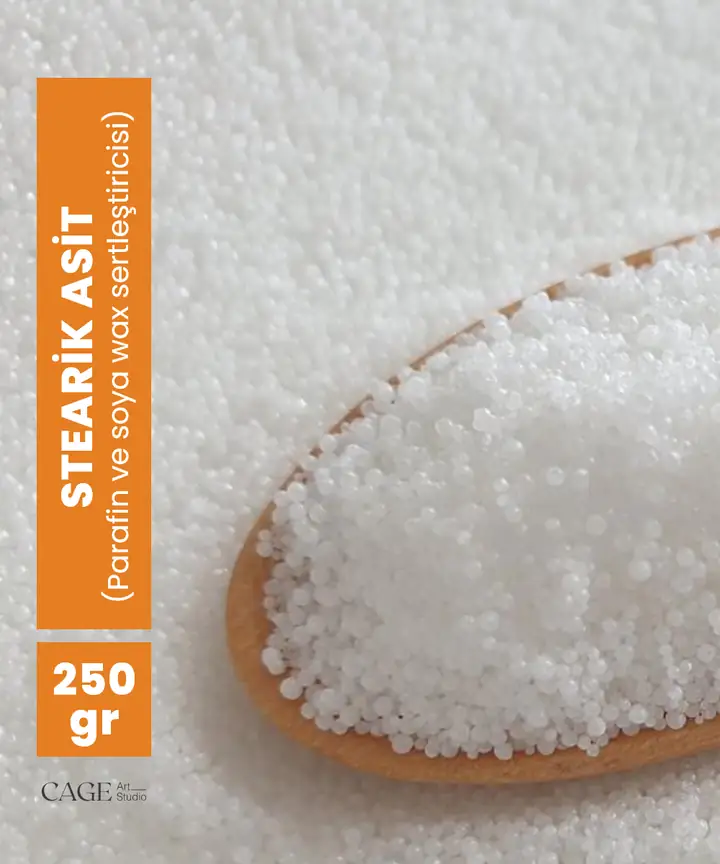 Stearik Asit - Starin 250 grView
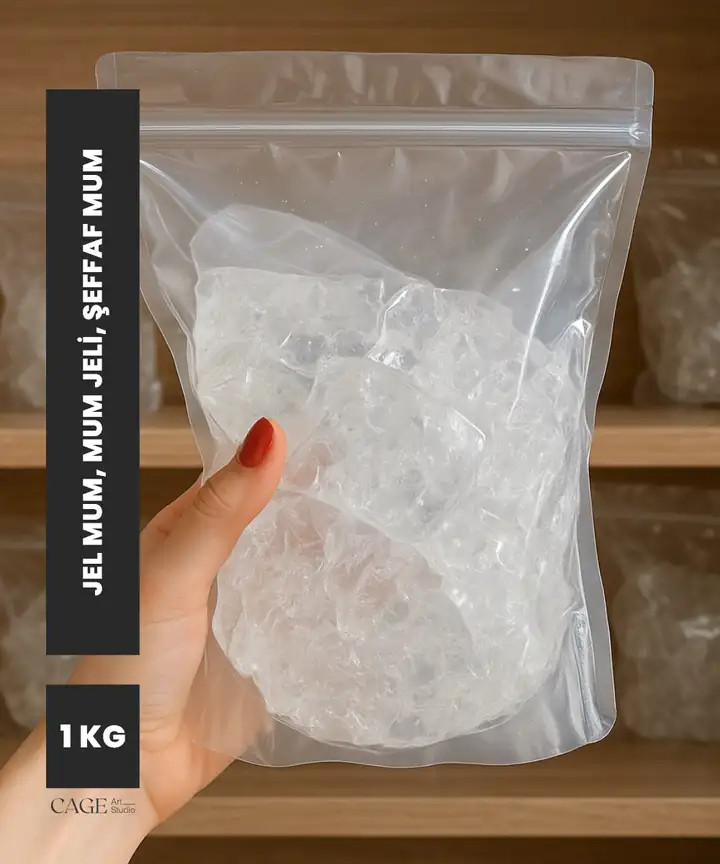 Jel Mum 1 KgView
How long does a candle take to set, and when can you burn it?
The surface of a container candle hardens within a few hours, but the inside keeps settling. Do not move the candle or close its lid for the first 24 hours. A candle can burn the moment it sets, but you have to wait for a strong scent.
The first burn decides the candle's life. Burn it until the melt pool reaches the edge of the container: roughly 1 hour for every 2.5 cm of diameter. For our 6.4 cm glass, that is about 2.5 hours. A candle put out early gets a "memory" and tunnels. Wick trimming, extinguishing and safe burning rules are in the How to Burn a Candle guide.
What to watch out for when making candles at home
Candle making involves heat and flammable material. The four rules below protect both you and your kitchen:
Melt wax in a double boiler or in a wax melting pot with adjustable temperature; do not put it directly in a saucepan.
Do not leave heating wax unattended. If the wax catches fire, never pour water on it; turn off the heat and cover the pot with a lid.
Open a window when melting paraffin and do not breathe the fumes directly.
Use a separate pot and spoon for candles so that fragrance oil and dye residue does not transfer to your kitchen utensils.
We cover questions like whether making candles at home is harmful and what the known risks of burning scented candles are, with sources, in our Are Scented Candles Harmful? post.
Can you make new candles from old ones?
Yes, but the result is hard to predict: residue from different waxes, fragrance oils and dyes burns unpredictably. Pick out the old wick and sooty bits, melt the leftovers in a double boiler, use a new wick, and do not mix gel candle wax with regular wax. Fragrance oil that has been melted many times loses its scent, so the scent can come out weak.
Detailed guides: continue here
The details of each topic are in its own guide:
Core techniques and raw materials
Scent, problems and use
Molds and projects
If you would rather read it all in one place, the Candle Making E-Book puts 12 recipes and a troubleshooting section at your fingertips.
Frequently asked questions
How do you make a candle, and what is the easiest method?
The easiest is soy wax in a glass: heat the soy wax to 80–85 °C, add the fragrance oil after taking it off the heat, and pour into a wicked glass at 55–60 °C. Since there is no unmolding, the first attempt usually succeeds.
What do you need to make a candle?
Wax, a wick, a container or mold, a digital thermometer, a scale and a melting pot are essential; fragrance oil and dye are optional. A saucepan from your kitchen is enough for the double boiler.
Soy wax or paraffin for a first candle?
Soy wax such as Golden Soya Wax is easier for glass or jar candles. For a silicone mold, choose Pillar Soy Wax or paraffin with 10% stearic acid.
At what temperature do you melt and pour candle wax?
Container soy wax is heated to 80–85 °C and poured at 55–60 °C. Pillar Soy Wax is usually poured at 55–65 °C (up to 70 °C if the room is cold) and paraffin pellets at about 70 °C; gel candle wax melts at 90–95 °C.
When do you add fragrance oil and dye?
Dye goes in once the wax has fully melted; fragrance oil goes in at 80–85 °C after the pot comes off the heat. Stir slowly for 2 minutes after adding the fragrance oil.
How long does a candle take to set, and when can you burn it?
The surface sets in a few hours; do not move the candle for the first 24 hours. Wait at least 24–48 hours for a test burn, and 1–2 weeks for the strongest scent in soy wax.
How do you secure the wick?
In a glass, stick a wick sticker to the base of the pre-tabbed wick, press it into the center of the container, and center it from above with a wick holder while pouring. In a silicone mold, the wick passes through the hole in the mold.
Can you make new candles from leftover wax?
Yes: pick out the old wick and sooty bits, melt the leftovers in a double boiler and use a new wick. It is hard to predict how mixed waxes will burn, and the scent can come out weak.
Everything you need for your first candle
Soy wax, wick, fragrance oil, glass and thermometer in a single order; shipped within 1–3 business days.