How to Make Gel Candles: Pouring Temp, Color and Bubble-Free Pours
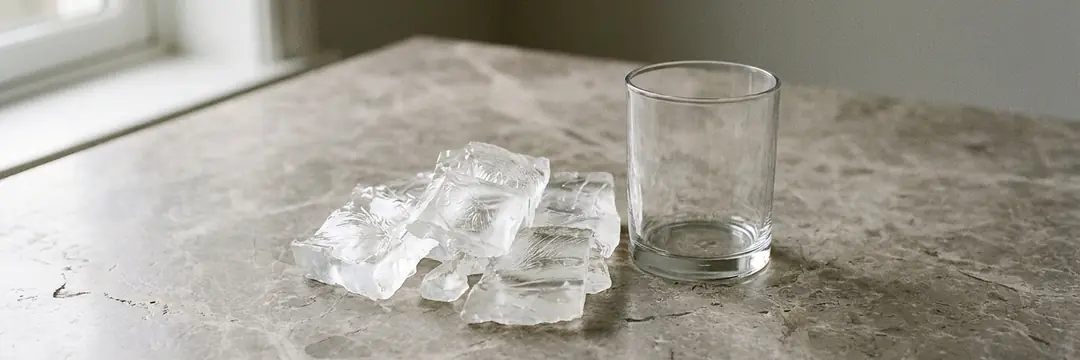
Making gel candles is the easiest way to build a little world inside a clear glass, with seashells or colored marbles. But gel doesn't behave like soy wax or paraffin: it melts at a higher temperature, holds less fragrance oil and dye, and there are rules for choosing decorations. In this guide we cover what temperature to pour gel candles at, how to color them, how many candles 1 kg of gel makes and why gel turns cloudy, all with measurements.
In short
- Our Gel Candle Wax melts at 90–95 °C (194–203 °F) and sets at 50–60 °C (122–140 °F); the pouring range is 85–95 °C (185–203 °F).
- Use only non-polar fragrance oil with a flash point of 77 °C (171 °F) or higher: start at 3% and don't go over 5%.
- Go very light on dye: about 28 g of liquid dye colors 45 kg of gel.
- 1 kg of gel is about 1.1–1.2 liters: roughly 7 candles in 150 ml glasses.
- The most common cause of cloudiness is a single drop of water; bubbles come from cold glass and fast stirring.
In this guide
- What is gel candle wax made of?
- Gel candle making supplies
- How to melt gel wax and what temperature to pour gel candles
- How to make gel candles at home, step by step
- How to use dye and fragrance oil in gel candles
- How many candles does 1 kg of gel wax make?
- Why gel candles turn cloudy, bubbly or yellow
- Decorations, wicks and safe burning
- Frequently asked questions
What is gel candle wax made of?
Gel candle wax is made by thickening mineral oil (a petroleum-based hydrocarbon oil distilled within a narrow range) to a jelly-like consistency with special polymers. It's also sold as "gel paraffin" or "candle gel", but it behaves differently from solid paraffin: it's clear, flexible and unscented, it melts at a higher temperature and it holds less fragrance oil.
Gels are classified by density: low-density gel gives the widest melt pool and holds the least fragrance oil (0–3% or 0–4%), medium-density gel is the most widely used (3–5%), and high-density gel suspends glitter and heavy decorations and holds up better to being moved. The density grade of our Gel Candle Wax isn't stated on the product page, so we recommend starting fragrance oil at the cautious end of the range, at 3%.
Gel candle making supplies
A thick-bottomed glass, votive glass or stemmed glass. Don't use thin glass, plastic or wooden containers.
Glasses and jarsYou can't hit 90–95 °C by guesswork. Our thermometer measures from -50 to +300 °C.
ThermometerGlass marbles, glass gems, seashells, ceramic or metal decorations.
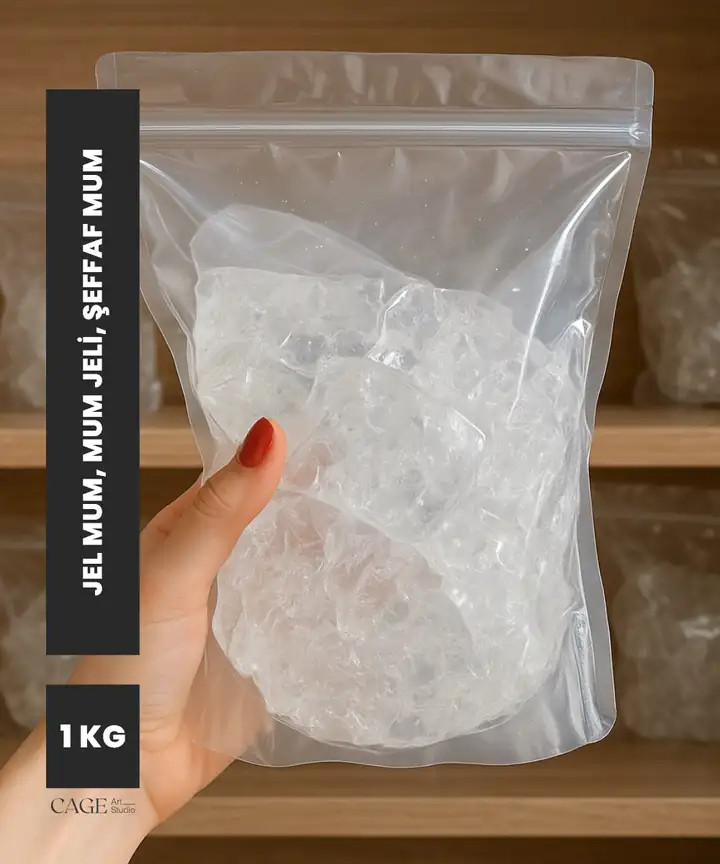 Gel Candle Wax 1 kgView
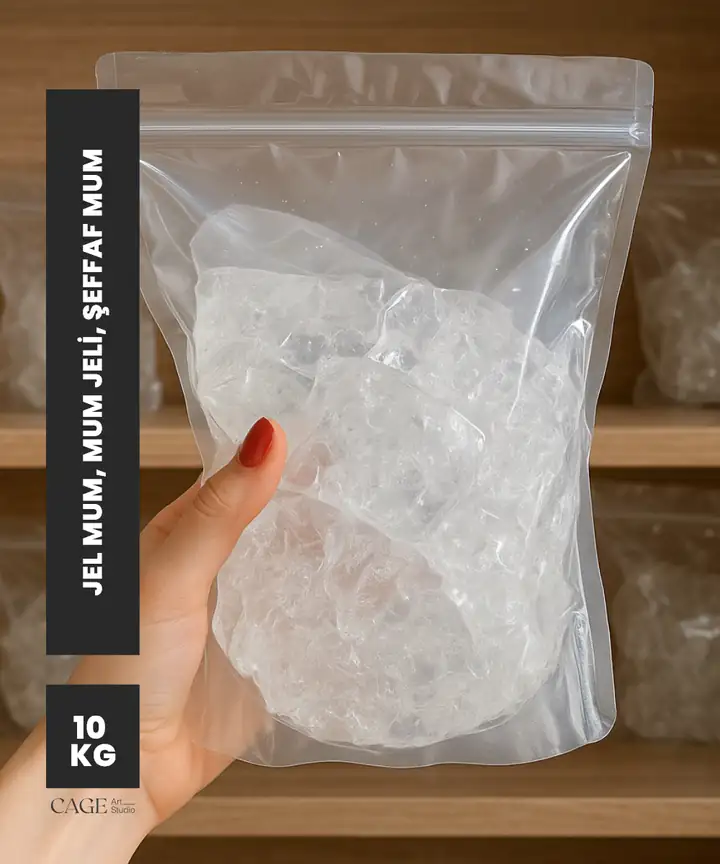 Gel Candle Wax 10 kgView
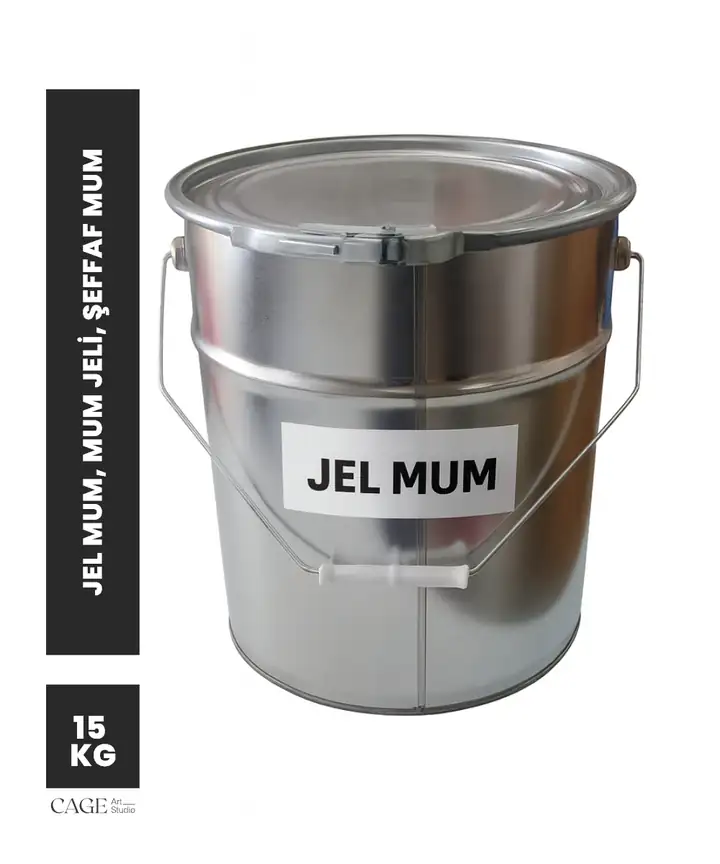 Gel Candle Wax 15 kgView
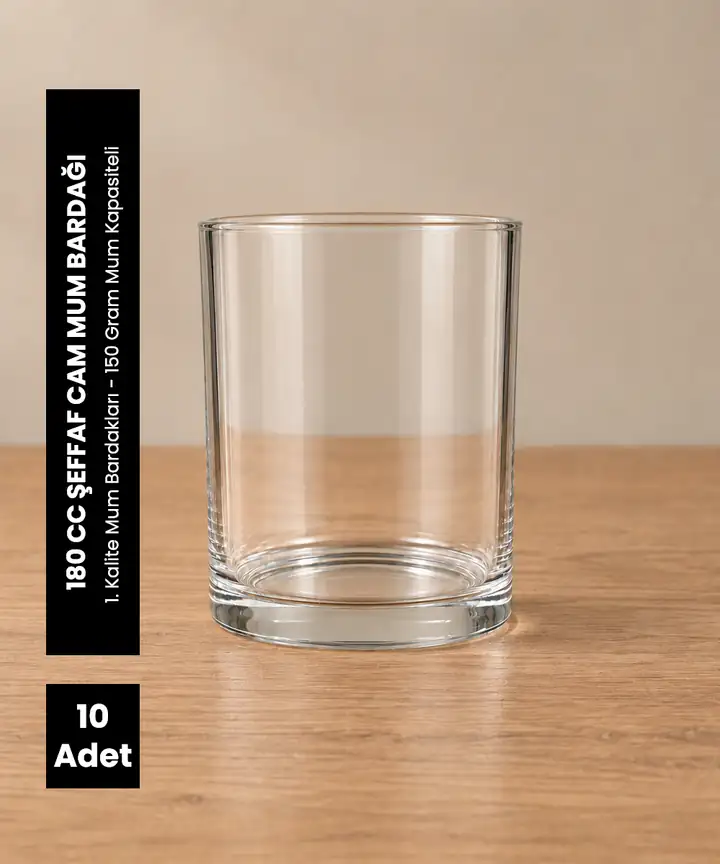 Clear Candle Glass, 150 g Wax CapacityView
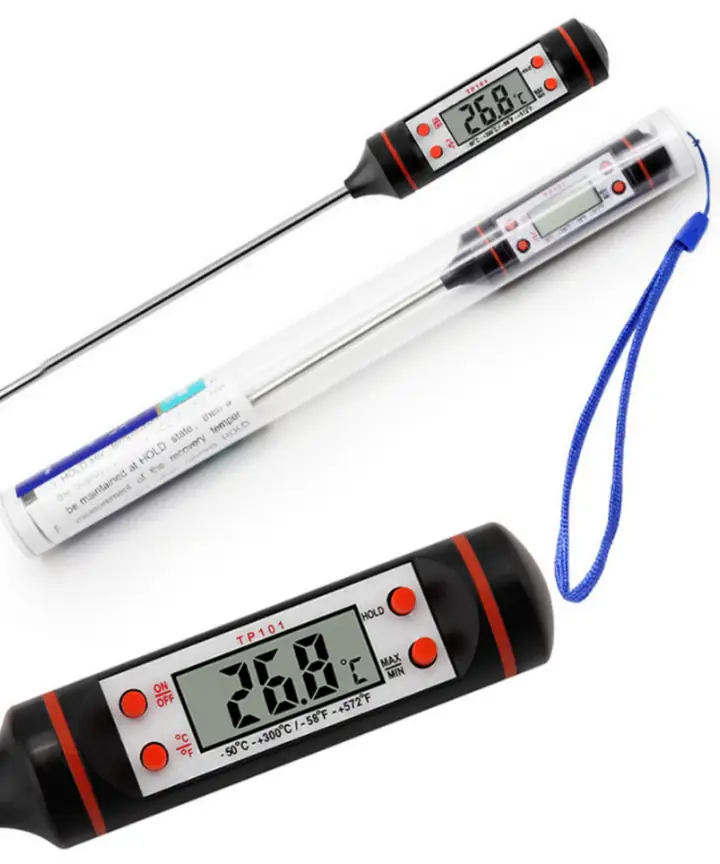 Digital ThermometerView
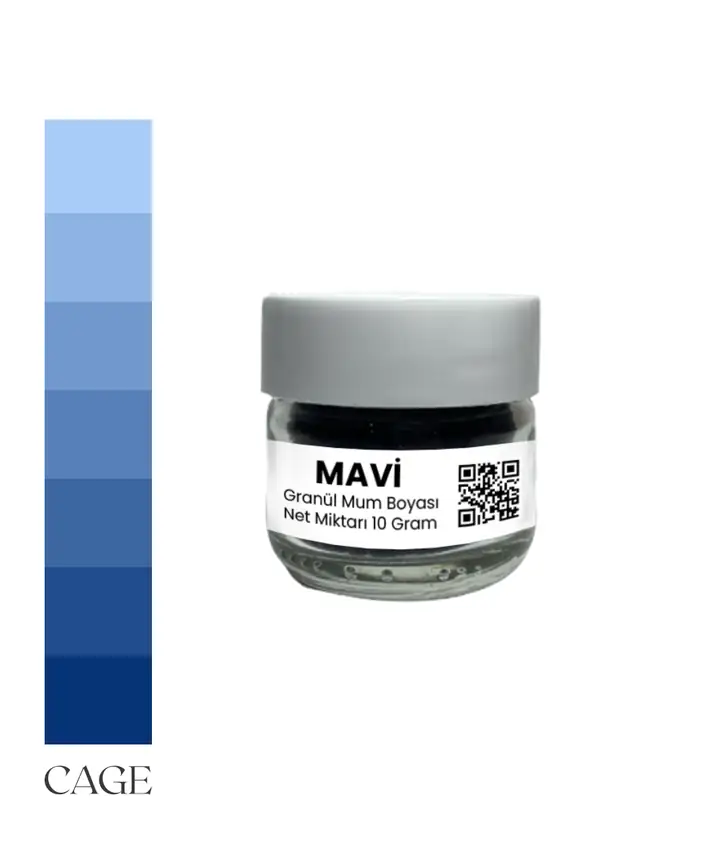 Blue Candle Dye GranulesView
How to melt gel wax and what temperature to pour gel candles
Melt the gel in a double boiler or in a melting pot with adjustable temperature, stirring now and then. Don't put it directly on the stove or over an open flame; you can't control the temperature, and gel is flammable. Cutting the gel into small pieces speeds up melting. General information, such as how a double boiler, melting pot and saucepan compare, is in our how to melt candle wax post; here you'll only find the values specific to gel:
| Stage | Temperature | Source |
|---|---|---|
| Melting | 90–95 °C | Our Gel Candle Wax product page |
| Gelling (setting) | 50–60 °C | Our Gel Candle Wax product page |
| Adding color and fragrance oil | Once the gel has fully melted | Our product page; Penreco data 95–105 °C |
| Pouring | 85–95 °C | Penreco process data |
| Bubbles rising | 75–85 °C | Penreco process data |
| Storage | 18–21 °C, out of sunlight | Our Gel Candle Wax product page |
Penreco notes that these process values can vary by about ±10 °C, so note how your own gel behaves on the first pour. For a more detailed wax comparison, see our candle pouring temperature table.
Don't splash water into melted gel: a single drop of water can cloud it. Don't let the double boiler water bubble up into the pouring pot; keep the pot and spoon dry. Hot gel sticks to skin and burns, so wear gloves while melting and pouring.
How to make gel candles at home, step by step
These steps are for a thick glass container such as the Clear Candle Glass. To make gel candles at home, a saucepan, a pouring pot and a thermometer are all you need.
- 1
Prepare the glass
Wash the thick, heat-resistant glass, dry it completely and warm it. Gel poured into cold glass traps more bubbles.
- 2
Secure the wick
Stick the pre-tabbed wick to the exact center of the glass with a wick sticker, and hold it upright at the top with a wooden wick holder.
- 3
Place the decorations
Arrange non-flammable decorations such as glass marbles and seashells on the bottom, away from the wick. Dipping the decorations in a little melted gel first keeps air from clinging to them.
- 4
Melt the gel in a double boiler
Put the gel in the pouring pot in small pieces and bring it to 90–95 °C in a double boiler, stirring slowly now and then with a metal spoon.
- 5
Add color and fragrance oil (optional)
Add a tiny amount of dye and the gel-compatible fragrance oil you weighed out (3%); stir slowly, without creating foam.
- 6
Pour slowly along the side
Pour the gel slowly along the inside of the glass, holding the pot low. If you're using decorations, fill the glass halfway first, then add the rest once the gel has set.
- 7
Smooth the surface
Pop bubbles that rise to the surface by briefly warming the top with a heat gun. Don't use a lighter or an open flame.
- 8
Cool it at room temperature
Let the glass cool on a level surface, away from drafts. Gel starts to set at 50–60 °C; wait until it has cooled completely before trimming the wick.
- 9
Trim the wick
Trim the wick to about 6 mm above the gel surface.
How to use dye and fragrance oil in gel candles
Dye
The beauty of gel is its clarity, so a tiny amount of dye is enough. Sources say about 28 g of liquid dye colors 45 kg of gel. Manufacturers recommend liquid candle dye for gel, because wax-based dyes can cloud it. If you're using our candle dye granules in gel, do it like this:
- 1
Test with a small portion
Drop a single granule into a spoonful of melted gel and stir until it dissolves completely.
- 2
Check it against white
Drip a few drops onto a white plate; melted gel looks darker than it does once set.
- 3
Check the clarity
If the gel is cloudy once it sets, don't use that dye in gel; get the color from colored glass marbles or a colored glass instead.
Epoxy pigment, acrylic paint, crayons and mica aren't suitable for a burning candle: the pigment particles don't dissolve and can clog the wick. Mica and glitter are used only for decoration, in products without a wick or in high-density gel.
Fragrance oil
Gel is a hydrocarbon oil; only non-polar (apolar) fragrance oils, which can mix with it, stay evenly blended in gel. Polar fragrance oils separate from the gel, form droplet-like "scent pockets" inside the candle and can lower the gel's flash point. The rule manufacturers agree on: gel-compatible fragrance oil with a flash point of at least 77 °C.
Not suitable
Polar fragrance oil, any oil with a flash point below 77 °C or an unknown flash point; more than 5% fragrance oil.
Suitable
Gel-compatible (non-polar) fragrance oil with a flash point of 77 °C or higher; start at 3%, 5% at most. That's 30–50 g per 1 kg of gel.
Our candle fragrance oils were chosen for soy wax and paraffin; their flash points and gel compatibility aren't listed on the product pages. Before using a fragrance oil in gel, ask us through our contact page, or work with unscented gel. For ratios and dye in wax candles, see our candle fragrance oil and dye ratios post.
How many candles does 1 kg of gel wax make?
Glass capacities are usually given in grams of wax, but gel has a different density from wax, and it isn't stated on our product page. That's why we calculate by volume. Assumption: mineral oil-based gel is lighter than water; in our math we took 1 ml of gel as about 0.85 g. Check your own gel by weighing it on the first pour.
| Container volume | Gel (≈ 0.85 g/ml) | From 1 kg of gel | From 10 kg of gel |
|---|---|---|---|
| 100 ml | ≈ 85 g | 11 containers | 117 containers |
| 150 ml | ≈ 128 g | 7 containers | 78 containers |
| 200 ml | ≈ 170 g | 5 containers | 58 containers |
| 250 ml | ≈ 213 g | 4 containers | 47 containers |
If you don't know your container's volume, put it on a scale, zero it and fill it to the brim with water: the water's weight in grams is about its volume in ml. We rounded the numbers down to allow for what's left in the pot.
Why gel candles turn cloudy, bubbly or yellow
Most gel candle problems come down to four things: water, air, temperature and incompatible additives. By symptom:
Cloudy gel
Bubbles in the gel
Foaming while stirring
Yellowed gel
Gel won't melt or won't set
Droplet-like scent pockets in the gel
For pouring problems in wax candles, see our candle making tips post.
Decorations, wicks and safe burning
Don't use
Dried flowers, wood, paper, plastic, dried fruit and any decoration that touches the wick. These are flammable or can't take the heat.
Safe to use
Glass marbles, glass gems, ceramic figurines, seashells, stones and metal decorations. They should sit at the bottom, away from the wick.
To keep decorations in place, fill the container halfway first; once the gel sets, place the decorations and pour the rest. The decorations look like they're floating in the gel.
Gel burns hotter than wax. Sources recommend zinc-core or paper-core wicks, one size thicker than for a wax candle of the same diameter; if you use a cotton wick, choose a pre-waxed one that stands upright. A tall-neck wick tab puts the flame out before it reaches the bottom of the glass. Always do a test burn; for the general logic of choosing a wick, see our how to choose a candle wick post.
| Rule | Why |
|---|---|
| Thick, heat-resistant glass | The real risk isn't the gel exploding but the hot glass cracking |
| Wick dead center, trimmed to 6 mm before every burn | An off-center wick overheats one side of the glass |
| 4 hours at a time, max | Our product page and the NCA rule; then 2 hours to cool |
| Put it out when 1.3 cm is left at the bottom | The NCA's container candle rule; the glass base doesn't overheat |
| Don't move it while it's burning or just after putting it out | Hot gel and glass burn |
| 30 cm from flammable items, within sight | NCA rule |
Gel candles in stemmed glasses that look like a "cocktail" or "jam" can be mistaken for food or drink by children. Keep designs like these out of children's reach and state clearly on the label that it's a candle. For general scented candle safety, see our are scented candles harmful post.
Frequently asked questions
How do you make gel candles?
Melt the gel in a double boiler to 90–95 °C (194–203 °F), add a tiny amount of dye and 3% gel-compatible fragrance oil if you like, pour it slowly along the side into a warm, thick glass with the wick already secured, and let it cool at room temperature.
What temperature do you pour gel candles?
The general range is 85–95 °C (185–203 °F). Our Gel Candle Wax melts at 90–95 °C; once it has fully melted, add color and fragrance oil and pour right away into warmed glass. Gel starts to set at 50–60 °C.
How do you melt gel candle wax?
In a double boiler or in a melting pot with adjustable temperature: put the gel in the pouring pot in small pieces, stir slowly with a metal spoon and bring it to 90–95 °C, checking with a thermometer. Don't put it over direct heat, and don't let water get in.
How do you color gel candles?
A tiny amount of dye is enough: according to sources, about 28 g of liquid dye colors 45 kg of gel. If you use dye granules, test a single granule in a small portion first; if you see cloudiness, get the color from colored glass instead.
How many candles does 1 kg of gel wax make?
It depends on the container's volume. Assuming the gel's density is about 0.85 g/ml, 1 kg of gel is 1.1–1.2 liters: about 7 candles in 150 ml glasses, or 5 in 200 ml glasses. Add decorations and you'll fill more containers.
Why is my gel candle cloudy?
The most common causes: water getting into the gel, too much dye or wax-based dye, and fragrance oil that doesn't mix with gel. Keep the pot and spoon dry, use less dye and use only gel-compatible fragrance oil.
Can you add fragrance oil to gel candles, and how much?
Only gel-compatible, non-polar fragrance oil with a flash point of at least 77 °C (171 °F). Start at 3% and don't go over 5%: 30–50 g per 1 kg of gel.
Can you put dried flowers in gel candles?
No. Dried flowers, paper, wood and plastic are flammable; in gel, use only non-flammable decorations such as glass, marbles, ceramics, stones and seashells, and keep them away from the wick.
Everything you need for clear gel candles
Gel candle wax, clear candle glasses, a thermometer and wick accessories in one order, shipped in 1–3 business days.