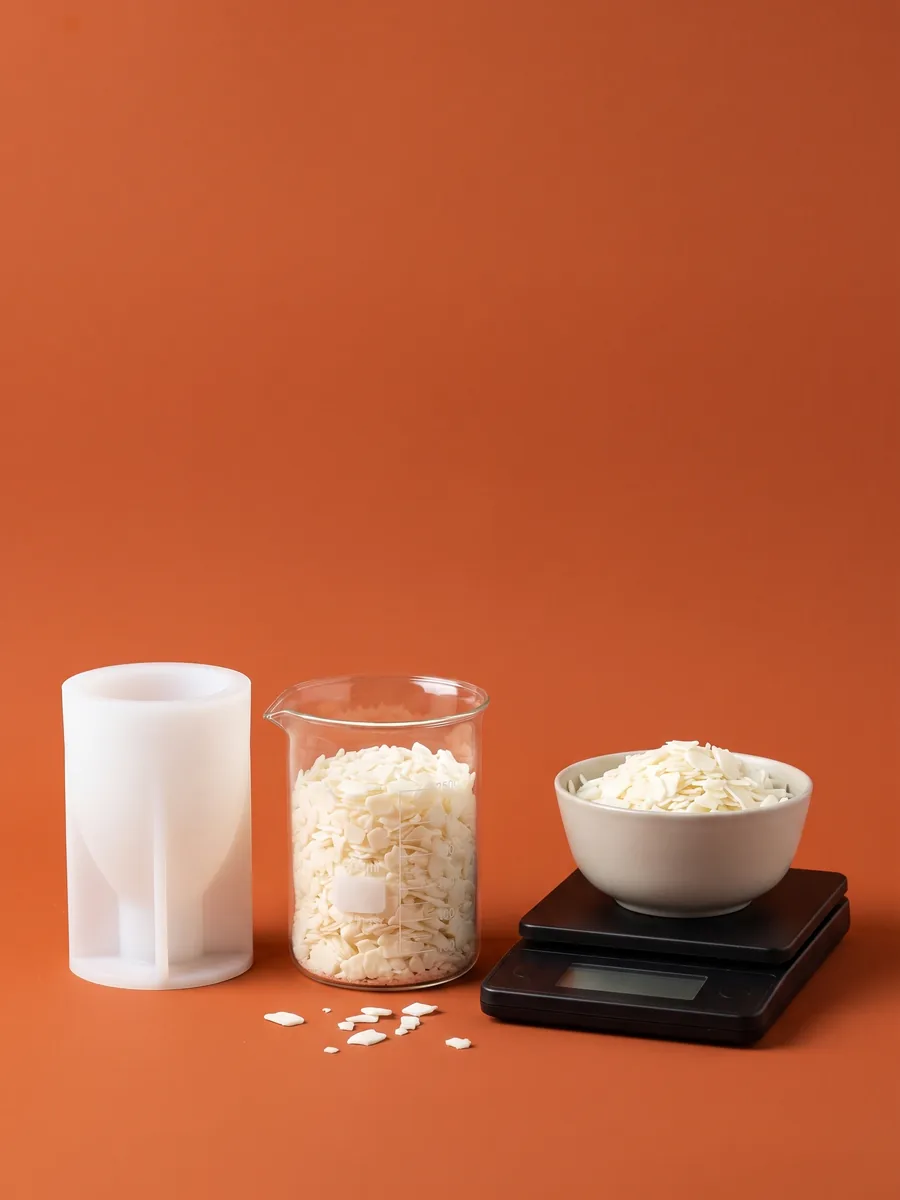
How to Make Scented Candles: Fragrance Ratio and Tips
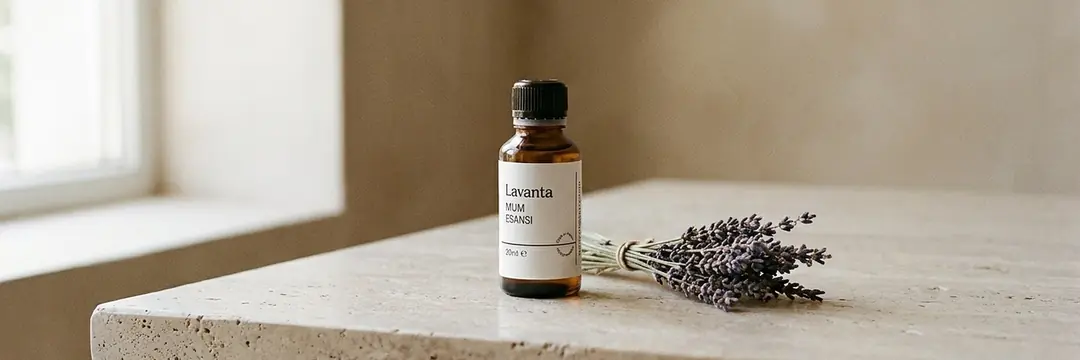
How do you make a scented candle? Melting the wax and adding a few drops of fragrance oil isn't enough; what ties the scent into the candle is the right fragrance oil, the right ratio, the right temperature and a little patience. This guide focuses only on scent: we explain which fragrance oil to choose, how many grams to add, when to add it, and what to do if your candle doesn't smell.
In short
- In candles, use candle fragrance oil; perfume and cologne are alcohol-based and don't mix with wax.
- The ratio is 6–10% of the wax weight: 60–100 g for 1 kg of wax; averaging 8% in Golden Soya Wax.
- Add the fragrance oil at 80–85 °C once the pot is off the heat, and stir slowly for 2 minutes.
- Let a soy candle rest at least 48 hours, and 1–2 weeks for the strongest scent.
- More fragrance oil doesn't mean more scent: a candle above 10% sweats and can soot.
- Candles fall under IFRA Category 12; the certificate for each of our fragrance oils is on the site.
In this guide
- Which wax is better for scented candles?
- Candle fragrance oil vs. essential oil vs. perfume
- How many grams of fragrance oil? 6–10% ratio table
- At what temperature do you add fragrance oil, and how do you mix it?
- Resting: why does the scent get stronger over days?
- Cold throw and hot throw
- Why doesn't my scented candle smell?
- IFRA certificate and safe use
- Frequently asked questions
Which wax is better for scented candles?
The wax carries the scent, and each wax can hold a different amount of fragrance oil. The most common choice for container scented candles is soy wax: the fragrance oil saturation ratio of Golden Soya Wax averages 8%, and its soft structure creates a wide melt pool. Paraffin rests in a shorter time, while gel holds far less fragrance oil.
| Raw material | Fragrance oil ratio | Good to know |
|---|---|---|
| Golden Soya Wax (container) | 6–10%, saturation ~8% | Rest 1–2 weeks for scent |
| Pillar Soy Wax (mold) | %6–10 | Pour at 55–65 °C |
| Paraffin Wax | %6–10 | Usually rests in 3–5 days |
| Gel candles | %3–5 | Gel-compatible fragrance oil with a flash point of at least 77 °C |
Most sources say that in soy candles 6–8% often gives better results than 10%. Fragrance oil beyond what the wax can hold seeps to the surface, drowns the wick and can soot. Start at 8% and note the result.
Candle fragrance oil vs. essential oil vs. perfume
The most common mistake in scented candle making is assuming that every scented liquid you have on hand will work in a candle. The difference between the three options:
| Candle fragrance oil | Essential oil | Perfume, cologne | |
|---|---|---|---|
| What is it? | An oil-based scent prepared to dissolve in wax and release scent when heated | Pure oil obtained from plants | Alcohol-based body scent |
| Scent in a candle | Balanced both burning and unlit | Variable, because it isn't made for heat | Alcohol doesn't mix with wax; it evaporates |
| Ratio | %6–10 | Should be tested in a small batch | Not used |
| Safety | IFRA certificate, Category 12 limit | The IFRA limit of each oil must be checked separately | Alcohol is flammable |
| Verdict | The right choice for candles | By trial, in small batches | Don't use in candles |
Some scented candles are made with essential oils. If you use an essential oil, make a small test batch, weigh and record the ratio, and check the oil's IFRA limit. This guide covers how fragrance behaves in candles; we make no claims about the health effects of scents.
Coffee, lavender, citronella: three example recipes
Coffee Candle Fragrance Oil and a pinch of brown dye.
- Container
- 150 g glass
- Golden Soya Wax
- 138.9 g
- Fragrance oil (8%)
- 11.1 g
Lavender Candle Fragrance Oil, in an amber glass jar.
- Container
- 250 cc (~190 g)
- Golden Soya Wax
- 175.9 g
- Fragrance oil (8%)
- 14.1 g
A fresh, grassy scent for summer evenings.
- Container
- 100 cc (~75 g)
- Golden Soya Wax
- 68.2 g
- Fragrance oil (10%)
- 6.8 g
Putting coffee, dried lavender or flower petals into the candle doesn't add scent; the scent comes from the fragrance oil. Such decorations can catch fire when they come near the flame in the melt pool and can disturb the burn. If you want a decoration, put a small amount at the edge of the surface and remove it from around the flame before burning.
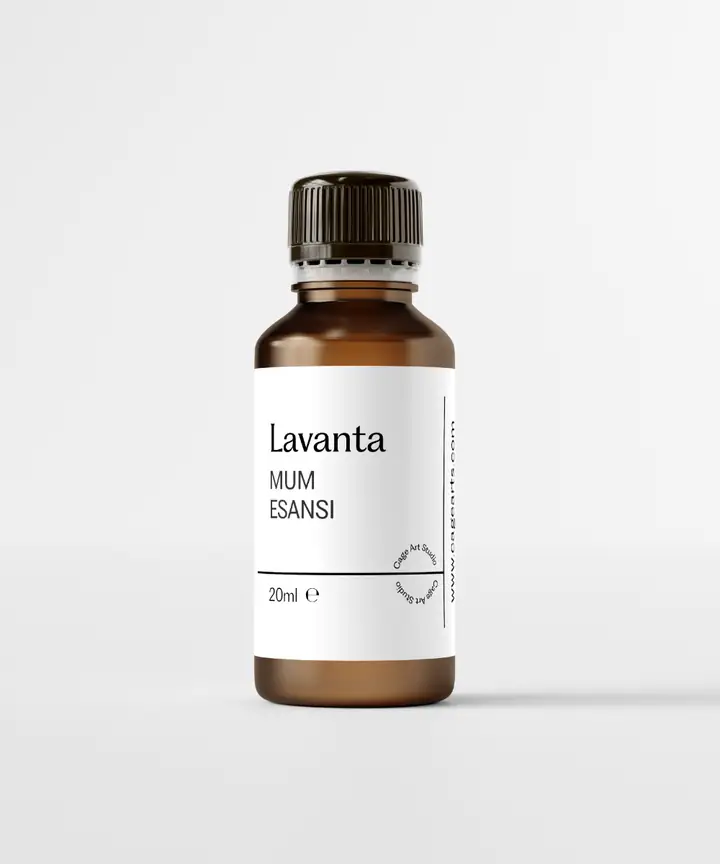 Lavender Candle Fragrance OilView
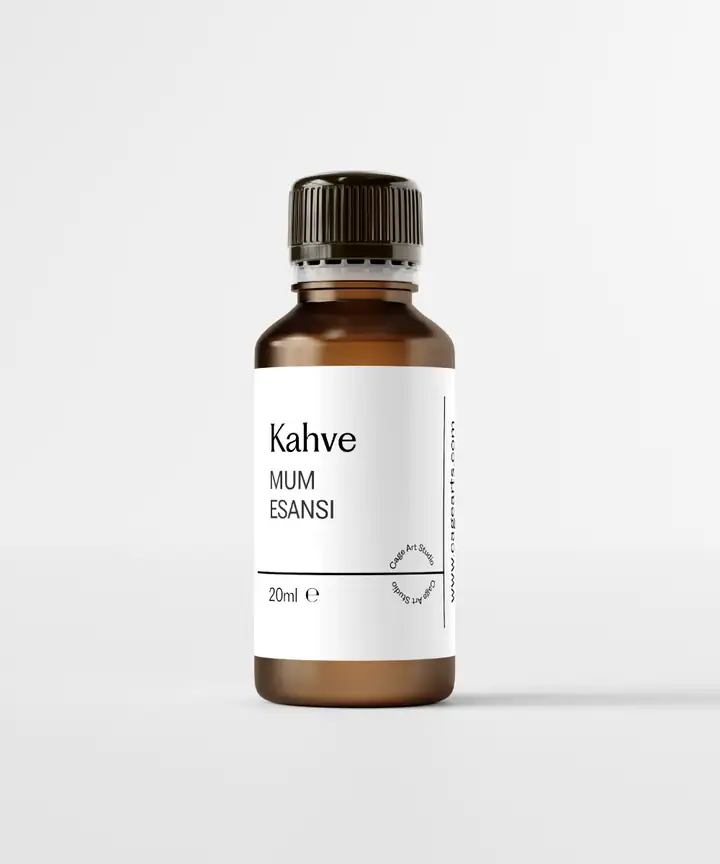 Coffee Candle Fragrance OilView
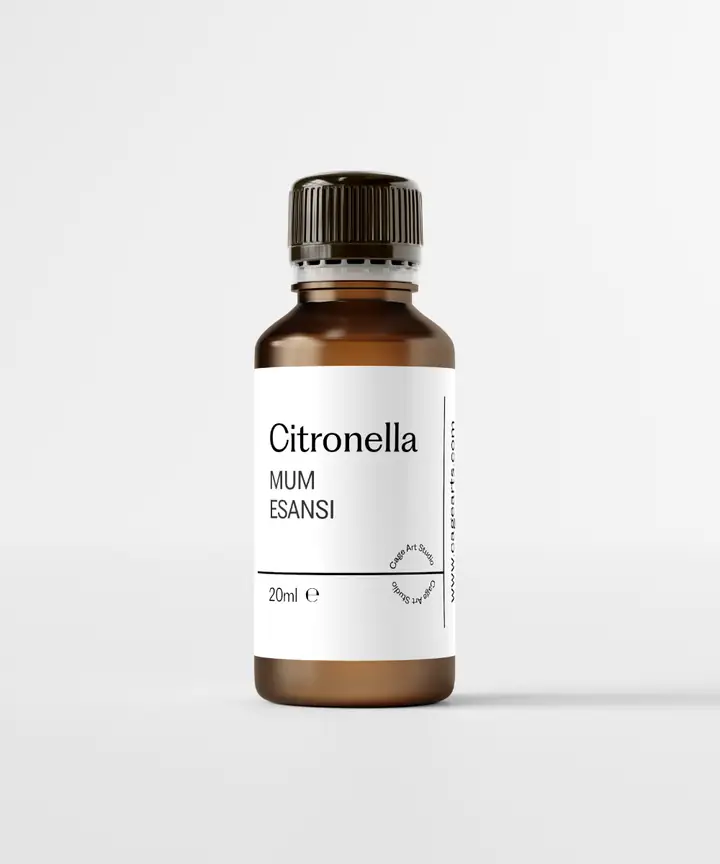 Citronella Candle Fragrance OilView
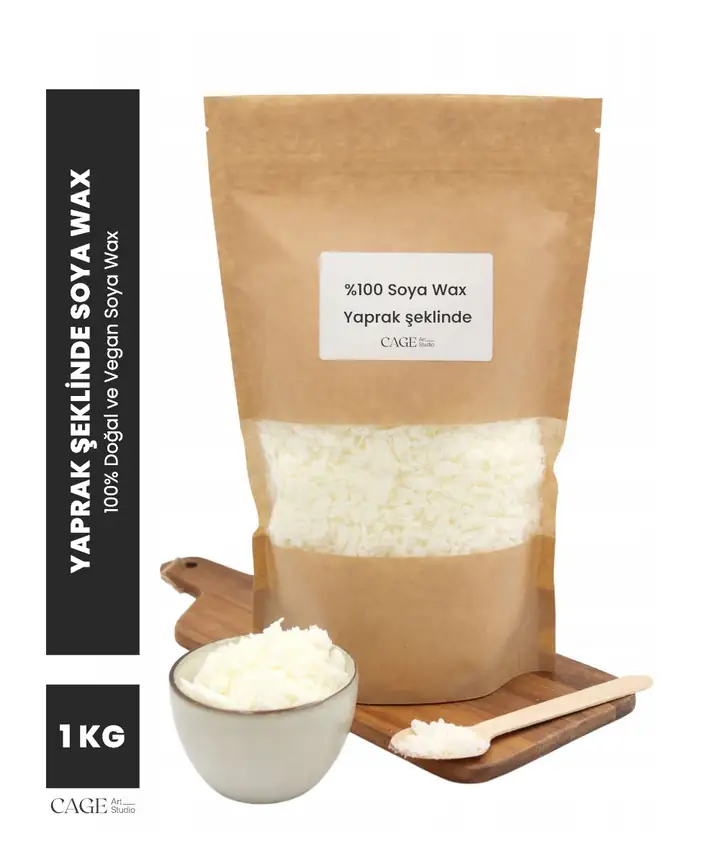 Golden Soya Wax 1 kg (Leaf Shape)View
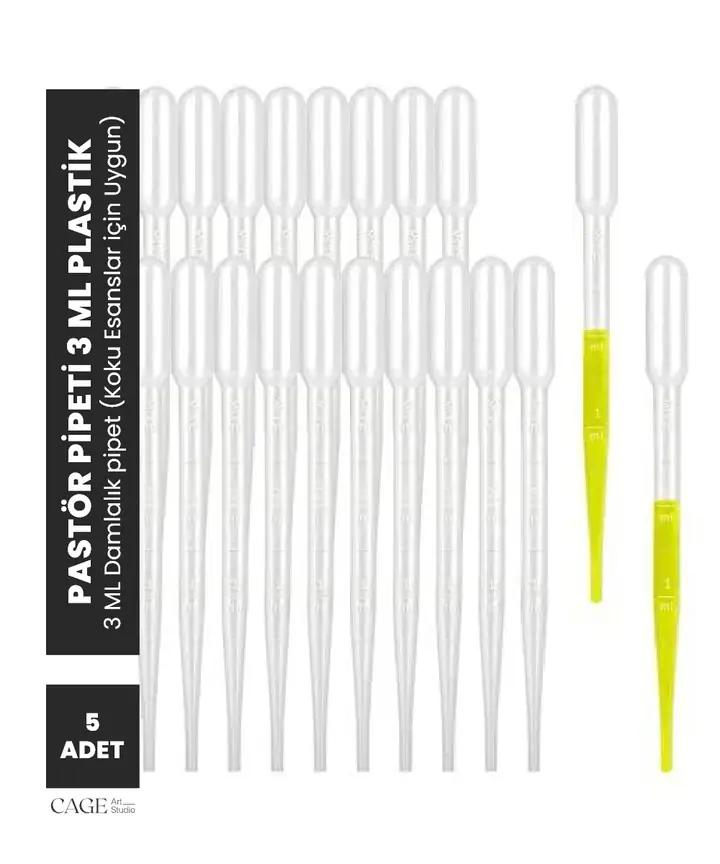 Plastic Pasteur Pipette Dropper 3 mlView
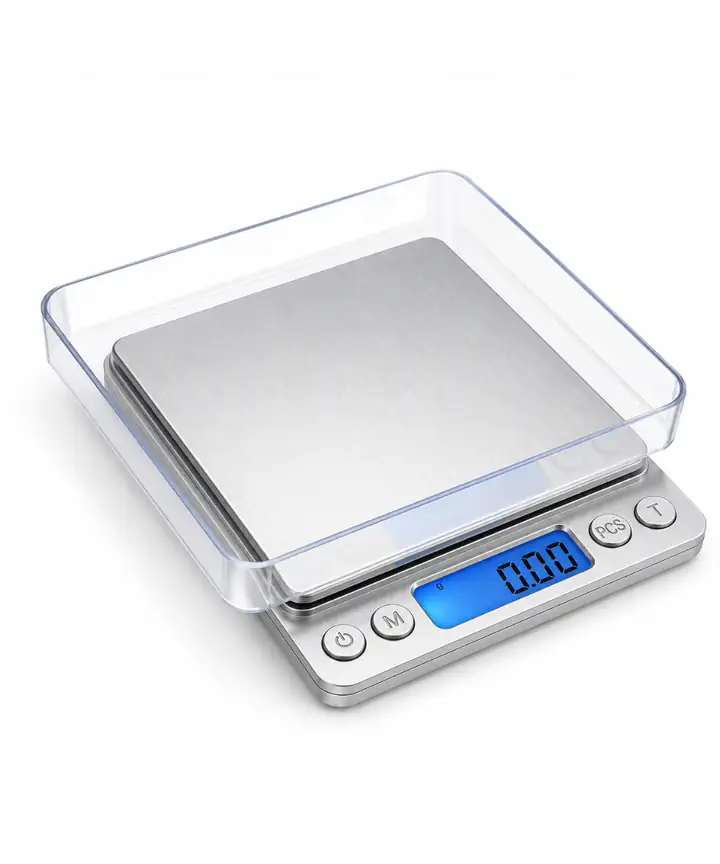 Mini Digital Precision Scale 0.1 g - 2 kgView
How many grams of fragrance oil? 6–10% ratio table
The fragrance oil ratio is a percentage of the wax weight: fragrance oil grams = wax grams × ratio. For 1 kg of wax, that's 60 g at 6%, 80 g at 8% and 100 g at 10%. When you're filling a container, the number you have is the total candle weight; in that case, divide the total by (1 + ratio) to find the wax, and the rest is fragrance oil.
| Container (total candle) | %6 | %8 | %10 |
|---|---|---|---|
| 100 cc jar (75 g) | 4.2 g | 5.6 g | 6.8 g |
| 150 g glass | 8.5 g | 11.1 g | 13.6 g |
| 250 cc jar (190 g) | 10.8 g | 14.1 g | 17.3 g |
| 1 kg total candle | 56.6 g | 74.1 g | 90.9 g |
The value in the table is the amount of fragrance oil; to get the wax, subtract the fragrance oil from the total. For example, in a 150 g glass at 8%: 138.9 g of wax and 11.1 g of fragrance oil. Ready-made tables by wax weight and dye ratios are on the Candle Fragrance Oil and Dye Ratios page.
Fragrance oils differ from one another and from wax in density; fragrance oil measured in milliliters or spoonfuls gives a different ratio every time. Tare the scale and weigh the fragrance oil directly; for amounts of a few grams, use a Pasteur pipette.
Mixing two scents
The total ratio in the blend should still stay within 6–10%. For example, if 8% for 500 g of wax needs 40 g of fragrance oil, split it into something like 25 g of lavender and 15 g of bergamot. Note down the ratios; that's the only way to repeat a blend you like.
At what temperature do you add fragrance oil, and how do you mix it?
Fragrance oil is added once the wax has fully melted and reached the temperature you want, after the pot is taken off the heat. For container soy wax, that point is 80–85 °C; with strong fragrance oils you can go up to 88 °C. Fragrance oil added to wax that is too cold doesn't dissolve fully and sinks to the bottom: the candle both smells weak and shows oil droplets on its surface.
- 1
Melt the wax
Heat the soy wax to 80–85 °C in a double boiler or melting pot. If you're using dye, add it now.
- 2
Weigh the fragrance oil separately
Put a small container on the scale, tare it, and weigh the fragrance oil you calculated in grams.
- 3
Take the pot off the heat
Add the fragrance oil to wax that you've taken off the heat, not to wax that's still on the flame.
- 4
Stir for 2 minutes
Stir with a metal rod in slow, wide motions for 2 minutes. Don't make it foam; the goal is to bind the fragrance oil into the wax.
- 5
Stir once more before pouring
Wait until the wax drops to 55–60 °C, and stir briefly again just before pouring.
- 6
Close the lid after 24 hours
Leave the candle uncovered for the first 24 hours, then close the lid and let it rest in a cool, dark place.
No. The flash point is the temperature at which fragrance oil vapor can ignite from an open flame; being above that temperature when you add it to wax doesn't burn off the scent. What weakens the scent is keeping fragrance-oiled wax hot for a long time, or melting and cooling it over and over.
Resting: why does the scent get stronger over days?
After the candle sets, the scent keeps getting stronger for a few days, and for a few weeks in soy candles. Manufacturers explain this by the wax's crystal structure settling and the fragrance oil balancing out inside the wax. The mechanism hasn't been proven for certain; still, all the sources recommend resting.
| Wax | At least | Ideal |
|---|---|---|
| Soy wax | 48 hours | 1–2 weeks |
| Paraffin Wax | 24–48 hours | 3–5 days |
While resting, keep the candles covered, at 18–25 °C, in a place without direct sun. Frequent temperature changes can make the fragrance oil seep to the surface.
Cold throw and hot throw
A scented candle has two separate scents. Cold throw is the scent you smell when you open the lid of an unlit candle. Hot throw is the scent that spreads from the melt pool into the room while the candle burns. Candle makers who sell candles sum it up like this: cold throw brings the first sale, hot throw brings the customer back.
The candle may not have rested enough, the fragrance oil may have been added to wax that was too cold, or the fragrance oil may have very light notes. First, extend the resting time.
The melt pool may not be reaching the edge (the wick is thin), the container may be narrow, or the room may be too large. Check the wick and the container.
To test hot throw, burn the candle for 2–4 hours, then smell it in rooms of different sizes and with a few people. The nose gets used to a scent quickly; don't decide alone. Wick choice directly affects hot throw: if the pool doesn't reach the edge, the scent doesn't spread either. For the right thickness, see the How to Choose a Candle Wick guide.
Why doesn't my scented candle smell?
To identify the problem using your recipe and test log, carry out the nine checks in our guide to weak candle fragrance.
If your candle doesn't smell, there's often more than one cause. Check the table from top to bottom:
| Symptom | Possible cause | Fix |
|---|---|---|
| No scent either when opened or when burning | Too little fragrance oil, or not measured in grams | Raise the ratio to 8% by weighing; don't exceed 10% |
| Freshly poured, scent is faint | Short resting time | Let soy candles rest 1–2 weeks |
| Oily layer at the bottom, weak scent | Fragrance oil was added to wax that was too cold | Add it at 80–85 °C and stir for 2 minutes |
| Smells when unlit, not when burning | The melt pool doesn't reach the edge | Try a wick one size thicker, or a double wick |
| Smells in a small room, not in the living room | The container is narrow and the room is large | Use a wide-mouth container and a double wick |
| Oil droplets on the surface | Too much fragrance oil, or fast cooling | Lower the ratio, cool slowly at 18–25 °C |
| The wax was melted many times | Heat has worn out the fragrance oil | Melt and pour fragrance-oiled wax only once |
| The scent faded over time | Stored without a lid in a warm place | Close the lid and store in a cool, dark place |
For other problems such as sweating, tunneling and soot, see the Candle Making Tips guide.
IFRA certificate and safe use
IFRA (International Fragrance Association) publishes standards that set the maximum usage level for each fragrance mixture according to product category. Candles and wax melts fall in Category 12, which covers ambient scents that don't touch the skin. Each fragrance oil's IFRA conformity certificate gives a separate limit for each of these categories.
For example, the IFRA certificate of our Lavender fragrance oil sets no upper limit for Category 12. This doesn't mean you can use as much as you like in a candle: the limit in the certificate is a safety ceiling, not a recommended ratio. What the wax can hold stays within the 6–10% range. The certificates for our other fragrance oils, such as Coffee and Citronella, are on the site too.
In Turkey, the label of a scented candle is subject to the SEA Regulation, which is aligned with EU CLP. General thresholds: if a sensitizing fragrance substance exceeds 0.1% in the candle, the substance's name and the EUH208 warning go on the label; above 1%, the exclamation mark pictogram, the "Warning" signal word and the H317 statement are added. The fragrance oil's safety data sheet is used for the calculation. Details: Making and Selling Candles at Home.
Frequently asked questions
How do you make a scented candle?
Heat the wax to 80–85 °C. Once the pot is off the heat, weigh candle fragrance oil at 6–10% of the wax weight and add it, stir for 2 minutes, and pour at 55–60 °C. Let a soy candle rest 1–2 weeks before burning.
How many grams of fragrance oil go into 1 kg of candle?
60–100 g for 1 kg of wax, which is 6–10%. The fragrance oil saturation ratio of Golden Soya Wax averages 8%, which is 80 g.
At what temperature do you add fragrance oil?
In container soy candles, at 80–85 °C after the pot is taken off the heat; with strong fragrance oils, at 88 °C at most. Fragrance oil added to colder wax doesn't mix fully.
Can you use essential oil in candle making?
You can, but the results vary, because essential oils aren't made for the heat of a candle. Make a small test batch and check the oil's IFRA Category 12 limit.
How many days should a scented candle rest before burning?
For soy candles, at least 48 hours for a test and 1–2 weeks for the strongest scent. For paraffin, 3–5 days is usually enough.
Why doesn't my scented candle smell?
The most common causes are too little fragrance oil, fragrance oil added to cold wax, a short resting time and a melt pool that doesn't reach the edge. Weigh the ratio in grams, add it at 85 °C, wait 1–2 weeks and check the wick.
Why does a vanilla-scented candle turn yellow?
Fragrance oils containing vanillin oxidize with light and air and turn the wax yellow or brown; this is more noticeable in soy wax. It's cosmetic and doesn't affect the burn; a small amount of white dye can mask the color.
Can you put fragrance oil in a gel candle?
Yes, but the ratio is low: 3–5% in medium-density gel. The fragrance oil must be gel-compatible and have a flash point of at least 77 °C.
Pick your scent
IFRA-certified candle fragrance oils, soy wax and a precision scale; shipped in 1–3 business days.