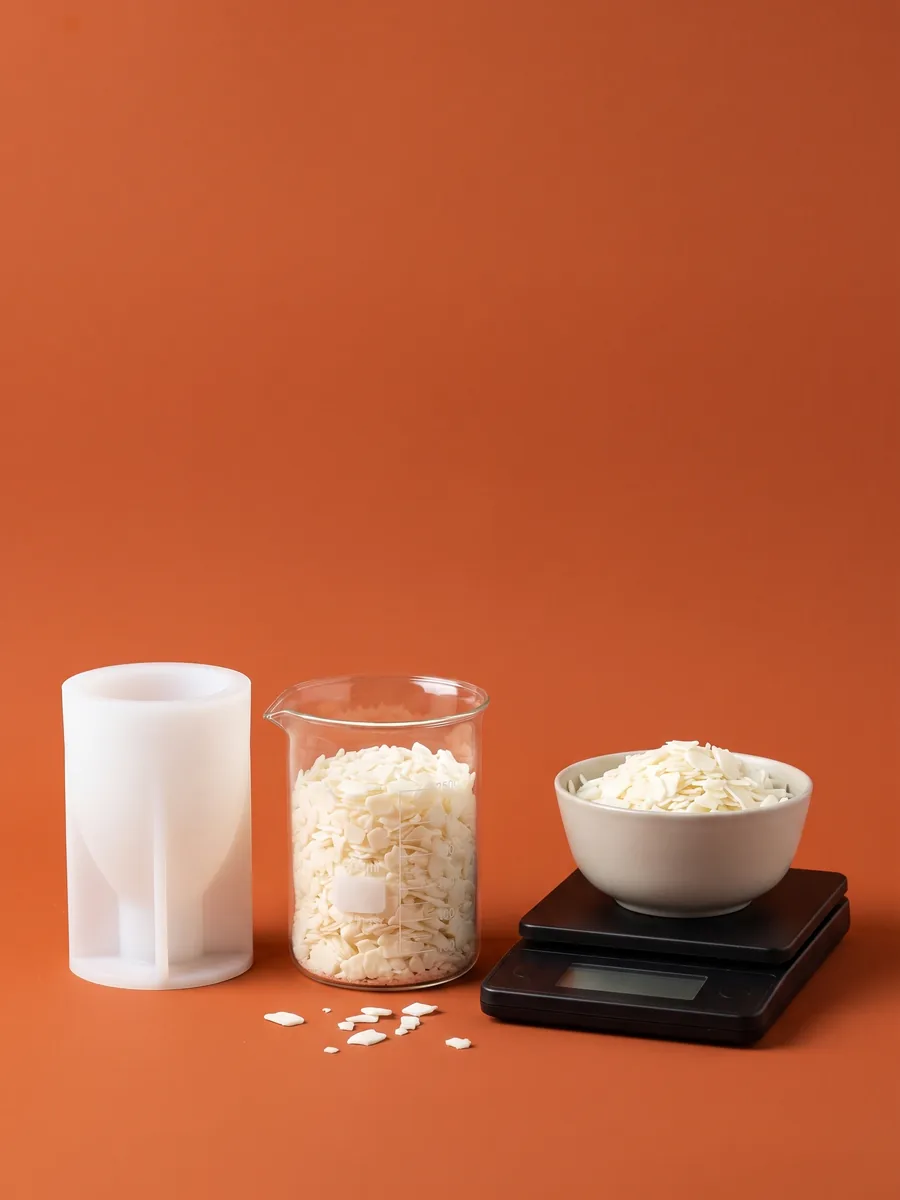
Candle Fragrance Oil and Dye Ratio: How Much, What Temp?

The answer to "how much fragrance oil do I add to a candle?" is a percentage: 6–10% of the wax weight. But what the percentage is calculated on, the temperature at which you add the fragrance oil, and how many grams of dye you measure out affect the result at least as much as the ratio does. This guide explains all of it with gram tables.
In short
- The fragrance oil ratio is calculated by wax weight: for 1 kg of wax, 8% = 80 g of fragrance oil.
- The recommended range for our fragrance oils is 6–10%; the fragrance oil saturation of Golden Soya Wax averages 8%.
- Add the fragrance oil at 80–85 °C after taking the pot off the heat, and stir slowly for 2 minutes.
- 10 g of dye granules colors about 10–15 kg of wax: 0.7–1 g per 1 kg.
- Candles and wax melts fall under IFRA Category 12; the IFRA document for each of our fragrance oils is on our site.
In this guide
- How is the fragrance oil ratio calculated?
- How many grams of fragrance oil for 1 kg of candle?
- At what temperature do you add candle fragrance oil?
- IFRA Category 12 and fragrance oil safety
- How much candle dye do you add?
- Granules, liquid, powder: which candle dye?
- Color testing and color mixing
- Weak scent, sweating candle, color change
- Frequently asked questions
How is the fragrance oil ratio calculated?
The fragrance oil ratio is the grams of fragrance oil divided by the grams of wax: fragrance oil = wax × ratio. For 8% fragrance oil in 1,000 g of wax, you add 1,000 × 0.08 = 80 g. Measure the fragrance oil on the scale in grams, not in drops, spoonfuls or milliliters: fragrance oils differ in density both from wax and from one another, so the same 10 ml weighs a different number of grams for each fragrance oil.
Some calculators give the percentage by total candle weight. If you know the total candle the container will hold, you find the wax like this: wax = total ÷ (1 + ratio). Example: for a 150 g glass and 8% fragrance oil, 150 ÷ 1.08 ≈ 139 g of wax and 11 g of fragrance oil. The "1 ounce per pound" you see in foreign sources corresponds to 6.25%.
Our Calculator and silicone mold wax calculator pages find how many grams of wax a mold or glass holds; work out the fragrance oil grams from that total.
How many grams of fragrance oil for 1 kg of candle?
| Wax | %6 | %8 | %10 |
|---|---|---|---|
| 100 g | 6 g | 8 g | 10 g |
| 150 g | 9 g | 12 g | 15 g |
| 250 g | 15 g | 20 g | 25 g |
| 500 g | 30 g | 40 g | 50 g |
| 1 kg | 60 g | 80 g | 100 g |
| 5 kg | 300 g | 400 g | 500 g |
Which ratio should you choose? The recommended usage ratio of our candle fragrance oils is 6–10%; the right value is set by your wax's fragrance oil saturation. Foreign manufacturers suggest starting at 6% in soy container candles and staying 1–2 points below the wax's upper limit. For example, with Golden Soya Wax, whose fragrance oil saturation averages 8%, you can start at 6–7% and work up to 8% by testing. Typical ratios by product:
| Product | Typical fragrance oil ratio | Note |
|---|---|---|
| Container soy candle | %6–10 | Average 8% saturation in Golden Soya Wax |
| Paraffin pillar (mold) candle | %4–6 | Pillar paraffin holds little fragrance oil; the excess sweats to the surface |
| Wax melt | %6–10 | Kept slightly higher than for candles; wax melt guide |
| Gel candles | %3–5 | Only gel-compatible fragrance oil; details in the gel candle guide |
Too much fragrance oil
The candle sweats, oil droplets collect on the surface, the wick mushrooms and soot increases. The scent does not get stronger in proportion to what you add.
The right ratio
As much fragrance oil as the wax can hold. Beyond the ratio, the right wick, the right temperature and enough curing determine how strong the scent is.
At what temperature do you add candle fragrance oil?
In soy wax, add the fragrance oil at 80–85 °C after taking the pot off the heat. At this temperature the fragrance oil blends fully into the wax. If the wax has cooled too much, the fragrance oil does not dissolve and sinks to the bottom: the scent comes out weak and the candle sweats. For thick, dense fragrance oils you can go up to 88 °C. Dye always goes in before the fragrance oil, once the wax has fully melted.
- 1
Weigh the wax and fragrance oil separately
Weigh the wax first, calculate the ratio, and measure out the fragrance oil in grams in a separate container.
- 2
Heat the wax to 80–85 °C
Melt it in a double boiler or wax melting pot and watch the temperature with a digital thermometer.
- 3
Add the dye
Add the dye granules at this temperature, stir until not a single granule is left, and do a color test on a white plate.
- 4
Take it off the heat and add fragrance oil
Take the pot off the heat, pour in the fragrance oil, and stir for 1–2 minutes (ideally exactly 2 minutes) without making foam, scraping the bottom of the pot too.
- 5
Stir once more before pouring
When the wax drops to pouring temperature, stir briefly again and pour.
A fragrance oil's flash point is the temperature at which its vapor can ignite from an open flame. Adding fragrance oil to wax hotter than its flash point does not set it on fire; and if you pour right away, it does not "burn" the scent either. What really weakens the scent is heating and cooling scented wax again and again. Flash point matters mainly in gel candle wax: in gel, only gel-compatible fragrance oils with a flash point of at least 77 °C are used.
For step-by-step scented candle making, see our Making Scented Candles guide.
IFRA Category 12 and fragrance oil safety
Every fragrance oil has an IFRA compliance certificate. The certificate lists the maximum percentage at which the fragrance oil can be used in each product group. Candles and wax melts are in Category 12: air-care products that do not contact the skin. A reed diffuser is in Category 10.A, where the limit can be much lower.
The IFRA upper limit is a compliance ceiling, not a recommended ratio. No limit in Category 12 does not mean a candle can carry 20% fragrance oil; anything beyond what the wax can hold sweats out. The documents for our fragrance oils are published on our site, for example:
Can you use essential oil or perfume?
Use a fragrance oil made for candles, tested in wax and IFRA-certified. Essential oils can be used in candles, but they are not formulated for wax the way fragrance oils are; for example, the UK supplier Candle Shack recommends essential oil in wax melts at a lower rate than fragrance oil, at most 8%. Alcohol-based perfume and cologne are not suitable for candles.
If you will sell candles, the fragrance oil's safety data sheet gives the information needed for the label. Under the EU CLP Regulation and its Turkish counterpart, the SEA Regulation, if a component that can cause skin sensitization exceeds 0.1% in a candle (0.01% for some potent components), its name and an allergic reaction warning must be written on the label. Details: Making and Selling Candles at Home.
How much candle dye do you add?
Our dye granules are oil-based, melt quickly in wax and work more effectively than powder dyes. 10 g of dye colors about 10–15 kg of soy wax or paraffin, which works out to 0.7–1 g per kilo:
| Wax | Dye granules (10 g ≈ 10–15 kg) |
|---|---|
| 250 g | 0.2–0.25 g |
| 500 g | 0.3–0.5 g |
| 1 kg | 0.7–1 g |
| 5 kg | 3.3–5 g |
| 10 kg | 6.7–10 g |
These values are for a saturated color. For light and pastel shades, start with a few granules and increase little by little, watching the color test.
A kitchen scale will not show such small amounts. Use a scale with 0.1 g accuracy, or start with a few granules and add little by little while watching the color. Dye goes in before the fragrance oil, once the wax has completely melted (80–85 °C in soy wax). Dark, intense colors strain the wick: a heavily dyed candle may need a wick one size thicker, and excess dye can clog the wick.
 Lavender Candle Fragrance OilView
 Sandalwood Candle Fragrance OilView
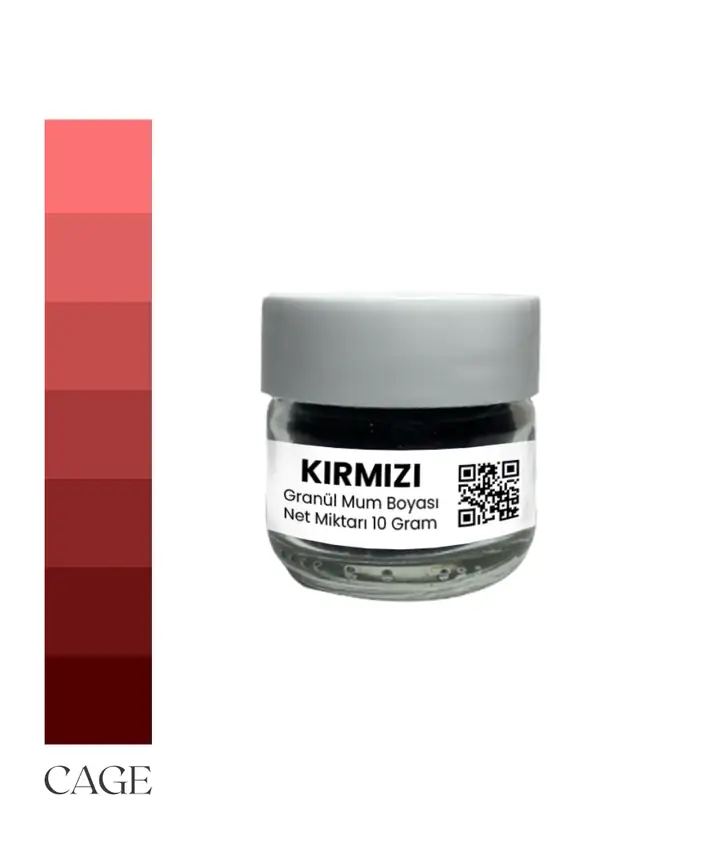 Red Candle Dye GranulesView
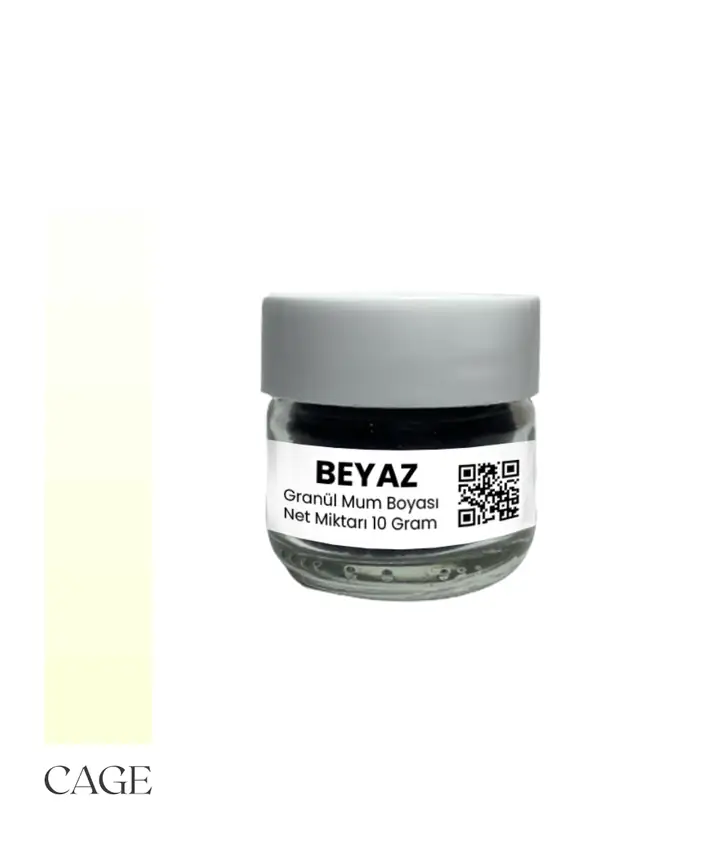 White Candle Dye GranulesView
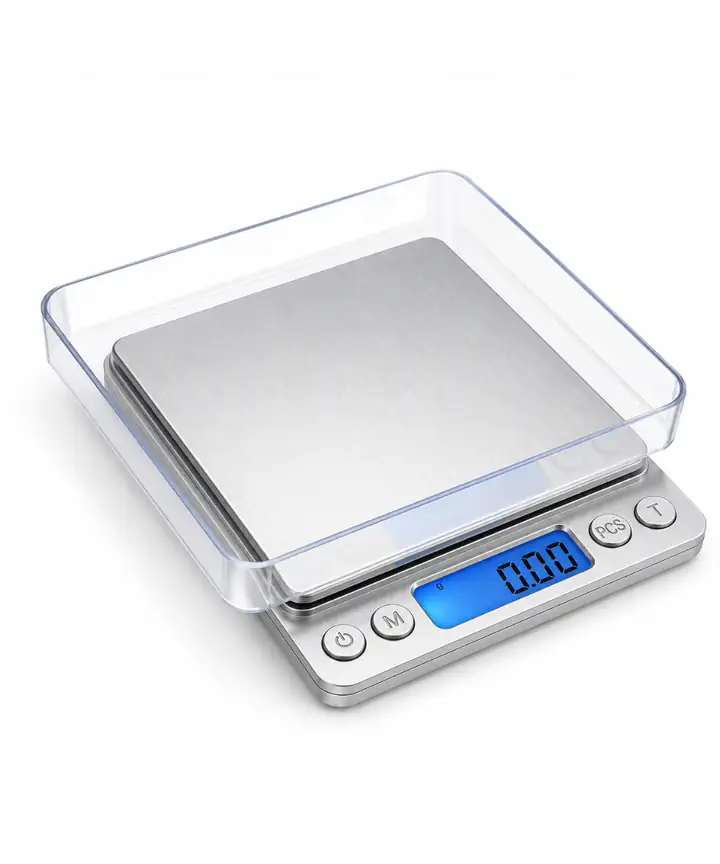 Mini Digital Precision Scale 0.1 g - 2 kgView
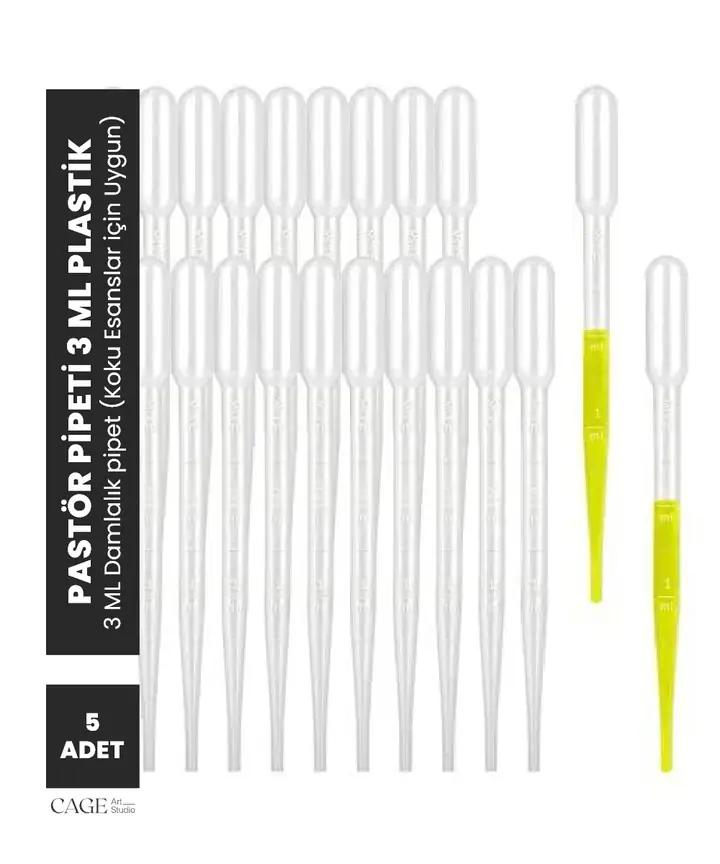 Plastic Pasteur Pipette Dropper 3 mlView
Granules, liquid, powder: which candle dye?
Candle dye dissolves in the wax and colors the candle all the way through; because it can burn, it does not clog the wick. Pigment, on the other hand, is fine particles that do not dissolve in wax; it coats the surface like paint, and as it burns it can build up on the wick and smother the flame. Use pigments only to decorate the outside of a candle.
| Dye | How it works | In candles |
|---|---|---|
| Dye granules | Oil-based, dissolves in wax | Soy wax and paraffin; easy to weigh |
| Liquid candle dye | Oil-based, dosed by drops | Strong in small amounts; note the drop count |
| Powder pigment, mica | Does not dissolve, stays suspended | Only for decorating the outer surface |
| Pastel dye | Contains pigment | Not recommended, clogs the wick |
| Food and soap dye | Water-soluble or pigment-based | Not recommended: does not mix with wax or clogs the wick |
Very little dye is enough in gel candle wax, and the clarity of the gel matters; for gel, see our gel candle guide.
For a pearlescent finish, check our guide to pearl wax, pearlescence and mica in candles for the difference between granular wax and pigment and the limits of use in wicked candles.
Color testing and color mixing
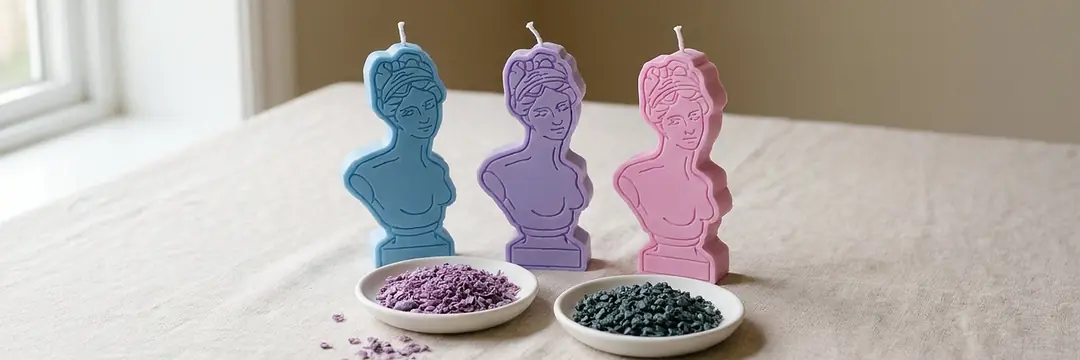
The color you see in a granule is different from the color it takes once melted in wax; melted wax also looks darker than set wax. Before pouring, drip a few drops onto a white plate and look once they set. The same dye looks vivid in paraffin and more pastel in soy wax. Our 11 colors:
| The shade you want | How to get it |
|---|---|
| Pink shades | Red with a little white |
| A shade close to green | Blue with a little yellow |
| Pastel shade | Little dye; lighten with a bit of white if needed |
| Deep, saturated shade | Full amount: 0.7–1 g for 1 kg |
Note the wax, the grams of dye and the fragrance oil ratio; this is the only way to get the same color again. All dyes fade over time, light shades fastest; store candles out of the sun.
If the scent is weak despite correct weight calculations, assess temperature, curing and wick compatibility together in our guide to weak candle fragrance.
Weak scent, sweating candle, color change
Weak scent
The candle sweats, oil on the surface
The color turned yellow or brown
The wick mushrooms and soot appears
Frequently asked questions
How many grams of fragrance oil go into 1 kg of candle?
At 6–10%, which is 60–100 g. Since the fragrance oil saturation of Golden Soya Wax averages 8%, stay between 60 and 80 g in it. The ratio is calculated by wax weight, and the fragrance oil is measured in grams on a scale.
At what temperature do you add candle fragrance oil?
In soy wax at 80–85 °C, after the pot comes off the heat. For dense fragrance oils you can go up to 88 °C. After adding, stir slowly for 1–2 minutes.
How much candle dye do you add?
10 g of dye granules colors about 10–15 kg of wax; 0.7–1 g for 1 kg. For light shades, start with a few granules and increase little by little, watching the color test.
At what temperature do you add candle dye?
Once the wax has fully melted and reached 80–85 °C, before the fragrance oil. Stir until you are sure the granules have melted completely.
What happens if I add too much fragrance oil?
The candle sweats, oil collects on the surface, the wick mushrooms and soot increases. The scent does not get stronger in proportion; do not go above 10%.
Can soap dye or food coloring be used in candles?
We do not recommend it. Water-soluble dyes do not mix with wax, and pigment dyes can clog the wick as they burn. Use an oil-based dye made for candles.
Can essential oil be used instead of candle fragrance oil?
It can be used, but the result is not as predictable as with a fragrance oil made for candles, and you also need to know the IFRA limit of each essential oil separately. The safest choice is an IFRA-certified fragrance oil made for candles.
Can you make candle fragrance oil at home?
The contents and IFRA compliance of home-made blends are unknown, and how they will behave in a candle cannot be predicted. We recommend using ready-made, IFRA-certified candle fragrance oil.
Right measure, right color
IFRA-certified candle fragrance oils, 11 colors of dye granules and a scale with 0.1 g accuracy in a single order.