Why Does My Candle Have No Scent? 9 Causes and Tests
Scented candles may have little scent because of incompatible fragrance and wax, incorrect dosage or addition temperature, insufficient mixing, short curing or a mismatched wick. For example, an 8% load uses 40 g fragrance per 500 g wax, subject to product limits. Allow 1–2 weeks of curing before evaluating scent in soy candles.
In short
- General fragrance range: 6–10%; wax and fragrance limits take priority.
- Grams are not milliliters: for example, 8% for 500 g wax means 40 g fragrance.
- Soy sources recommend gentle mixing for 1–2 minutes.
- A 1–2 week cure is a useful reference for assessing soy fragrance.
- Do not enlarge the wick at random for scent; observe flame and melt pool together.
Why is the candle unscented, and what do symptoms tell you?
First divide “no scent” into two cases. Cold throw is the smell from an unlit candle with the lid open. Hot throw is the scent released while burning. Smelling close to the jar is not the same measurement as scent perceived across a room; comparing unlike conditions can send you toward the wrong fix.
| Symptom | Check first | Initial approach |
|---|---|---|
| Weak both cold and burning | Weights, fragrance suitability and curing | Check the recipe in grams |
| Strong cold, weak while burning | Wick, melt pool, wax compatibility and room | Read burn observations alongside the recipe |
| Surface oil and weak burning | Excess fragrance or poor distribution | Do not raise the ratio; review the formula |
| The same candle differs in another room | Room volume, air movement and test conditions | Reassess in comparable conditions |
This guide diagnoses weak candle scent. For a first recipe, follow scented candle making. Detailed dosage tables are in fragrance and dye ratios. Here we focus on which record points to which problem rather than repeating the full recipe.
Why check fragrance ratio by weight?
1. Fragrance load may be mismeasured
Our general fragrance range is 6–10%. Golden Soy Wax’s description gives an average 8% fragrance load; this does not mean more is always stronger. Both wax capacity and the fragrance’s permitted use limit must be met. An IFRA limit is not a scent-performance target; never exceed a lower applicable limit.
| Wax weight | 8% fragrance by wax weight | Total |
|---|---|---|
| 100 g | 8 g | 108 g |
| 250 g | 20 g | 270 g |
| 500 g | 40 g | 540 g |
For a jar holding 270 g total, an 8% recipe uses 250 g wax and 20 g fragrance. Adding 20 g to 270 g wax is a different recipe. A bottle labeled 20 ml does not mean you have weighed 20 g. This distinction matters especially in small-batch comparisons.
At what temperature should fragrance be added, and how long mixed?
2. Addition temperature does not suit the wax
3. Mixing is insufficient or too vigorous
Soy container guides describe adding fragrance around 80–85 °C. This is not one temperature for gel or every specialty wax. Distinguish addition temperature from pouring temperature. If a product specifies another range, prioritize its instructions; our wax pouring temperature guide separates these stages.
How do curing time and wax type affect scent?
4. The candle was assessed too early
5. Wax type and fragrance compatibility were overlooked
Sources suggest 48 hours before initial soy testing and 1–2 weeks for scent assessment. For paraffin, 3–5 days is common but product-dependent. Do not accelerate curing with excessive heat. A product’s minimum wait and the recommended time for comparative scent tests may serve different purposes.
We do not claim one definitive curing mechanism for all candles; sources acknowledge experience-based recommendations. What helps is comparing samples cured in identical conditions. See the soy wax types table for Golden versus Pillar.
Why do the wick and room conditions change scent?
6. The wick does not form a sufficient, balanced melt pool
7. Room and airflow alter the comparison
A pool reaching the edge does not alone make a test successful. If there is a large flame, soot or inappropriate container heating, stop assessing scent and extinguish. A larger wick is not the answer to every weak scent. Selection and observation are covered in how to choose a candle wick.
Why do fragrance quality and the jar lid matter?
8. The fragrance’s purpose or documentation is unclear
9. Storage and lid conditions changed
IFRA pages give fragrance-use information, not wax purity certification. For example, read the Lavender IFRA page for the corresponding fragrance. Distinguish the candle-use category from the wax’s carrying capacity. A permitted maximum is not necessarily the ratio that produces the strongest scent.
A lid cannot correct a wrong ratio or poor mixing; it helps keep storage consistent. Finish the wax’s cooling process before closing a warm candle. Focus on suitability for candles, a measurable recipe and balanced burning rather than health or relaxation promises about scent.
How do you conduct a scent burn test?
- 1
Record the recipe
Record wax type, wax and fragrance weights, addition temperature, mixing time, pouring date, vessel and wick. Change only one variable per comparison.
- 2
Allow sufficient curing
Sources give 48 hours as the minimum before initial soy testing and 1–2 weeks for scent assessment. Prioritize your wax’s instructions.
- 3
Prepare the burning area
Place the candle on a stable, heat-resistant surface, at least 30 cm from flammable objects. Keep away from children, pets and drafts. Trim a cotton wick to about 5–6 mm.
- 4
Observe flame and melt pool together
Record flame, soot, wick condition and melt pool alongside scent. Do not accept an overheating vessel or unstable flame for better scent; extinguish if there is a clear problem.
- 5
Compare without exceeding time limits
Follow any shorter product limit; do not burn longer than 4 hours at once. Cool at least 2 hours before relighting. Compare in the same room under similar conditions; one test does not replace assessment across the full candle life.
Keep one sample as the reference in your first controlled comparison. In the next sample, change only the ratio, wick or curing time; changing all at once obscures cause and effect. If weak scent comes with sinking, sweating or tunneling, use the relevant section of our candle-making troubleshooting guide.
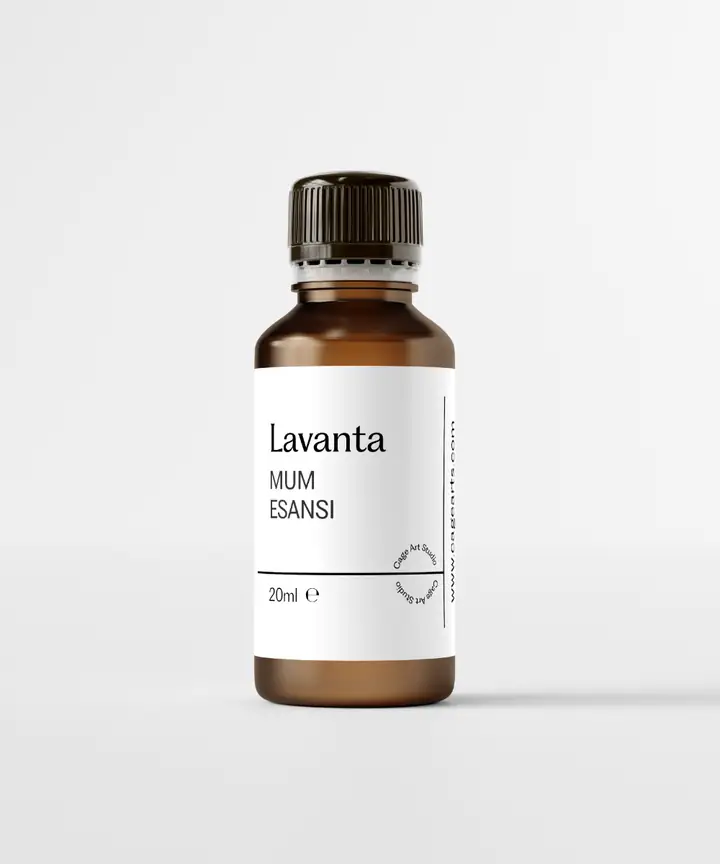 Lavender Candle Fragrance OilView
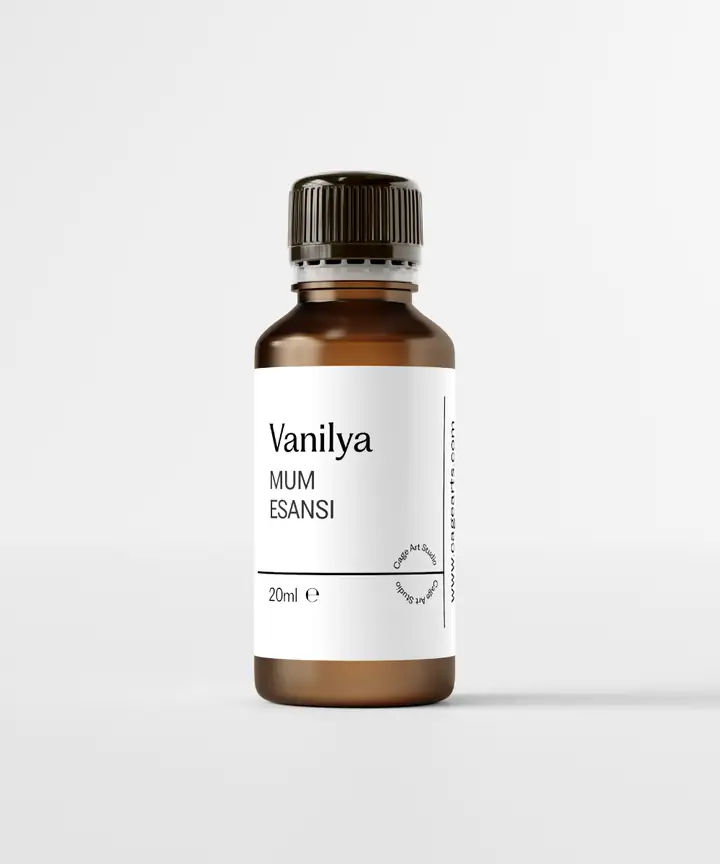 Vanilla Candle Fragrance OilView
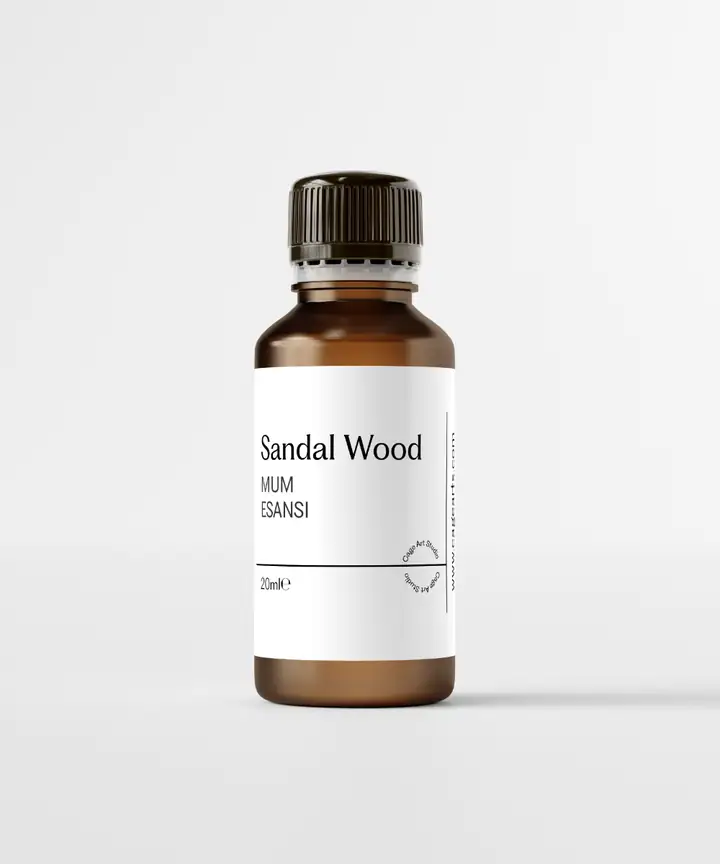 Sandalwood Candle Fragrance OilView
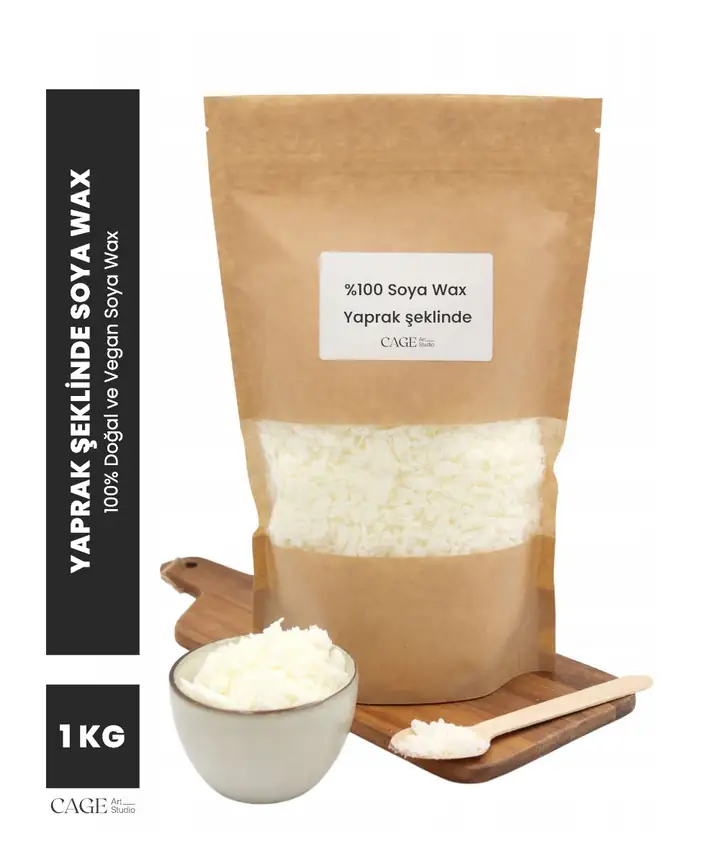 Golden Soya Wax 1 kg (Leaf Shape)View
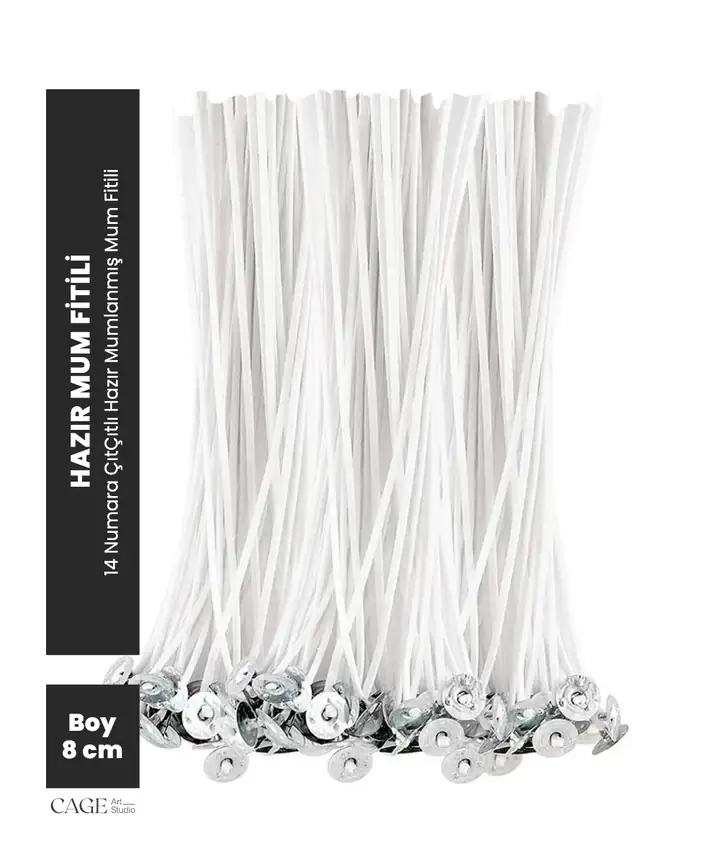 Ready-Made Pre-Tabbed Candle Wick 8 cmView
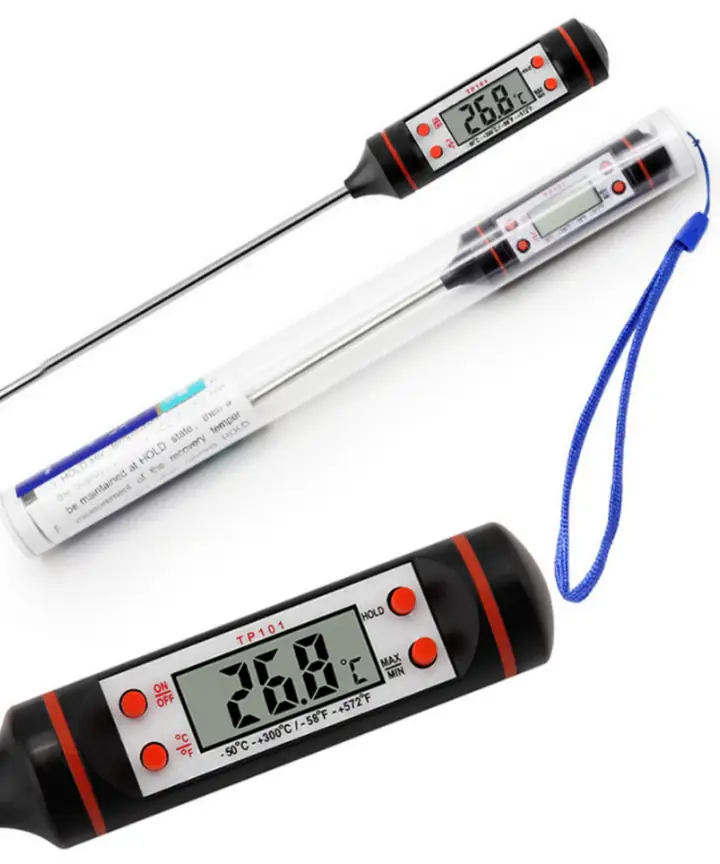 Digital ThermometerView
What are common questions about candles with weak scent?
Why does a scented candle have no scent?
Check fragrance weight, addition temperature, mixing, curing and wax–wick compatibility together. If it smells cold but weak while burning, inspect the melt pool and test conditions especially.
Should you add more fragrance if the scent does not last?
Not automatically. Although our general range is 6–10%, wax capacity and permitted fragrance use take priority; excess can cause sweating and burning problems.
How many grams of fragrance per 100 g wax?
At 6–10% of wax weight, use 6–10 g. For example, 8% means 8 g per 100 g wax; this is not a suitable-dose guarantee for every wax and fragrance.
At what temperature do you add fragrance oil?
Soy container guides give roughly 80–85 °C, not a universal instruction for all waxes. Follow your wax and fragrance data, remove from heat and mix gently for 1–2 minutes.
How long should soy candles cure?
Sources recommend at least 48 hours before initial testing and 1–2 weeks for scent assessment. Solidifying is not the same as being ready for fragrance evaluation.
What is the difference between cold and hot throw?
Cold throw is the smell of an unlit candle; hot throw spreads while burning. Strength in one does not guarantee the other; the wick and melt pool also affect hot throw.
Choose materials that suit your project
Choose molds, wax and accessories for your intended use, and record the first sample’s results as you go.