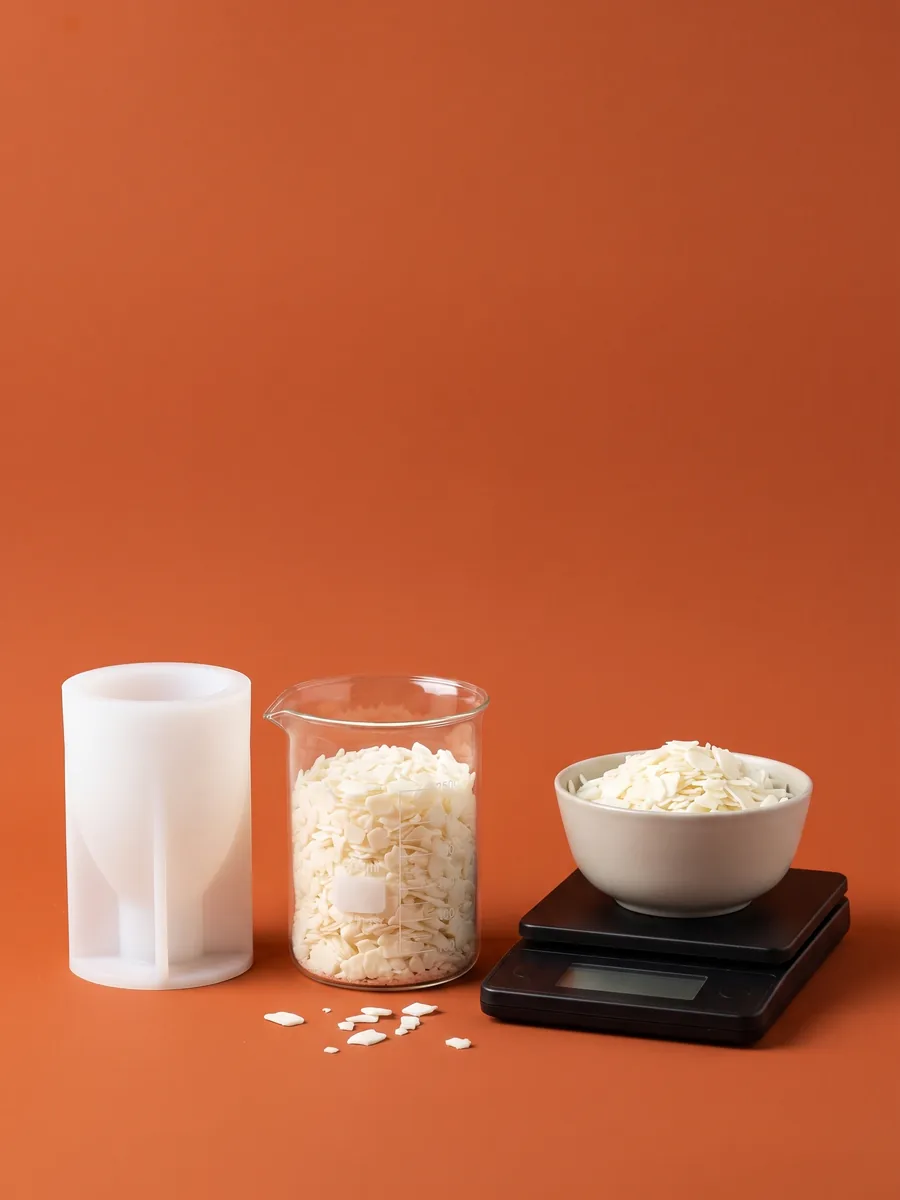
What Are Candles Made Of? 5 Material Groups and Components
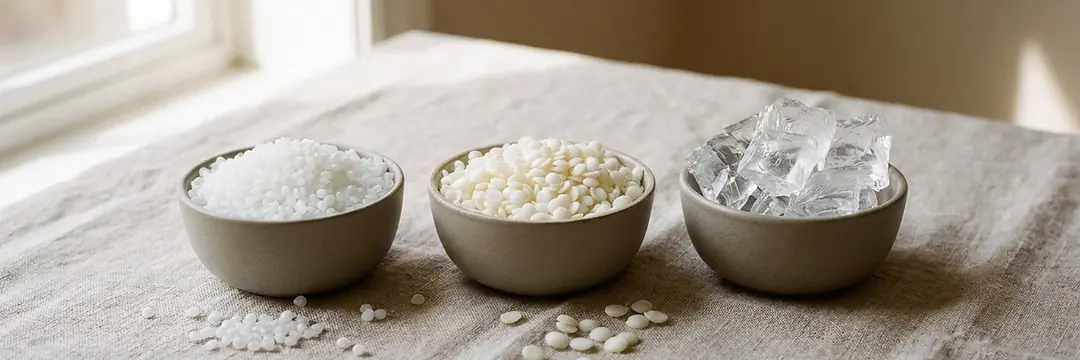
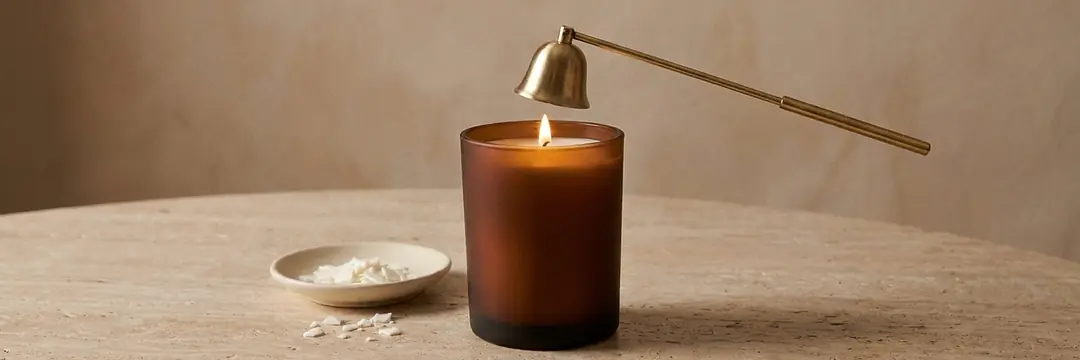
Candles are made of wax as fuel and a wick that carries it to the flame, with optional fragrance and dye. Options include paraffin, soy wax, beeswax, gel and blends. Pillar Soy Wax usually pours into molds at 55–65 °C, or up to 70 °C if the room is cold; choose each material’s application and temperature according to its product information.
In short
- Wax provides fuel; the wick carries melted fuel to the flame.
- The 5 material groups do not all use the same container, mold or pouring method.
- Pillar Soy Wax pours into molds at 55–65 °C; Golden is for container candles.
- Our gel melts at 90–95 °C; distinguish melting from pouring.
- Fragrance and dye are optional; candle suitability and weighing in grams matter.
What ingredients are in a candle?
A candle’s appearance is easier to recognize than its formula. A white candle may contain soy wax, paraffin or a blend. Transparency suggests gel, but only the description identifies the composition. Color, scent and surface shine alone do not confirm the raw material.
The candle’s main body and fuel. Soft container formulas and hard demolding formulas serve different purposes.
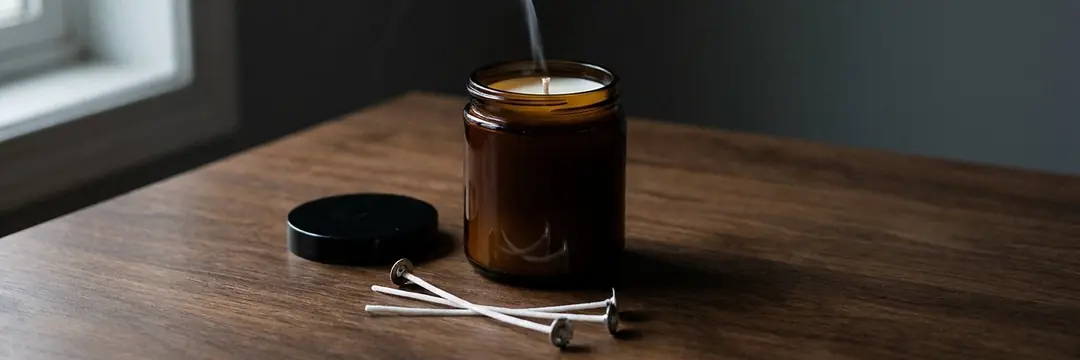
Carries melted fuel to the flame. Test string or wooden wicks with the wax, container diameter, dye and fragrance.
Adds scent. Verify candle suitability; bottle volume is not automatically the gram amount in a formula.
Adds color. Choose a dye made for wax; not every decorative pigment suits a burning candle.
The jar, metal wick tab and label are other parts of the finished product, excluded from net wax weight. A silicone mold is a production tool and does not remain in a molded candle. This distinction helps you list materials and calculate candle yield correctly.
How do wax materials and pouring temperatures compare?
| Raw material | Origin and appearance | Suitable applications | Pouring guidance | Store option |
|---|---|---|---|---|
| Paraffin Wax | Petroleum refining; usually white and opaque. | Containers or molds, depending on grade. | Pellets: about 70 °C; published pillar examples: 77–82 °C. | Boncuk Parafin, Yerli Parafin A Kalite |
| Soy wax | Processed soybean oil; creamy and opaque. | Soft formula for containers, hard formula for molds. | Pillar: 55–65 °C; guide starting range for Golden: 55–60 °C. | Golden Soya Wax, Pillar Soy Wax |
| Beeswax | Wax made by bees; color varies with processing. | Candle projects appropriate to the product. | No single pouring range is given; a product data sheet is needed. | No product link is suggested in this table. |
| Gel candles | Mineral oil and polymer; transparent gel. | Transparent candle in suitable glass. | Published range: 85–95 °C; product instructions take priority. | Gel Candle Wax |
| Blends | More than one wax or a formula-compatible additive. | A specific container, mold or surface goal. | Follow the blend’s data sheet; no universal range. | Formula-compatible additive: stearic acid |
These values are not one universal recipe. The roughly 70 °C application temperature for paraffin pellets comes from our product, while the pillar range comes from other manufacturers’ examples. Melting, fragrance addition and pouring temperatures are not interchangeable.
The Amerikan Soya Wax description allows container and pillar use but gives no pouring temperature, so we do not assign an exact value. See the candle pouring temperature table for distinctions and source notes; follow your product’s instructions first.
How are paraffin, soy wax and gel made?
ExxonMobil explains that paraffin comes from refining wax fractions separated during petroleum processing. Refining and deoiling change its properties. When buying candle paraffin, application grade and specifications matter as much as physical form; see what is paraffin for details.
CandleScience explains that oil extracted from soybeans is hydrogenated to make soy wax. This makes it solid at room temperature. Soy origin does not mean every package has the same hardness or formula; soy wax types explains container and mold selection.
Beeswax is a separate bee-derived material; calling soy wax ‘soy beeswax’ can blur that distinction. Gel is an oil-and-polymer system unlike conventional solid wax. Choose gel-compatible fragrance, dye and containers; transparency is not a reason to place any decoration inside.
Do not guess a wax blend’s composition. A label saying only ‘plant-based’ or ‘candle wax’ does not identify a suitable container. Read the description, instructions and data sheet together; choose an application-specific formula instead of adding random ingredients to unidentified material.
How does a candle burn and why does it shrink?
NCA explains that the flame first melts surrounding wax. Liquid wax rises through the wick, vaporizes in the flame’s heat and feeds combustion. Wax is therefore the main fuel. The melt pool supplies the wick with fuel; it is not simply a region where material disappears.
The entire candle body does not burn at once. Its mass decreases as fuel reaches the flame and is consumed. Some melted wax solidifies again after extinguishing, so melt-pool size alone cannot show grams consumed. Use the difference between cooled weighings to calculate burn time.
See how to choose a candle wick for wick function and how long a candle burns for measuring consumption. A wax type’s name alone cannot justify a fixed burn-time promise.
How are factory-made and handmade candles produced?
Candle-machine manufacturer Herrhammer describes separate systems for melting, wicking, pressing, molding, container filling and dipping. This shows that factory candles are not all made solely by pouring liquid wax. The method depends on product shape and production setup; no single method explains every candle.
Home workshops commonly melt suitable wax and pour it into a prepared container or mold. Small batches are weighed and temperature-checked manually; factories may use machines. Handmade production alone does not prove a particular composition, longer burn or flawless result.
| Stage | Small-workshop checks | Production-line checks |
|---|---|---|
| Material preparation | Weigh the formula and record products. | Maintain the same formula throughout the batch. |
| Shaping | Prepare the container or mold and pour. | Choose the appropriate filling, molding or pressing method. |
| Final checks | Inspect appearance and test burning. | Track consistent properties between batches. |
At any scale, assess wax, wick and shape together. A fragrance or container change may require another test. See candle making at home for a first project and the candle-making kit guide to compare prepared supplies.
What are candles used for and which wax should you choose?
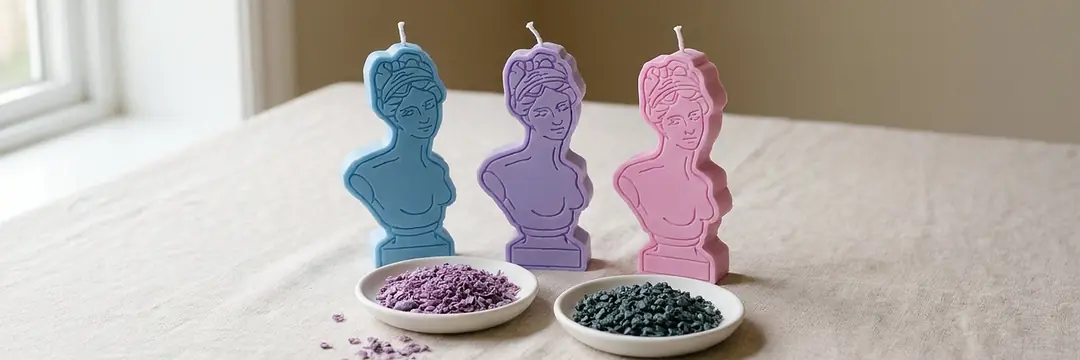
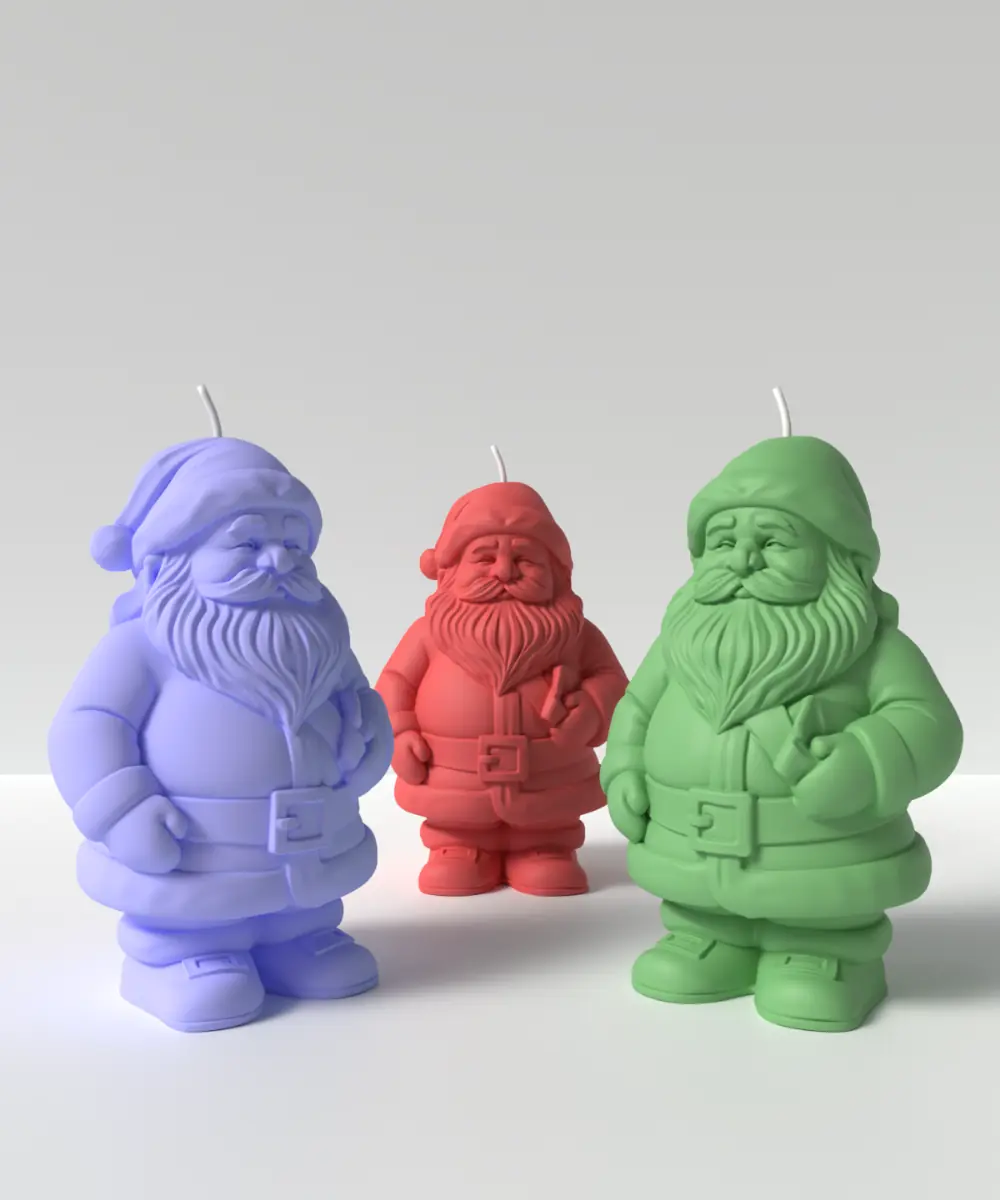
Candles provide light, decoration and, with fragrance added, scent. A sculptural candle can also be displayed as an ornament; burning it requires a suitable holder and instructions. Choosing a scent is an aesthetic preference, not a promise of health or treatment benefits.
Choose container wax for a jar and mold wax for a freestanding figure. Read the gel guide for transparent work. Focus on intended use, specifications and tests instead of the word ‘natural’ alone. Health-related questions are covered separately in our scented-candle discussion.
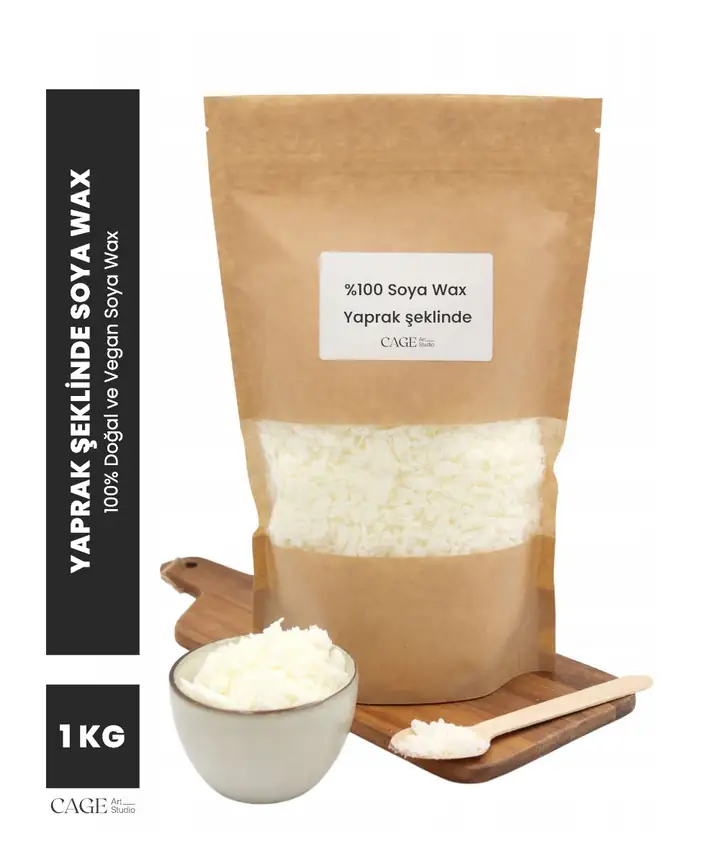 Golden Soya Wax 1 Kg (Yaprak şeklinde)View
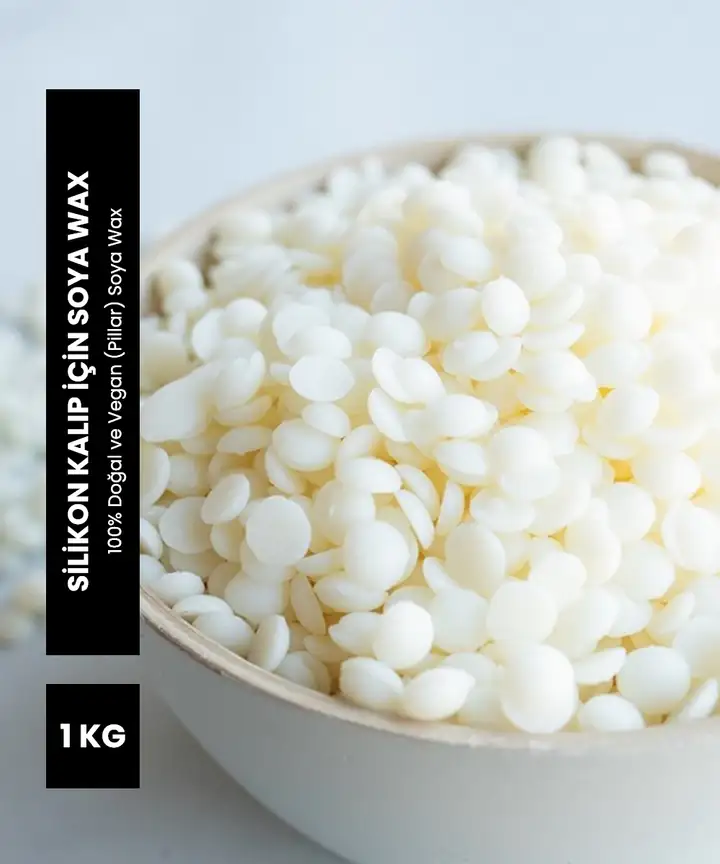 Silikon Kalıp İçin Soya Wax 1 Kg (Pillar Soy Wax)View
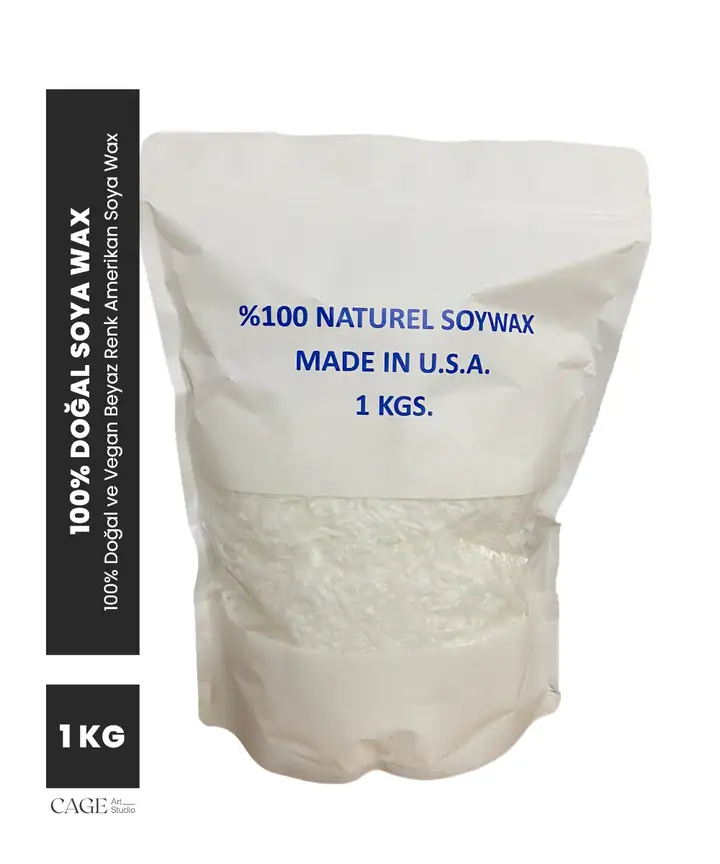 Amerikan Soya Wax %100 Natural 1 KgView
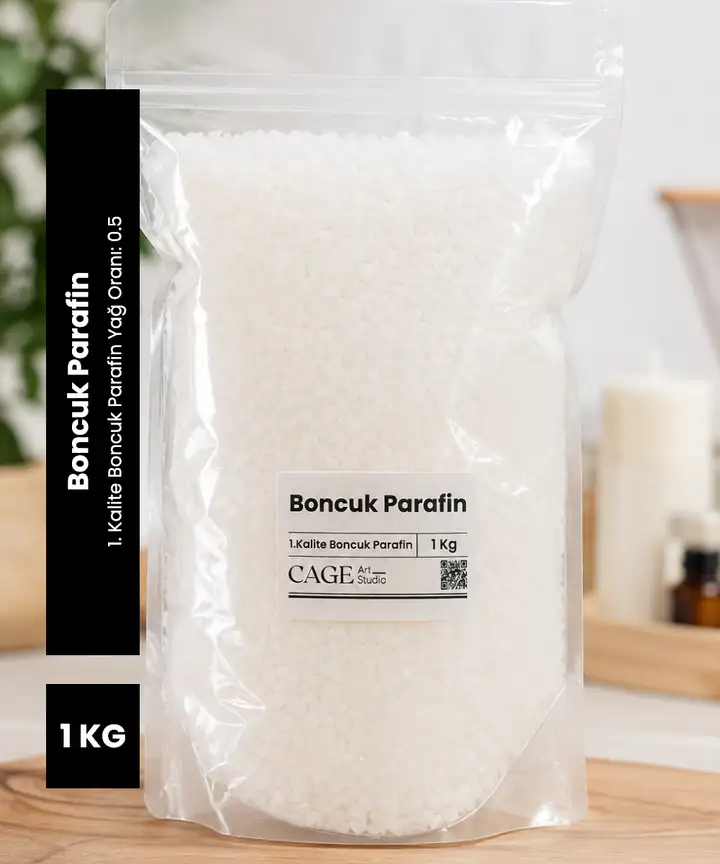 Boncuk Parafin 1 kgView
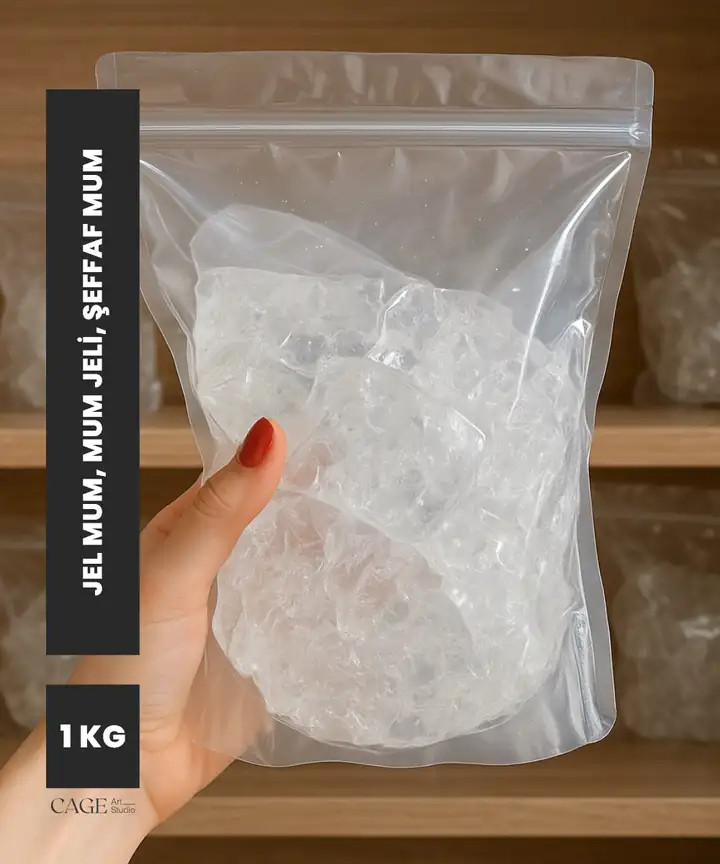 Jel Mum 1 KgView
The store’s stearic acid is an additive for suitable paraffin formulas, not an automatic addition to every wax. Read the stearic acid guide before changing a blend. More additive does not universally mean a better candle.
Frequently asked questions
What are candles made of?
A candle contains wax as fuel and a wick to carry it to the flame. Paraffin, soy wax and beeswax are common materials; candle-compatible dye and fragrance may be added for color and scent.
What kind of substance is a candle?
Its body is usually wax or a wax blend, solid at room temperature and melting with heat. A finished candle need not be one pure substance: it may also contain a wick, dye and fragrance.
Are candles made from petroleum?
Paraffin comes from petroleum refining. Soy wax comes from soybean oil and beeswax from bees. Petroleum is therefore not the raw material of every candle; read the composition.
Is candle gel the same as soy wax?
No. Candle gel uses mineral oil and polymer. Its transparency and working conditions differ; our gel product lists a melting range of 90–95 °C.
Are fragrance and dye required?
No. Candles can be unscented and uncolored. If used, choose candle-specific products and weigh amounts according to wax and fragrance instructions; do not use random powders for coloring.
Is soy wax for molds or jars?
It depends on the formula. Pillar Soy Wax is offered for mold pouring at 55–65 °C; Golden Soya Wax is for containers. The word soy alone does not indicate mold suitability.
Choose materials for your project
Compare product descriptions and instructions before preparing your test pour.