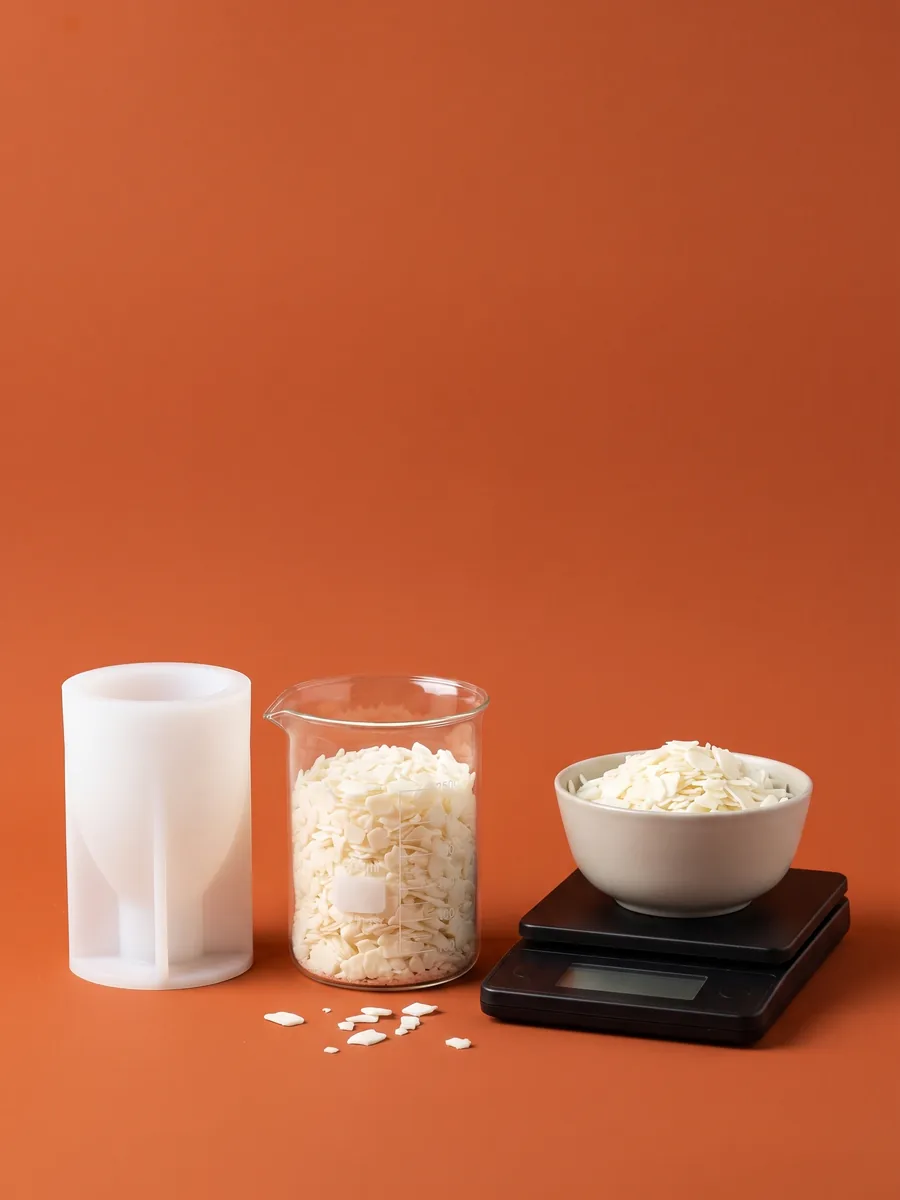
Selling Homemade Candles: Costs, Pricing and Taxes
Making and selling candles at home can grow into a small but steady business if the math is right. In this guide we work out the real cost of one jar candle at our October 2026 prices, and walk you through the pricing formula by profit margin, wholesale and marketplace math, label warnings, and where to start with taxes.
In short
- At our October 2026 prices, the materials for a 150 g glass jar candle come to ≈ 196 TL, or ≈ 170 TL when bought in bulk.
- In this example, 47% of the cost is the glass jar: choosing the container is the decision that affects your cost the most.
- Pricing formula: price = cost ÷ (1 − profit margin). Adding 40% to your cost leaves you with about a 29% margin, not 40%.
- The wholesale price is 2–3 times your cost; set aside 15–25% up front for platform commission.
- The label needs the product name, net weight, manufacturer, warnings and, where required, fragrance allergen information.
- Taxes: the small tradesman exemption in Article 9 of the Income Tax Law covers some home producers; the conditions change, so ask a financial advisor and the GİB.
In this guide
- Before you sell: product and testing
- How much does one scented candle cost to make?
- How do you price handmade candles?
- Wholesale price and marketplace commission
- Where to sell: Instagram, your own website, marketplaces
- What should a candle label say?
- Is there a tax exemption for candles made at home?
- Frequently asked questions
Before you sell: product and testing
Before you start selling, make sure your product comes out the same every time. A customer who likes one candle and buys a second expects the same scent and the same burn.
Test every formula (wax, fragrance oil and its ratio, dye, wick, container) with a full burn test. If any one of the components changes, repeat the test.
Wick selectionWeigh the wax, fragrance oil and dye in grams, and note each batch's recipe and batch number. The batch number on the label ties back to this record.
Start with a few containers and a few scents. A small range makes bulk buying and stock tracking easier.
If you have never made a candle, start with our guides making candles at home and how to make a soy candle.
How much does one scented candle cost to make?
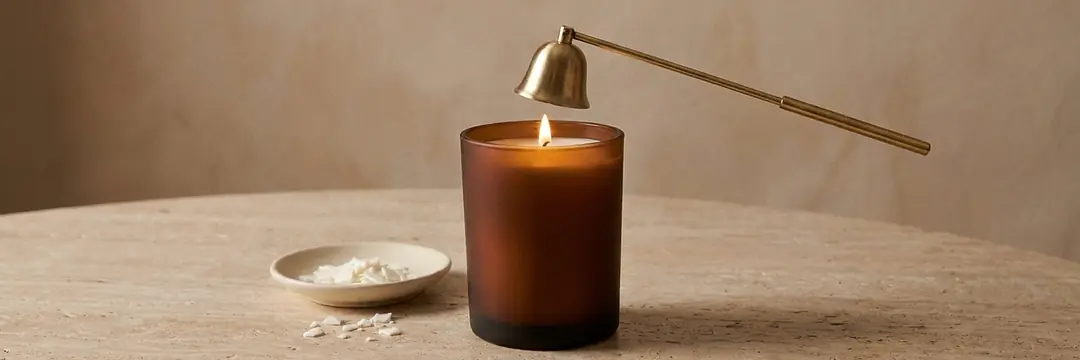
The example below was calculated with the prices on our site in October 2026. Prices change, so update the math with your own purchase prices. Example product: a 150 g frosted amber glass jar candle poured with Golden Soya Wax, 8% lavender fragrance oil and an 8 cm pre-tabbed wick. A 150 g total candle takes 139 g of wax and 11 g of fragrance oil (total ÷ 1.08 = wax).
| Item | Small pack | Per candle | Bulk pack | Per candle |
|---|---|---|---|---|
| Golden Soya Wax, 139 g | 1 kg · 399 TL | 55.46 TL | 25 kg · 9,499 TL | 52.81 TL |
| Lavender Candle Fragrance Oil, 11 g (≈ 11 ml) | 100 ml · 409 TL | 44.99 TL | 1,000 ml · 3,279 TL | 36.07 TL |
| Frosted amber candle glass, 150 g | 10 pcs · 929 TL | 92.90 TL | 100 pcs · 7,899 TL | 78.99 TL |
| Pre-tabbed candle wick, 8 cm | 25 pcs · 69 TL | 2.76 TL | 1,000 pcs · 2,199 TL | 2.20 TL |
| Materials total | 196.11 TL | 170.07 TL |
To keep the math simple, we counted 1 g of fragrance oil as 1 ml; fragrance oils differ in density, so correct it by weighing your own bottle. Small items such as wick stickers, and the shipping cost of the materials, are not in the table (shipping is free on orders over 2,500 TL).
A molded candle has no container. A candle of about 47 g poured in the Mini Bubble Candle Mold takes 43.5 g of Pillar Soy Wax (1 kg is 439 TL: 19.10 TL), 3.5 g of fragrance oil (14.32 TL) and a 10 cm pre-waxed wick including trimming allowance (10 m is 49 TL: 0.49 TL); the materials come to about 33.91 TL. You buy the mold once; divide its price by the number of candles you pour and add that to the cost.
Costs that are not in the table: labels, boxes or packaging, shipping boxes and filler, test candles, electricity, your share of equipment such as the thermometer, scale and melting pot, and most importantly your labor. Work out labor like this: divide the hourly rate you set for yourself by the number of candles you prepare in an hour. CandleScience also recommends factoring in sales platform commission from the very start.
How do you price handmade candles?
Don't set the price by thinking "let me add a little on top of cost." Work backward from the profit margin you want:
Profit margin shows what percent of the selling price stays with you. It is not the same as adding a percentage to your cost: if you add 40% to a 250 TL cost, the price is 350 TL, but the 100 TL you keep is only 28.6% of the price. For a true 40% margin you need to charge 250 ÷ 0.60 = 416.67 TL.
Our materials total was 196 TL. You know where your total cost will land once labels, packaging, labor and overhead are added; the table shows the price for three example total costs:
| Total cost | 40% margin | 50% margin | 60% margin |
|---|---|---|---|
| 200 TL | 333.33 TL | 400 TL | 500 TL |
| 250 TL | 416.67 TL | 500 TL | 625 TL |
| 300 TL | 500 TL | 600 TL | 750 TL |
A 50% margin means exactly 2 times your cost. Every extra 10 TL of cost adds 20 TL to the price at a 50% margin and 25 TL at a 60% margin.
After you set the price, look at the market price of similar products. If the formula gives a price well above the market, first look for ways to lower your cost: bulk buying, a more economical container, or molded candles.
Wholesale price and marketplace commission
If you will sell in bulk to shops or cafés, your pricing has two tiers. The convention is to set the wholesale price at 2 times your cost; CandleScience recommends 2.5–3 times to leave room for promotions. Stores usually sell what they buy wholesale for at least 2 times that price.
This has an important consequence: if you plan to sell wholesale, keep the retail price on your own channel close to the store's selling price. Otherwise you compete with the store that buys from you by selling the same product cheaper.
Marketplaces and sales platforms take a commission on every sale. Build the commission into the formula instead of subtracting it later: price = cost ÷ (1 − margin − commission).
| Sales channel | Math | Price at a 250 TL cost |
|---|---|---|
| Your own site or Instagram, 40% margin | 250 ÷ 0,60 | 416.67 TL |
| Platform, 15% commission and 40% margin | 250 ÷ 0,45 | 555.56 TL |
| Platform, 25% commission and 40% margin | 250 ÷ 0,35 | 714.29 TL |
| Wholesale, 2 times your cost | 250 × 2 | 500 TL |
| Wholesale, 2.5–3 times your cost | 250 × 2,5–3 | 625–750 TL |
Check the platform's current commission rate for your own category; 15–25% is the share CandleScience recommends setting aside up front for platform commissions. Materials are usually the biggest expense item, and buying fragrance oil and jars in bulk improves your margin directly. In our example, bulk buying cut materials by 13%.
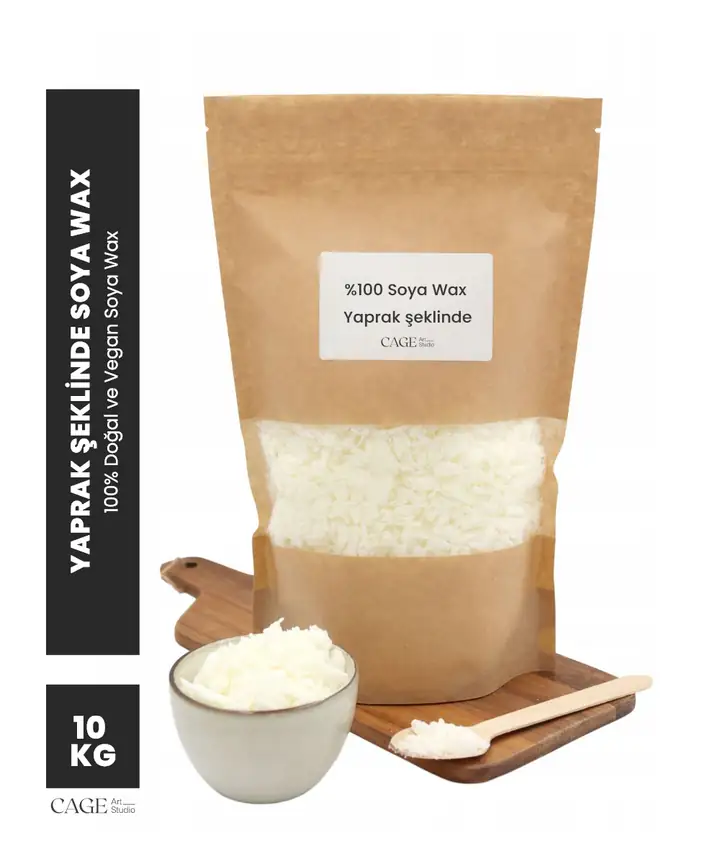 Golden Soya Wax 10 kg (Leaf Shaped)View
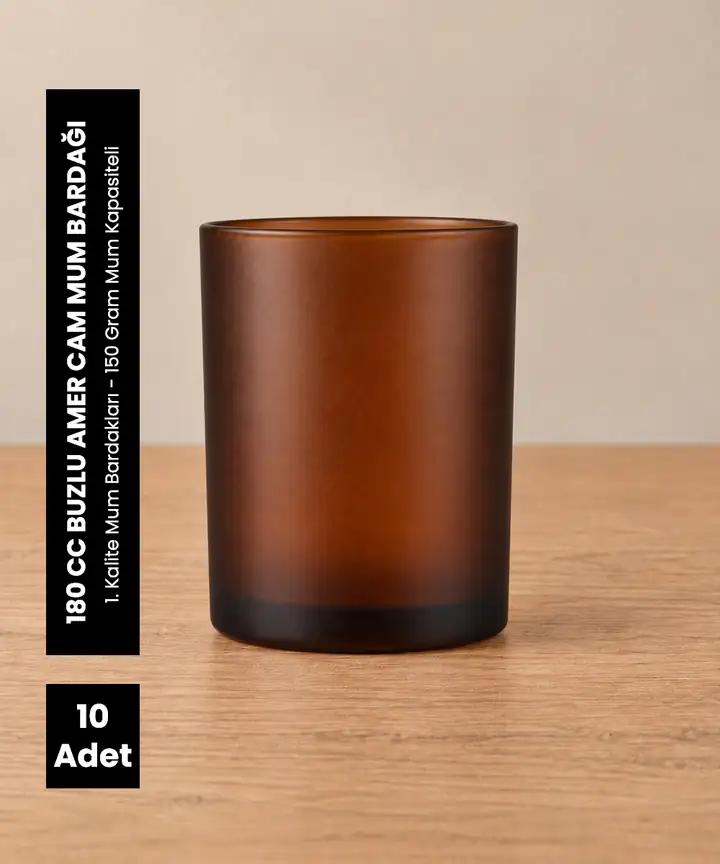 Frosted Amber Candle Glass, 150 g Wax CapacityView
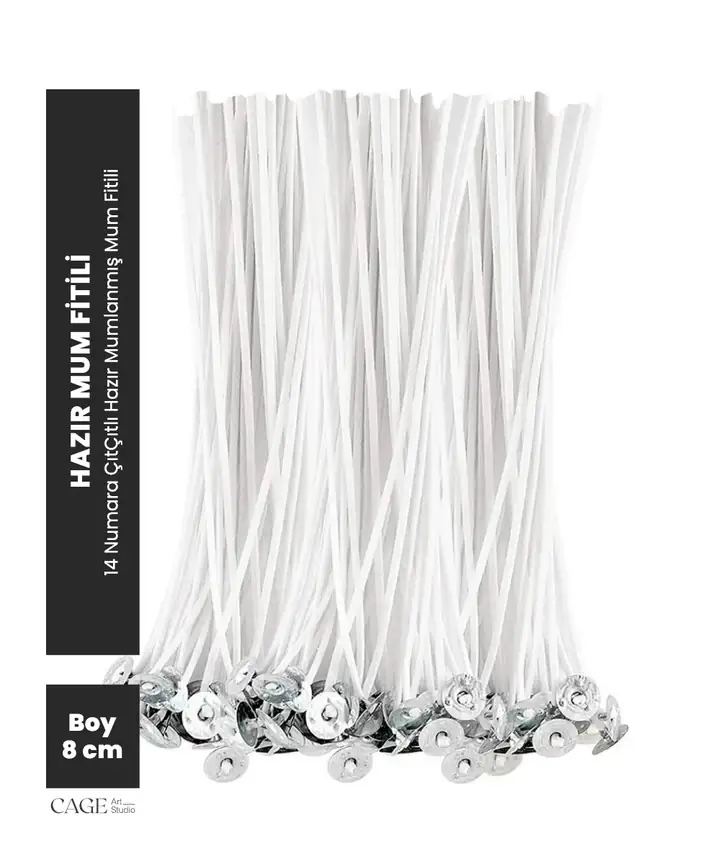 Ready-Made Pre-Tabbed Candle Wick 8 cmView
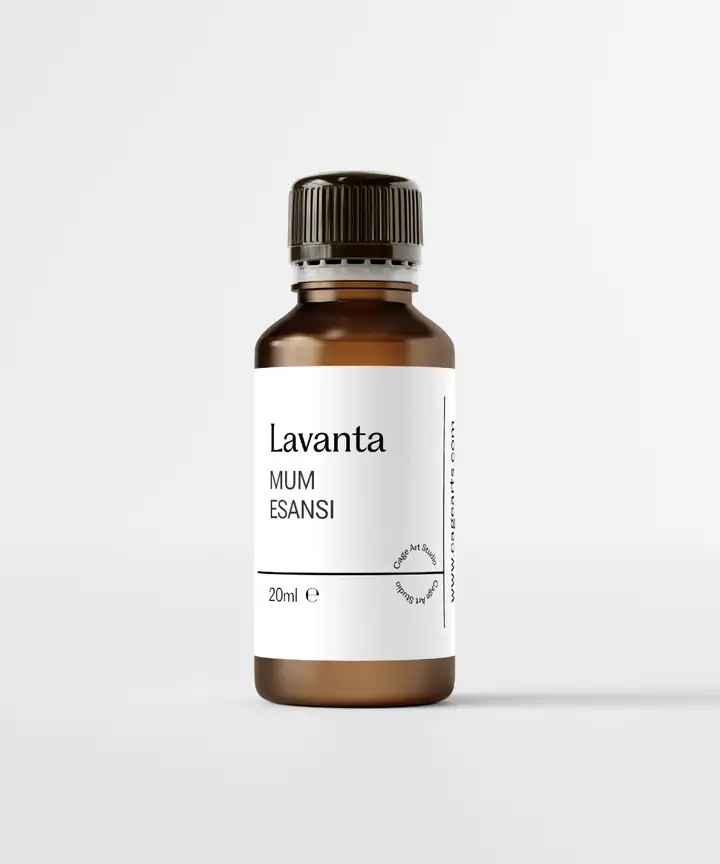 Lavender Candle Fragrance OilView
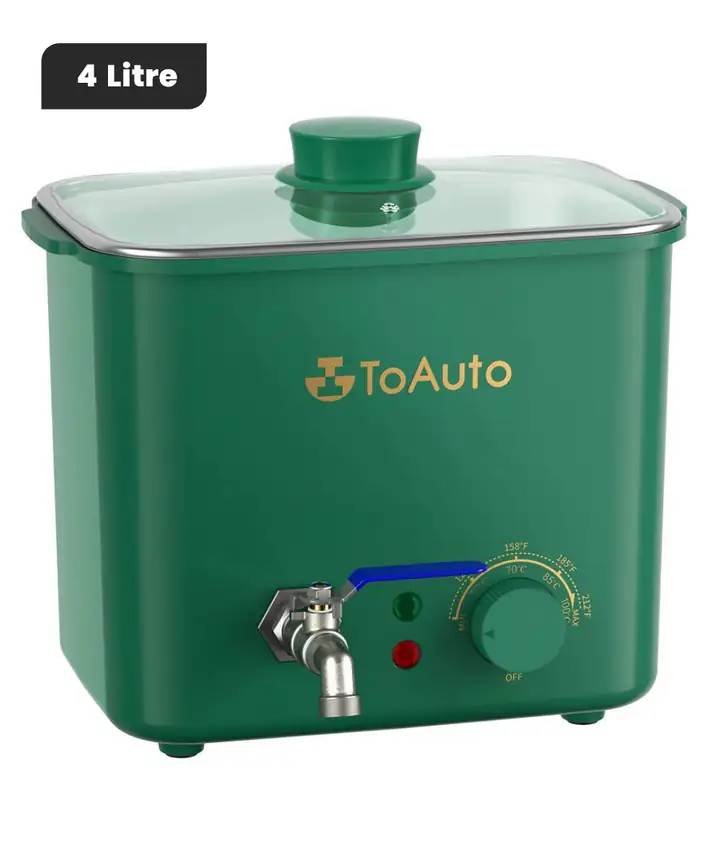 Wax Melting Pot 4 LView
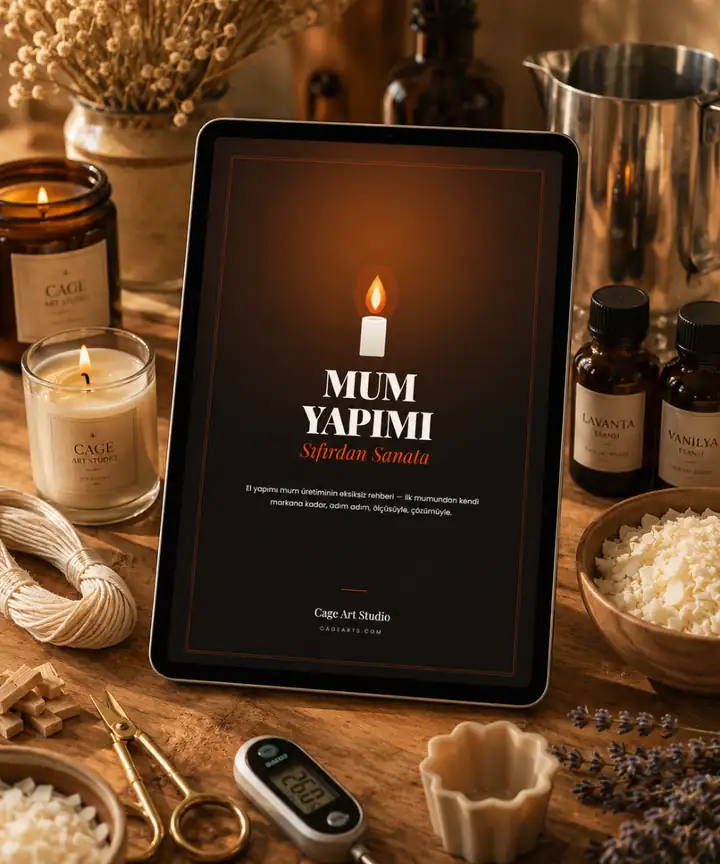 Candle Making E-Book | From-Scratch Candle Making and Selling GuideView
Where to sell: Instagram, your own website, marketplaces
Every sales channel has different costs and rules. Most makers use several channels together:
There is no platform commission, but payment processing and shipping costs are yours, and you find the customer yourself. Clear photos, a burn video and an open price build trust.
They offer ready-made traffic and take a commission on every sale in return. Set your price with the commission formula and read the category rules.
When you sell abroad, the rules of the buyer's country apply. In the EU, for example, candles and wax melts need a CLP label if the fragrance allergens exceed the thresholds.
Many pieces in one order, a lower unit price. Calculate the wholesale price as 2–3 times your cost.
Packaging and shipping
Wrap glass jars one by one and place them in the box so they can't move around. Package wax melts only after they have fully set and rested. Stick the label on firmly; the warning label usually goes on the bottom of the jar, and for wax melts inside the lid of the box. For gift ideas see our candle gift ideas guide, and for a wickless product, our wax melt guide.
What should a candle label say?
A label informs the customer and also protects you. Rules differ by country; the structure below follows the logic of ASTM F2058 in the US and EN 15494 in Europe. Check the current requirements in Turkey before you start selling.
- Product name
- Scented candle, wax melt
- Net weight
- Wax, fragrance oil and dye only
- Manufacturer
- Name and address
- Batch no.
- Tied to your recipe record
- Optional
- Wax type, scent notes
- Signal word
- WARNING
- In writing
- Never leave a burning candle unattended
- Text or symbol
- Keep away from flammable items
- Text or symbol
- Keep out of reach of children
- Use
- Trim the wick to 0.5 cm and burn for no more than 4 hours at a time
Under ASTM F2058, the warning "never leave a burning candle unattended" must appear in writing; for the other two warnings, the free downloadable symbols from the National Candle Association can be used. The container and the wick are not counted in the net weight.
Fragrance allergens: CLP and SEA
Wax is not classified as hazardous on its own; the labeling requirement comes from certain fragrance components (skin sensitizers) in the fragrance oil. Under the EU's CLP rules, the thresholds are calculated against the whole candle:
| Share in the candle | What goes on the label? |
|---|---|
| A sensitizing component above 0.1% (0.01% for those in subcategory 1A) | The component's name and a warning that it may produce an allergic reaction (EUH208) |
| Total of sensitizers above 1% | The exclamation mark symbol, the signal word "Warning", H317 (may cause an allergic skin reaction) and the relevant components |
The math is simple: a component that makes up 1% of the fragrance oil drops to 0.1% in a candle with 10% fragrance oil. You get the component percentages from your fragrance oil supplier's safety data sheet (SDS). Turkey's SEA Regulation is aligned with the EU CLP (Official Gazette, December 10, 2020, issue 31330). Check the current version of the rules before selling, and get help from a consultant if needed.
Each of our fragrance oils has an IFRA certificate page (for example Lavender IFRA). Candles and wax melts fall under IFRA Category 12; do not exceed the upper limit on the certificate. For the waxes: Golden Soya MSDS, Pillar Soy Wax MSDS.
Is there a tax exemption for candles made at home?
This section is meant as a pointer; it is not tax or legal advice.
Article 9 of the Income Tax Law regulates the small tradesman exemption, which exempts some small producers who meet certain conditions from income tax. Some people who make and sell handmade products at home may benefit from this exemption. Because the scope of the exemption, the conditions on how you produce and sell, and the amount limit that is updated every year can change, we don't give figures here. The steps you should take:
- 1
Read the conditions from the official source
Check the current explanations on the small tradesman exemption and the amount limit on the official pages of the Revenue Administration (GİB).
- 2
Talk to a financial advisor
Your sales channel, your expected sales amount and your wholesale plan decide whether the exemption suits you. If you fall outside the exemption, work out together which tax status is appropriate.
- 3
Keep your records in order
However you sell, keep your purchase invoices and your sales records. Your cost calculation also rests on these records.
- 4
Reflect tax in your price
Your tax status affects whether VAT is added to your selling price and how much you keep. Set up the pricing formula accordingly.
If you sell online, distance selling rules that protect consumers and the protection of personal data also come into play; check the current versions of these from official sources too.
Frequently asked questions
Is selling homemade candles profitable?
Your profit depends on pricing from a cost that covers all of your expenses. In our example, the materials for a 150 g jar candle come to about 196 TL at October 2026 prices; if you want a 50% margin, the price should be 2 times your total cost.
How much does one scented candle cost to make?
At our October 2026 prices, a 150 g frosted amber glass jar, Golden Soya Wax, 8% fragrance oil and a pre-tabbed wick come to about 196 TL in materials, or about 170 TL when bought in bulk. Labels, packaging and labor are extra.
How do you price handmade candles?
Price = total cost ÷ (1 − profit margin). With a 250 TL cost and a 40% margin, the price is 416.67 TL. Adding 40% to your cost leaves you with only about a 29% margin.
How do you set a wholesale candle price?
The convention is 2 times your cost; CandleScience recommends 2.5–3 times to leave room for promotions. Stores usually sell what they buy wholesale for at least 2 times that price.
Is there a tax exemption for candles made at home?
The small tradesman exemption in Article 9 of the Income Tax Law may cover some home producers. Because the conditions and the amount limit change, get current information from the Revenue Administration (GİB) and talk to a financial advisor.
What should a candle label say?
Product name, net weight (wax, fragrance oil and dye only), manufacturer name and address, batch number, safety warnings under the word "WARNING", and usage instructions. If the allergens in the fragrance oil exceed the thresholds, allergen information is also added under the CLP and SEA rules.
Ready for bulk production?
We cover every step, from choosing materials to getting ready to sell, in our e-book.