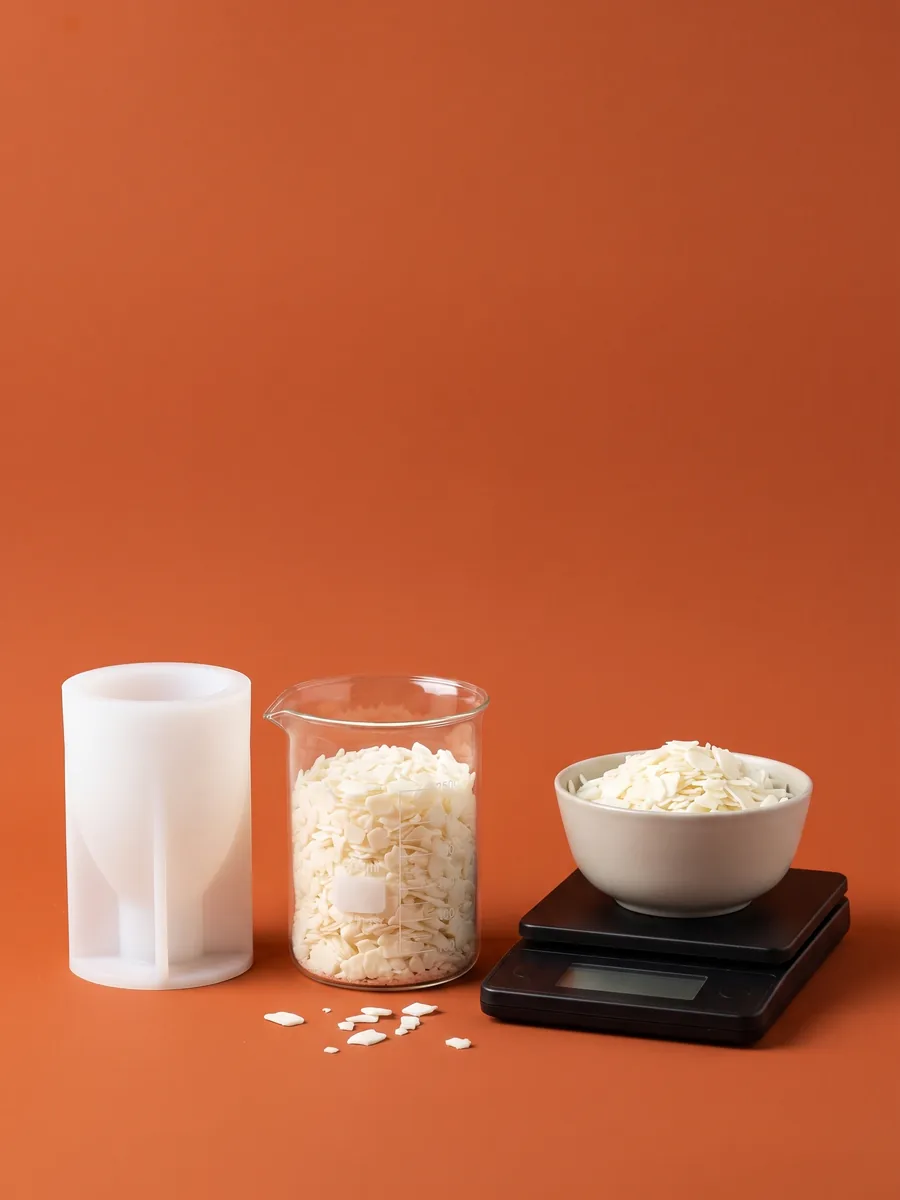
How Long Does a Candle Burn? Measure and Calculate
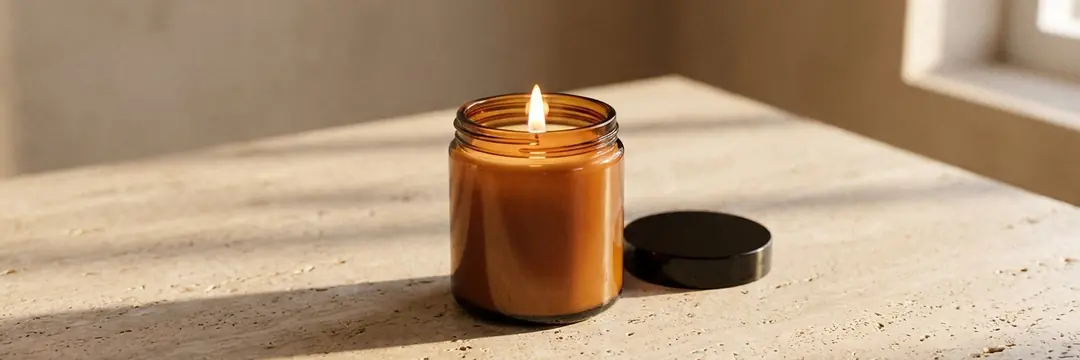
How long a candle burns depends on wax weight, wick, diameter and burning conditions. Our white tealight description states 4 hours. For your candle, divide the weight lost between cold weighings by burning hours, then divide the net fill by this rate. Treat the result as approximate and verify it over repeated cycles.
In short
- The 4 hours stated in our white tealight description apply to that product.
- Hourly consumption = weight difference ÷ burning time.
- In the example, 12 g ÷ 2 hours = 6 g/hour; this is not an industry average.
- Theoretical duration = net candle fill ÷ measured hourly consumption.
- NCA general guidance: burn for no more than 4 hours and cool for at least 2 hours before relighting.
Do all candles burn for the same time?
Do not expect two candles of equal weight to finish at the same time. Wick fuel delivery, wax formulation, container shape and surroundings can differ. Instead of transferring a time from one product label to another candle, use that candle maker's instructions and your own measurements.
Total burn time also differs from the length of a single session. Total time adds together the candle's burning cycles over its useful life. A candle lasting many hours does not mean it can burn continuously for that long. Cooling breaks are excluded from total burn time.
Our white tealight descriptions state a 4-hour burn time. This is store product information, not a universal duration for every tealight or a test result for your homemade formula.
Do not compare a small tealight and a wide jar candle by outside dimensions alone. Their net fuel quantities differ, and container weight can increase the total product weight. When keeping burn records, distinguish fuel from the empty container rather than using packaged weight.
What affects a candle's burn time?
| Factor | What changes? | How to check it |
|---|---|---|
| Wax and formulation | Fuel melting and wick compatibility vary. | Record wax, dye and fragrance for every sample. |
| Wick | It affects fuel delivery to the flame. | Keep track of the same wick series and trimmed length. |
| Diameter and container shape | It affects how the melt pool spreads. | Record the inside diameter and fill level. |
| Air movement | It can disturb the flame and cause uneven burning. | Keep away from windows, fans and air-conditioning drafts. |
| Burning schedule | The melt pool and wick change across cycles. | Write down start, finish and cooling times. |
If each wax comparison uses a different container, fragrance and wick, you cannot attribute the time difference to wax alone. First establish consistent measurements for your formula. The what candles are made of guide explains the ingredients' roles.
Switching randomly to a thinner wick to extend burn time is not a solution. The candle may melt only in the center, leave fuel around the edges or extinguish itself. Start with the wick selection guide, then decide from your sample's complete burn test.
How do you measure your candle's burn time?
Measuring weight loss turns 'how many grams melt per hour' into a practical consumption calculation. Strictly, the difference is mass consumed, not simply wax turned liquid. Wax still in the pool solidifies again and remains included in the second weighing.
The scale must support the combined candle and container weight. Check its resolution to read small changes. The mini digital scale, described as having 0.1 g precision and 2 kg capacity, is one option; those two figures describe different characteristics.
- 1
Create the starting record
Record wax type, fragrance and dye amounts, wick and container. Allow the recommended curing time. Remove the lid and trim the wick as instructed; keep the same components present at both weighings.
- 2
Weigh the cold candle
Put the scale on a level surface without exceeding its capacity. Record candle and container weight together. To know the net fill separately, weigh the empty container before production; its mass is not fuel.
- 3
Burn while timing
Burn on a safe surface, away from drafts and under supervision. Record lighting and extinguishing times. Follow product limits; the example's 2 hours is a measurement period chosen only to demonstrate the arithmetic.
- 4
Cool and weigh again
Extinguish and let the container and wax cool completely. Never place a hot or burning candle on the scale. Keep the lid and other parts as in the first weighing; spilled wax makes the result invalid as a burn-consumption measurement.
- 5
Calculate hourly consumption
Subtract final weight from initial weight and divide by actual burning hours. Example: if the difference between 320 g and 308 g is 12 g over 2 hours, 12 ÷ 2 = 6 g/hour. This value belongs only to this hypothetical measurement.
- 6
Compare the estimate with repeated cycles
Divide net fill by measured hourly consumption for a theoretical duration. It is not guaranteed: wax that must remain at the end will not burn. Repeat the measurements in subsequent cycles and total actual burning hours up to the safe stopping point.
Keep records when taking successive measurements of one candle. Be consistent about trimming before or after weighing; loose wax or removed decorations can increase the weight difference. If wax leaked during a cycle, do not interpret the entire loss as burned fuel.
How does the grams-to-hours calculation work?
The following numbers only illustrate the calculation; they are not measured results for a particular wax, wick or product. The example assumes a 200 g empty container and 120 g initial net fill, making the first combined weighing 320 g.
| Example data or calculation | Verdict | Meaning |
|---|---|---|
| 320 g − 308 g | 12 g | Difference between cold weighings. |
| 12 g ÷ 2 hours | 6 g/hour | Average consumption for this example cycle only. |
| 120 g ÷ 6 g/hour | 20 hours | Theoretical total time assuming constant consumption. |
Do not put the 20-hour result straight on a label. The required bottom residue will not be consumed, and later cycles may burn differently. Actual cycles completed before the stopping limit give a more useful total. If a burn-test problem appears, stop rather than trying to finish the estimate.
To estimate remaining use after earlier cycles, consider usable fuel left, not the initial fill. Treating 308 g as fuel without subtracting the container tare is a major error. Do not scale one candle's result across an entire collection of different sizes.
How long should a candle burn in one session?
NCA advises following the manufacturer's instructions and generally burning candles for no more than 4 hours. Allow at least 2 hours to cool before relighting. Follow any shorter product limit; these times are not targets to wait for when burning deteriorates.
Long continuous burning can cause deposits on the wick, a larger flame and soot. Do not adjust the wick or liquid wax to keep a candle burning longer. Extinguish safely and let it cool fully. Never leave a burning candle unattended or lit while sleeping.
The aim is not to consume every bit of wax. NCA says to stop using a container candle with about 13 mm of wax left at the bottom; product instructions may require stopping earlier. Because residue mass depends on container shape, we use no universal leftover weight in the formula.
How can you use a candle longer and more evenly?
Before lighting, trim the wick to the manufacturer's recommended length and remove trimmings from the pool. NCA's general cotton-wick guidance is about 6 mm; follow product instructions for wood. Use a level, heat-resistant surface away from drafts. These habits cannot fix an unsuitable formula: compatibility still needs testing.
The how to burn a candle guide covers first burns and tunnelling. Apply this measurement method alongside those use rules; do not exceed the maker's single-session limit to melt wax at the edges.
When choosing a jar, consider candle suitability and fill level as well as appearance. The candle jar selection guide explains the distinction. Keep records for that jar; if the container or wick changes in the next batch, do not automatically reuse the old duration.
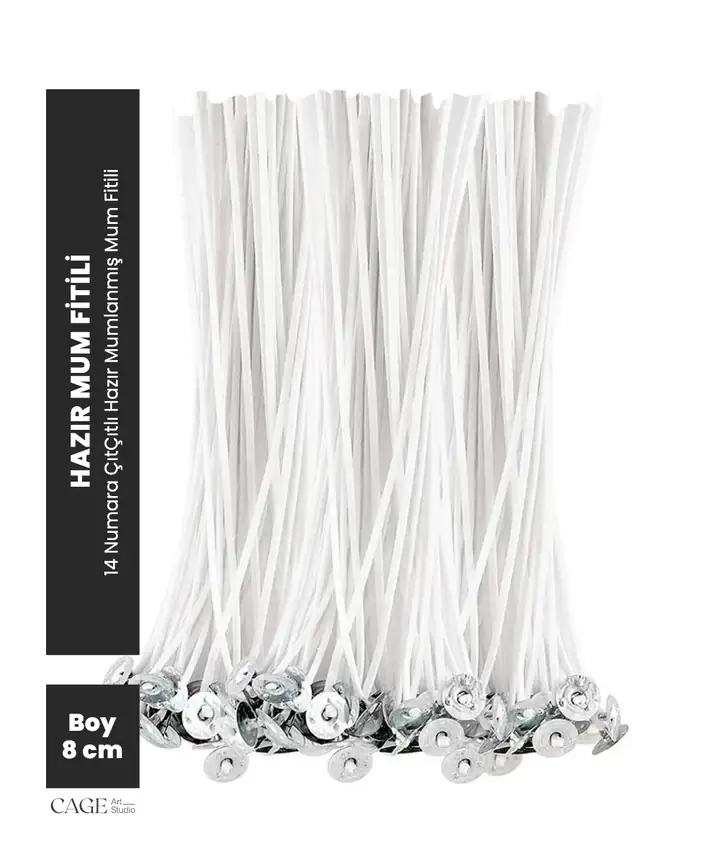 Hazır Çıtçıtlı Mum Fitili 8 CmView
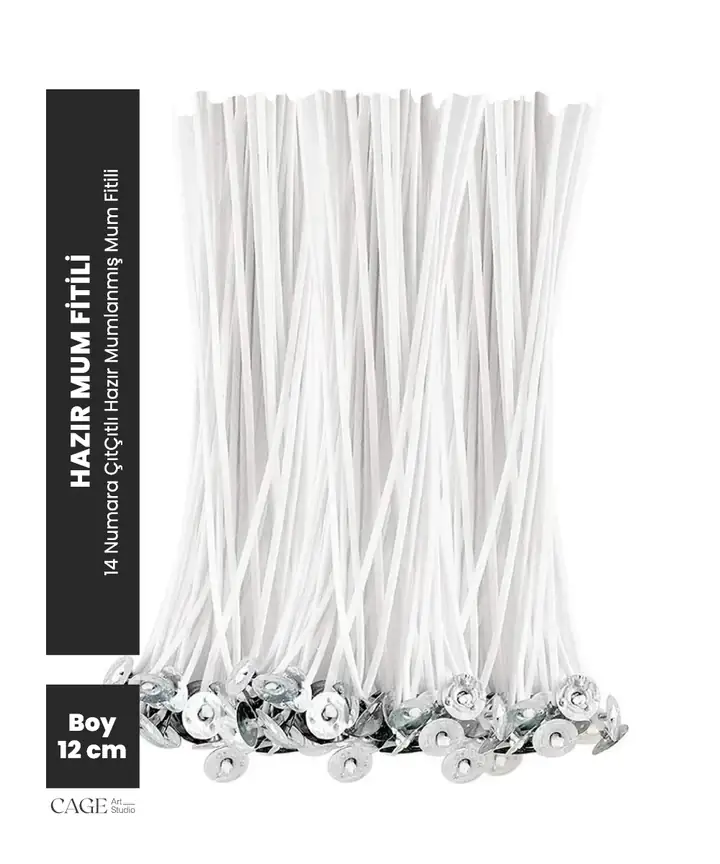 Hazır Çıtçıtlı Mum Fitili 12 CmView
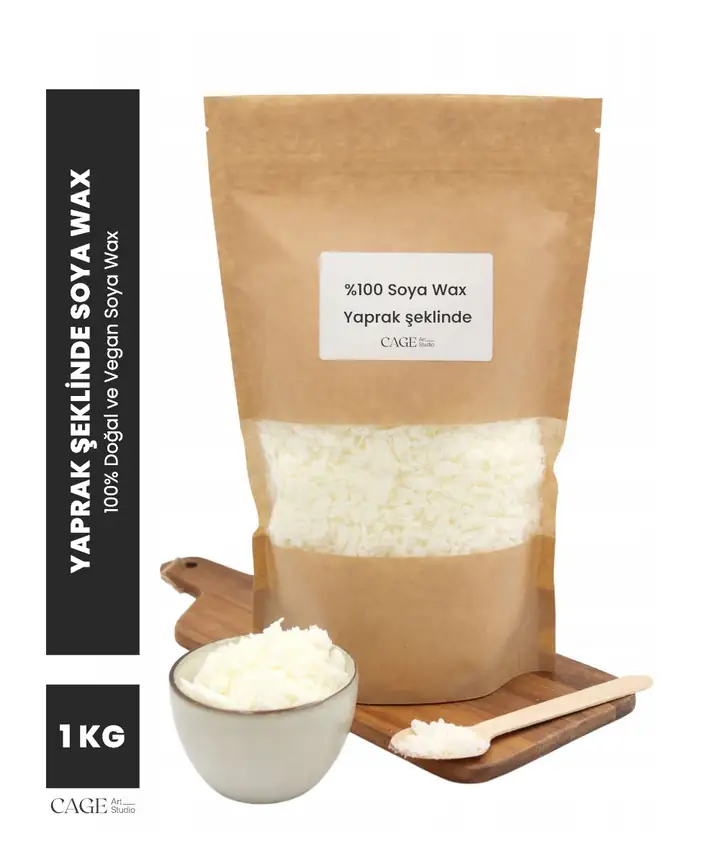 Golden Soya Wax 1 Kg (Yaprak şeklinde)View
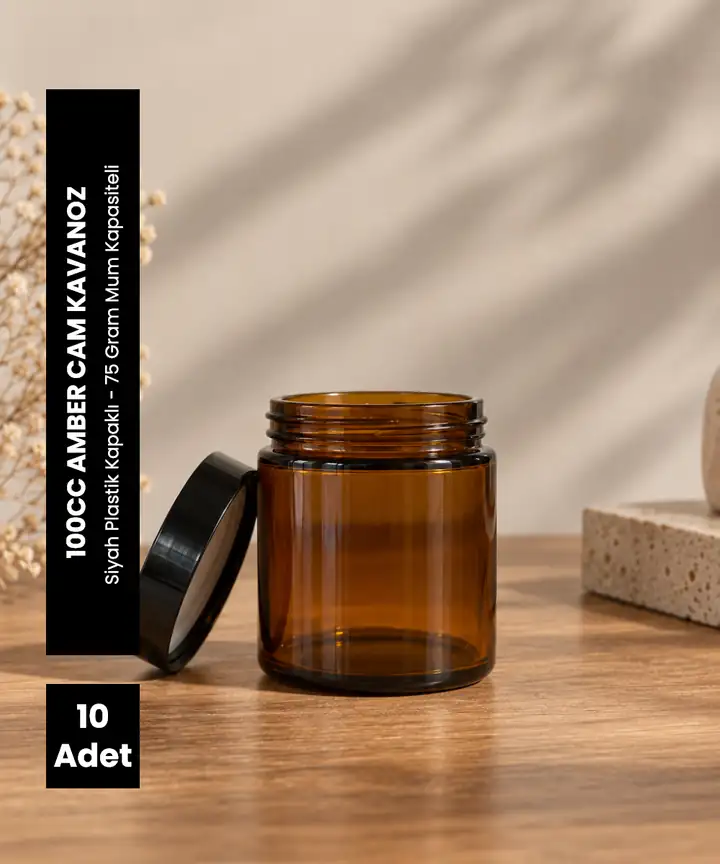 100cc Amber Cam Mum Kavanozu - Siyah Plastik KapaklıView
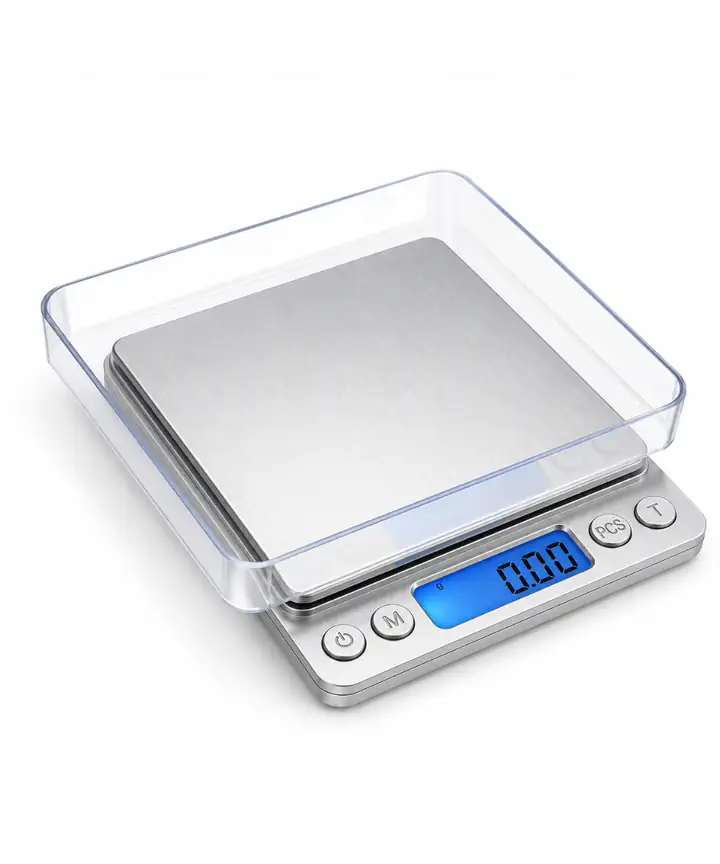 Mini Dijital Hassas Terazisi 0.1 - 2 kgView
Frequently asked questions
How long does a candle burn?
Duration depends on net wax weight, wick, container diameter and use conditions. Our white tealight description states 4 hours; that does not apply to every tealight or handmade candle.
How is candle burn time calculated?
Divide the cold weight difference before and after burning by burning hours. Dividing net fill by that consumption gives theoretical time. Verify it through cycles because residual wax and burning behavior affect actual duration.
How long does a tealight burn?
It depends on the product. Our white tealight descriptions say 4 hours. Tealight refers to a size or shape group; do not assign one duration to every product.
How long should a candle burn in one session?
Follow the maker's instructions first. NCA generally recommends no more than 4 hours burning and at least 2 hours cooling before relighting; extinguish sooner if a problem appears.
Does a thinner wick make a candle last longer?
Do not use this as a general solution. An unsuitable thin wick can extinguish or cause tunnelling. The aim is to test balanced burning for the formula, not to make the flame as small as possible.
Can you weigh a hot candle?
No. Extinguish it and wait until candle and container are completely cold. Keep lids and accessories consistent for every measurement; do not mistake heat or spillage effects for consumption.
Choose materials for your project
Compare product descriptions and instructions before preparing your test pour.