How to Remove Candle Wax: Fabric, Carpet and Jars
Remove candle wax stains by letting the wax cool and harden, lifting excess without scratching, then treating dye or fragrance residue according to surface care instructions. On fabric, use a warm iron over absorbent paper only if the label allows it. Do not automatically use this method on carpets, upholstery or wood, or pour jar residue down the drain.
In short
- Extinguish the candle first; let hot wax cool instead of rubbing it.
- Use a warm iron only when the fabric care label permits it, with clean absorbent paper in between.
- Do not heat-set dye left by colored wax; test in a hidden area.
- Avoid boiling water or sudden cooling of the jar; never pour wax down the drain.
- Unplug an electric melter before cleaning; keep its housing and electrical parts out of water.
What should you do first after a wax spill?
Keep the burning candle and hot container stable and safe. Wiping still-liquid wax can spread the stain. Once the surface cools, check its care label, finish and manufacturer's cleaning advice. Test a hidden corner before treating the whole stain.
Prepare a clean light-colored cloth or paper towel. A hard knife can cut fabric fibers and scratch wood or glass; removing residue should not abrade the surface. Note the candle's color, when the spill happened and any treatment already tried. This helps if professional cleaning is needed.
Which cleaning method suits each surface?
| Surface | First step | Next check |
|---|---|---|
| Carpet | Let it cool, then gently remove solid pieces. | Can the fibers and backing tolerate heat? |
| Washable fabric | Remove excess wax and read the care label. | Are warm ironing and washing allowed? |
| Upholstery | Collect residue without spreading it. | Follow the upholstery cleaning code. |
| Wooden | Lift cooled wax without scratching. | Use a cleaner approved for the finish. |
| Glass | Cool completely and check for cracks. | Remove wax, then wash with warm water. |
| Marble or stone | Gently lift excess wax from the surface. | Ask about stain care suitable for the stone. |
| Metal melter | Drain as instructed and unplug. | Do not immerse the electrical housing. |
How do you remove candle wax from fabric and carpet?
On a washable tablecloth, first lift off excess hardened wax. DLI describes placing the remaining wax between absorbent paper layers and transferring it to the paper with a warm iron. Try this only if ironing is allowed; do not touch wax directly with the iron or hold it in one spot. Keep moving to clean paper to prevent redepositing wax.
Do not assume this method suits silk, wool, velvet, printed or coated fabrics. Heat can make dye from colored wax harder to remove. For garments that cannot be ironed or require dry cleaning, consult a professional before trying heat at home. Protecting the fabric matters more than forcing the stain out.
Lift solid wax from carpet without pulling fibers, then collect loose crumbs. The ironing method you may find online does not suit every carpet. Ask the manufacturer if the fiber type is unknown or the backing contains adhesive. Even when heat is allowed, use a clean absorbent layer and a small test area; stop if color or texture changes.
An iron, hot water and melted wax can burn you. Keep children away from the work area. Do not turn up the iron because you cannot see the stain; stay within the fabric's care limits.
How do you remove wax from wood, marble and upholstery?
Distinguish removable sofa covers from fixed upholstery. A washable cover does not mean the foam and filling can be treated the same way. Gently lift cooled wax and follow the upholstery maker's advice for the remaining stain. Follow the cleaning code instead of soaking the upholstery through or pressing it with steam.
Results on wood depend on whether it is varnished, oiled or unfinished. Gently lift solid residue with a non-scratching edge without stripping the finish. An iron or hot water is not a universal wood-cleaning method. Dullness may be wax residue or damaged finish; check the manufacturer's care advice before rubbing further.
Marble and other natural stones differ in porosity and finish. If a dark shadow remains after lifting wax, ask the stone supplier about a suitable stain remover. Avoid unfamiliar mixtures. Scratching a polished countertop with a hard scraper can create damage harder to fix than the original stain.
Why do dye and fragrance oil stains remain?
Treat a wax stain in two stages: remove the solid layer, then assess what remains. Dye from colored wax or fragrance oil can leave a shadow in fabric after the wax is gone. Once no solid layer remains, stop scraping and use the stain treatment permitted by the surface's care label.
On washable clothing, use only the recommended stain remover and follow washing instructions. Recheck once the fabric dries; avoid a dryer or high heat while a visible mark remains. Not every colored wax stain can be completely removed at home. Seek professional advice first for valuable upholstery or delicate fabric.
How do you clean a candle jar?
- 1
Cool and inspect
Extinguish the candle and let the wax and glass reach room temperature. Do not reuse a container for candles if it has cracks, chipped edges or deep scratches; never add water to hot glass.
- 2
Remove solid residue
Lift loose wax with a non-scratching tool without pressing on the glass. Do not force out the wick tab; if adhesive remains, check the container maker's cleaning advice.
- 3
Wipe up residue
Wipe inside with a paper towel. Warm water may soften residue if the manufacturer allows it; avoid boiling water and sudden temperature changes. Do not pour wax-containing water down the drain.
- 4
Wash and dry
Once all wax is collected, wash with warm soapy water as the manufacturer permits. Rinse and dry completely; a lingering oily film or smell means cleaning is not finished.
- 5
Choose the next use
Cleanliness does not certify glass for burning candles. If refill suitability is unknown, reuse the jar without a flame, such as a pencil holder, and choose a suitable candle container for a new pour.
A common mistake is draining wax together with hot water. Collect solid and oily residue separately before washing. Avoid sudden temperature changes, such as moving a jar from the freezer to boiling water. The candle container maker's reuse instructions take priority over general online methods.
How do you clean a wax melter?
Transfer clean leftover wax to a suitable container following the melter's draining instructions. Disconnect power, let it reach a safe cleaning temperature and wipe accessible inside surfaces. Clean a spout's channel only as instructed; do not force a hard object into it.
A removable metal pot and an electrical housing require different cleaning. Do not immerse the housing or let liquid reach the cable or thermostat. Ensure cleaned parts are completely dry before restarting. For the setup and container-care context, see how to melt candle wax.
Do not apply these glass and metal methods to silicone molds. Mold care is covered separately in how to clean silicone molds and the mold use and care guide.
Can you refill a cleaned candle jar?
A spotless jar is not proof that it is suitable for another burning candle. Consider cracks, edge damage and previous heat exposure. Use an old jar with unknown suitability for flameless storage. For a new pour, use our candle jar selection guide and soy candle making recipe.
 100cc Amber Glass Candle Jar with Black Plastic LidView
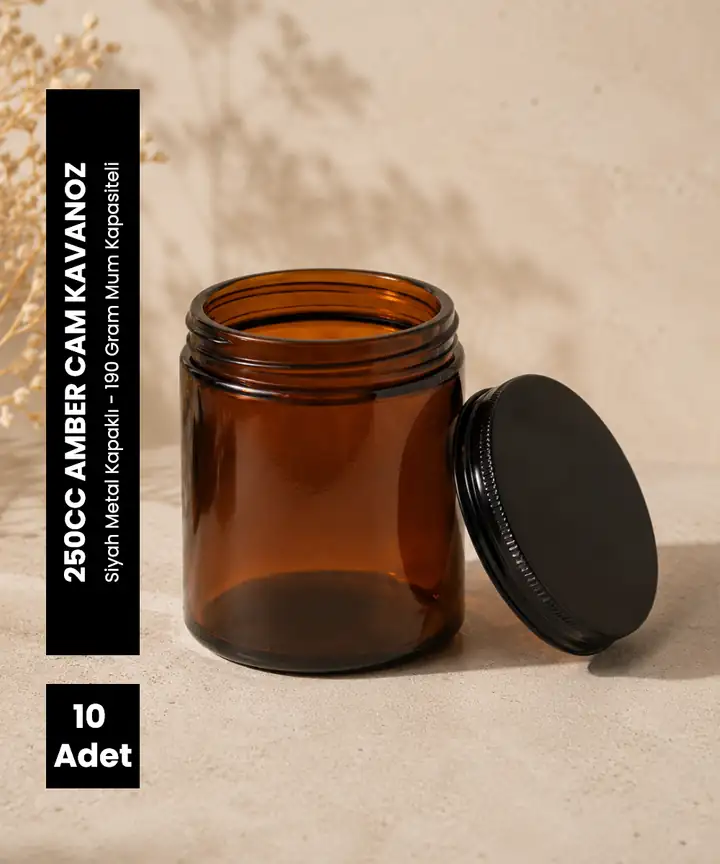 250 cc Amber Glass Candle Jar with Black Metal LidView
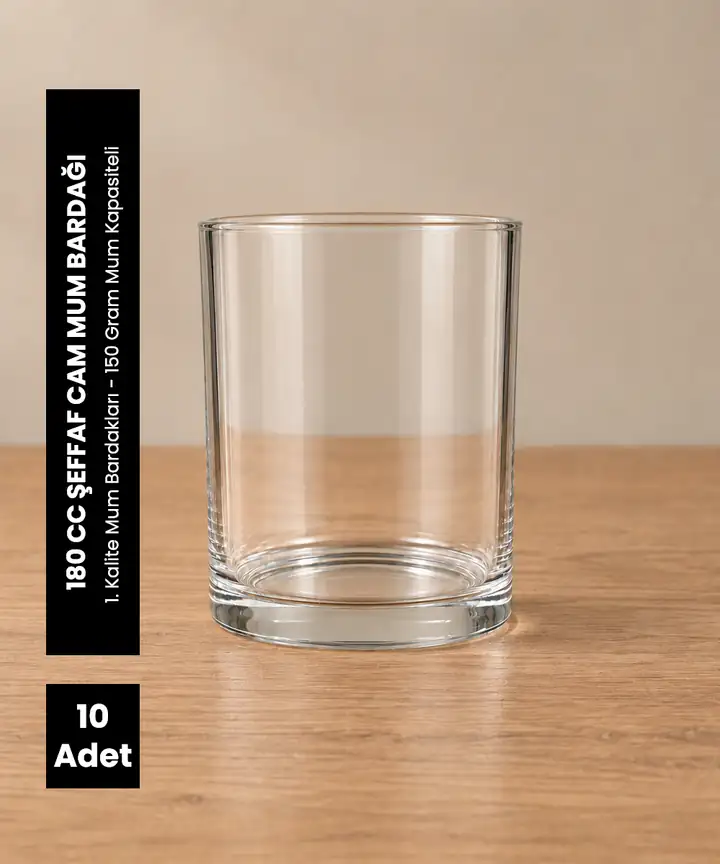 Clear Candle Glass, 150 g Wax CapacityView
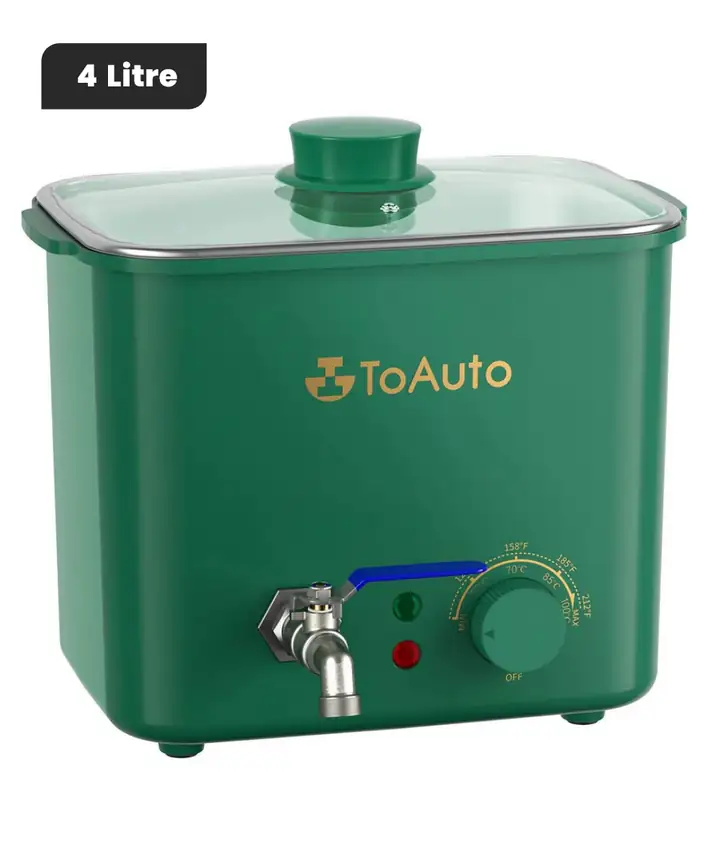 Wax Melting Pot 4 LView
 Golden Soya Wax 1 kg (Leaf Shape)View
What are common questions about wax stains?
How do you remove candle wax?
Let the wax cool and harden, then remove excess without scratching. Follow the surface's care instructions for remaining oil and dye; do not use the same heat treatment on every stain.
Can an iron remove wax from carpet?
Heat can damage some carpet fibers and backing. Remove cooled residue first; use an iron only if the carpet maker allows it, with clean absorbent paper and a small-area test.
Why is there still a mark after removing wax from clothes?
Dye and fragrance oil can remain in fabric after solid wax is removed. Use a stain remover permitted by the care label; do not tumble-dry or iron again until the mark is gone.
Can you pour boiling water into a candle jar?
We do not recommend it. Sudden temperature changes can crack glass, and hot water and wax can burn. Use the warm cleaning method permitted by the container maker.
Can leftover candle wax go down the drain?
No. Collect residue with paper towels or in a suitable waste container and let it cool. Wax can build up in pipes; flushing it with hot water is not a solution.
Do you clean silicone molds the same way?
No; mold care instructions are different. Do not scrape silicone or heat it like a jar; consult the silicone mold cleaning guide.
Get ready for your next pour
Choose a suitable candle container, wax and melting equipment for your project.