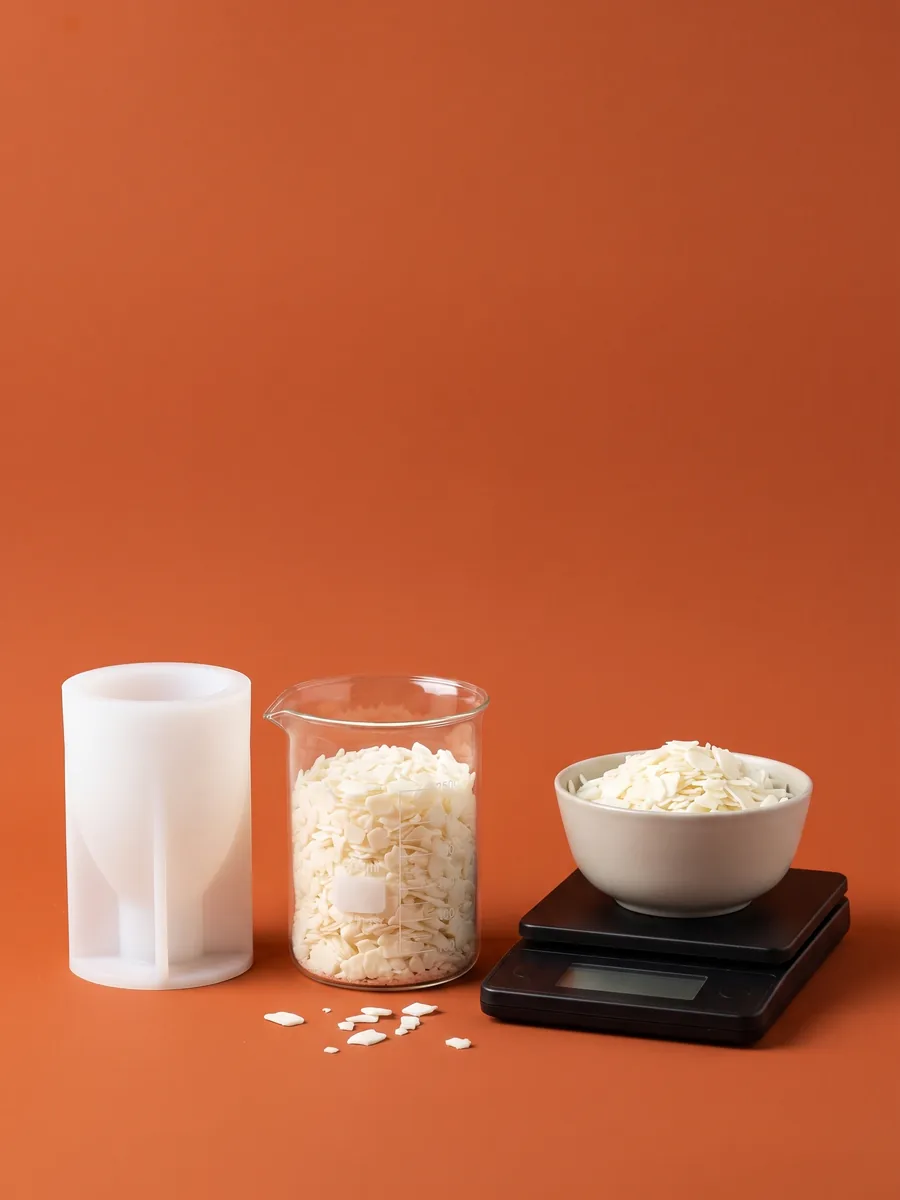
What Is Stone Powder? Ratios, Drying and Casting
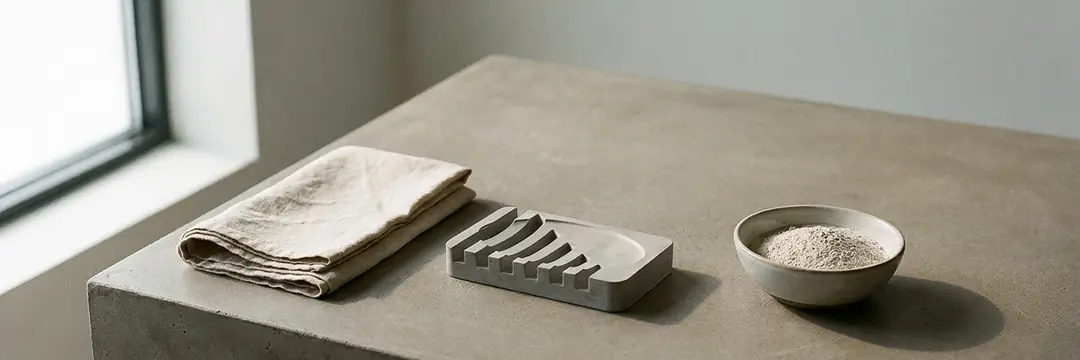
Stone powder is a commercial powder mixture for decorative castings, not a single standardized formula. Weigh ingredients to the package ratio, mix and pour into the mold. The example of 400–450 g water per 1,000 g powder applies to one commercial product only. Do not substitute plaster ratios; follow the demolding and drying instructions.
In short
- Ratios and timings come from the product packaging or technical data sheet.
- For stone powder, 400–450 g water / 1,000 g powder is an example for one particular commercial product only.
- USG No. 1 Pottery Plaster: 100 plaster : 70 water by weight; not a general stone powder recipe.
- Heat around holders, standing water in planters and food contact in decorative vessels are assessed separately.
In this guide
- What is stone powder used for?
- Stone powder or plaster: what is the difference?
- How do you determine a stone powder water ratio?
- How long does stone powder take to dry and demold?
- How do you use stone powder in a mold?
- How do you paint and protect stone powder?
- What should you check if stone powder cracks or will not set?
- How do you clean a mold after casting stone powder?
- What are the common questions about using stone powder?
What is stone powder used for?
Similar white powders can make very different objects; that does not make them the same product. Before applying a plaster recipe to a pack labeled stone powder, check its binder type, mixing ratio and intended use. A commercial name alone does not guarantee hardness, water resistance or demolding time.
Start with the object: a figurine kept dry, a wet soap dish and a decoration beside a burning candle face different conditions. Shape is the starting point; your mix and finishing determine suitability. Cage Art Studio stocks silicone molds and candle-making supplies; we do not sell stone powder, plaster or cement.
Stone powder or plaster: what is the difference?
| Feature | Stone powder | Plaster |
|---|---|---|
| Definition | Commercial name for a craft powder; formulation varies by product | Plaster family with product-specific properties |
| Mixing liquid | Water or a specific liquid, according to the label | Water specified in the technical data sheet |
| Ratio | Weight ratio on the packaging | USG No. 1 example: 100 powder / 70 water |
| Time | Product instructions for setting, demolding and drying | Setting time is not demolding time |
| Surface and moisture | Check formula and coating instructions | Porous surface; assess suitability separately |
| Selection criteria | Data sheet, intended use and sample result | Casting suitability and technical data sheet |
Do not read “stone powder or plaster?” as a strength ranking based on product names. Cast your own samples in the same mold and assess release, surface and intended use. Find the plaster procedure in casting plaster in silicone molds.
How do you determine a stone powder water ratio?
Read the weight recipe on the packaging instead of taking one water figure from the internet. Local research records 400–450 g water per 1,000 g powder for a commercial stone powder. This is a sourced product example, not a range recommended for all brands. Adding water to improve flow can increase moisture to dry out and the risk of weakness.
| System | Per 1,000 g powder | Key distinction |
|---|---|---|
| Commercial stone powder example in the research | 400–450 g water | Recipe for that product only |
| USG No. 1 Pottery Plaster | 700 g water | Technical data sheet example for plaster |
How long does stone powder take to dry and demold?
| Material | Setting | Demolding | Drying or surface finishing |
|---|---|---|---|
| Stone powder | Its own packaging | Its own packaging and the piece's strength | Depends on product, section and environment |
| USG No. 1 Pottery Plaster | 14–24 min Vicat, machine mixed | Cannot be inferred directly from this test | Full drying requires a separate wait |
Setting is when the mix begins holding shape; demolding requires enough strength to withstand removal; drying removes remaining moisture. Do not treat them as one duration. The table is not an exact timer. Consider surface condition, product instructions and model sensitivity together.
How do you use stone powder in a mold?
- 1
Match the product and mold
Read whether the packaging requires water or a special liquid. Check material compatibility in the mold description. Test an unfamiliar casting mix in a single mold first.
- 2
Prepare the mold
Clean and dry the mold completely, then put it on a level tray. Align slit edges and fit any support according to instructions. Do not apply oil or petroleum jelly; silicone generally needs no release agent for these castings.
- 3
Weigh in grams
Use your product's weight ratio.
- 4
Prepare the mix
Follow the manufacturer's order of addition and mixing method. Avoid lumps and unnecessary air. For pigments and additives, use only the limits specified for that material.
- 5
Pour and release air
Pour a low, thin stream at one point in the mold. Check detail filling and tap the sides gently. Do not shake the full mold hard enough to move the center insert.
- 6
Demold on time
Consider both product demolding instructions and the piece's strength. Peel silicone away rather than pulling delicate tips. Support the released casting from its broad base.
- 7
Dry and finish
Dry under the product's specified conditions without direct heat. Wait for complete drying and follow coating instructions before painting or sealing. Clean the mold afterward and store it dry and flat.
Do not use a mold's estimated candle capacity as the stone powder requirement. Equal volumes of different materials have different weights. Use the Calculator for preliminary planning, then weigh and record your first sample. Record the amount used, leftovers and intact pieces together to help plan the next batch.
How do you paint and protect stone powder?
To color the mix, use a pigment suitable for that system at the manufacturer's dosage. Do not assume candle dye will dissolve in stone powder. For painting after casting, the piece must be fully dry; remove dust and test paint and coating compatibility on a small area. Follow the product instructions for time between coats. For paint, pigment and sealer choices by material, see how to paint stone powder.
Sealing does not make every material waterproof, food-safe or fireproof. For holders, read the heat and coating assessment in stone powder candle holder making; plan continuous water contact in planters separately.
What should you check if stone powder cracks or will not set?
For cracking, check water ratio, early demolding, thin sections and rapid drying; for failure to set, check the right liquid and powder storage. Do not confuse a damp demolded piece with a still-fluid mix. Define the problem before changing the recipe; the detailed symptom and solution table is in why stone powder cracks.
Do not add unmeasured water, glue or hardener to solve the problem. Record powder, ratio, pigment, conditions and demolding time, then test one variable at a time. Hiding a crack with paint does not show that usable strength has returned. In particular, do not use a defective holder with a burning candle.
How do you clean a mold after casting stone powder?
Clean silicone molds with warm soapy water and a soft sponge; avoid metal scrapers and harsh solvents. Rinse and dry completely, then store flat without folding. Oil and petroleum jelly can swell silicone. Testing a new material in one mold and avoiding unnecessary time in the mold are also part of care.
If demolding becomes harder, inspect old mix residue and the silicone surface. Increasing force on every pour can damage fine details. Our mold use and care guide and material compatibility guide help you check suitability when switching materials.
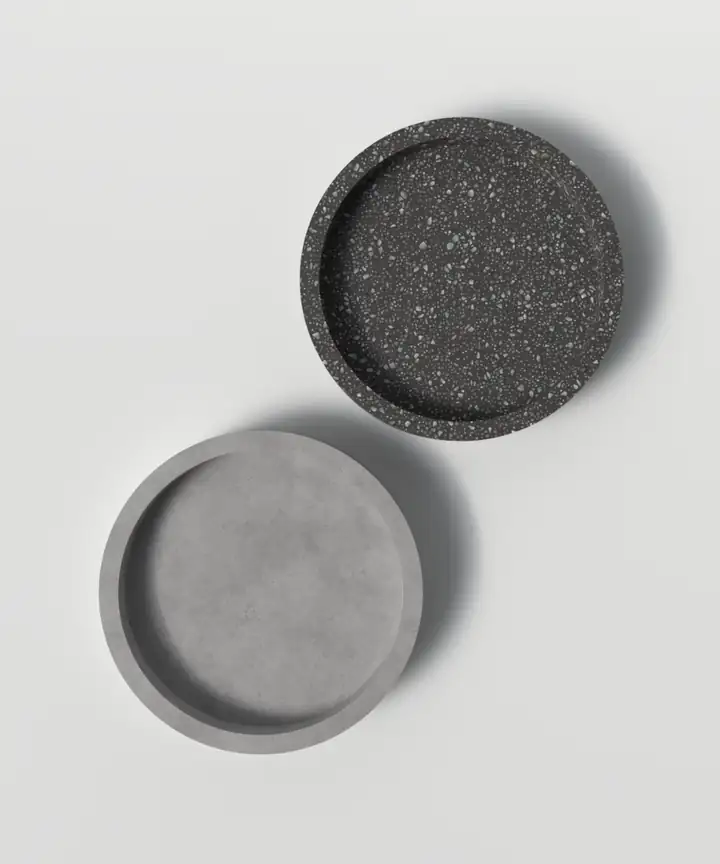 Round Coaster MoldView
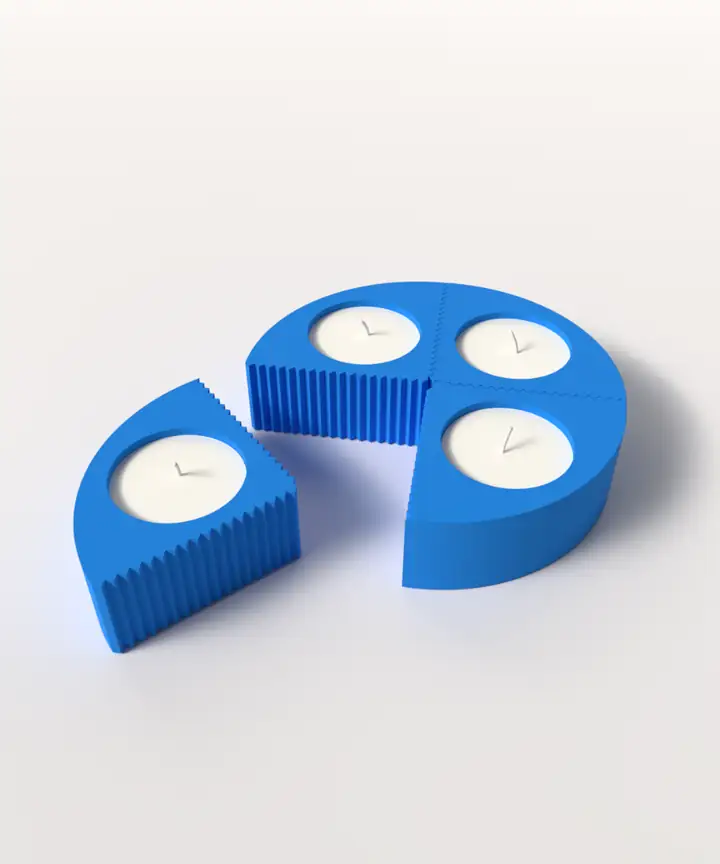 Concrete Tealight Holder Mold - H4View
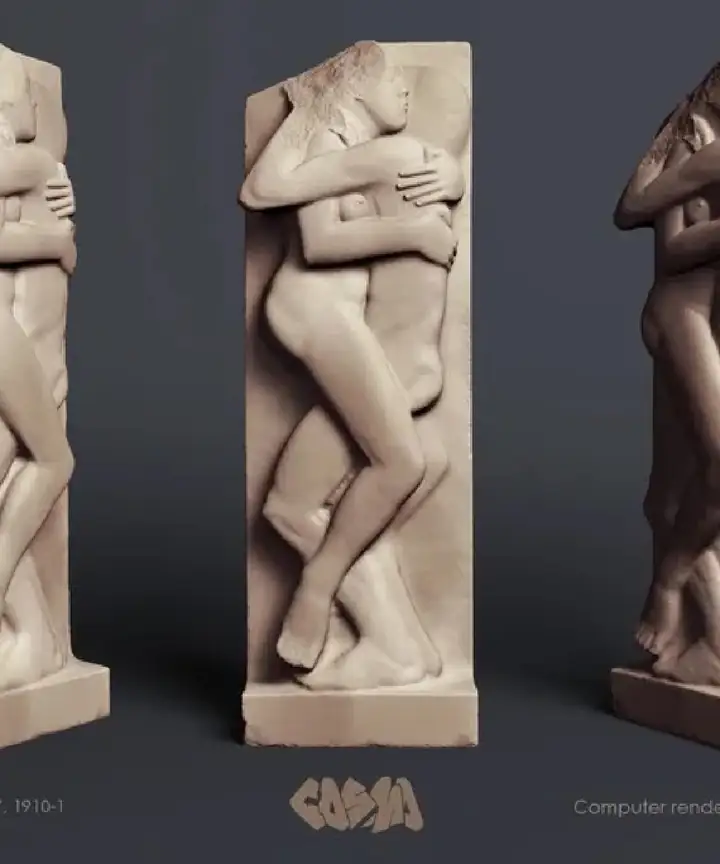 Eric Gill Sculpture Silicone MoldView
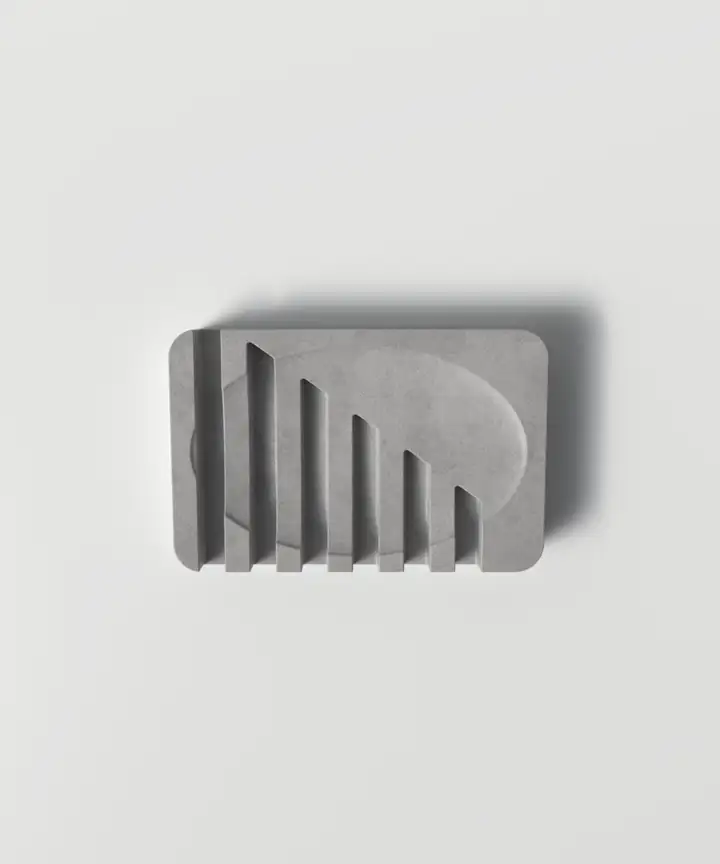 Concrete Soap Dish Mold M1View
What are the common questions about using stone powder?
What is stone powder?
Stone powder is a commercial craft material name, not a single formula or standard water ratio. Depending on its composition and binder system, it needs water or the manufacturer’s own liquid; read the label.
What water ratio does stone powder need?
Your own packaging ratio applies. Research notes give one commercial example of 400–450 g water per 1,000 g powder; the USG plaster example with 700 g water is a separate system.
How long does stone powder take to dry?
There is no single time for every brand. Setting, demolding and complete drying differ; follow the product instructions.
How is stone powder different from plaster?
Stone powder is a commercial description; plaster is a material family. The name alone cannot tell you which is stronger or more water-resistant. Consider composition, technical data, recipe and intended use together.
What can you make with stone powder?
With a suitable product and mold, it can cast decorative trays, figurines, holders and indoor objects. Intended use determines the material; decorative appearance does not prove suitability for food, constant water or flame.
Why does stone powder crack or fail to set?
Check ratio, mixing, early demolding, damp powder and drying conditions. Record the stage when the problem started; return to the product recipe rather than adding water or additives at random.
Silicone molds for your casting project
Explore molds for decorative objects, holders and sculptures, along with wax, wicks, dyes and fragrance for your candle projects.