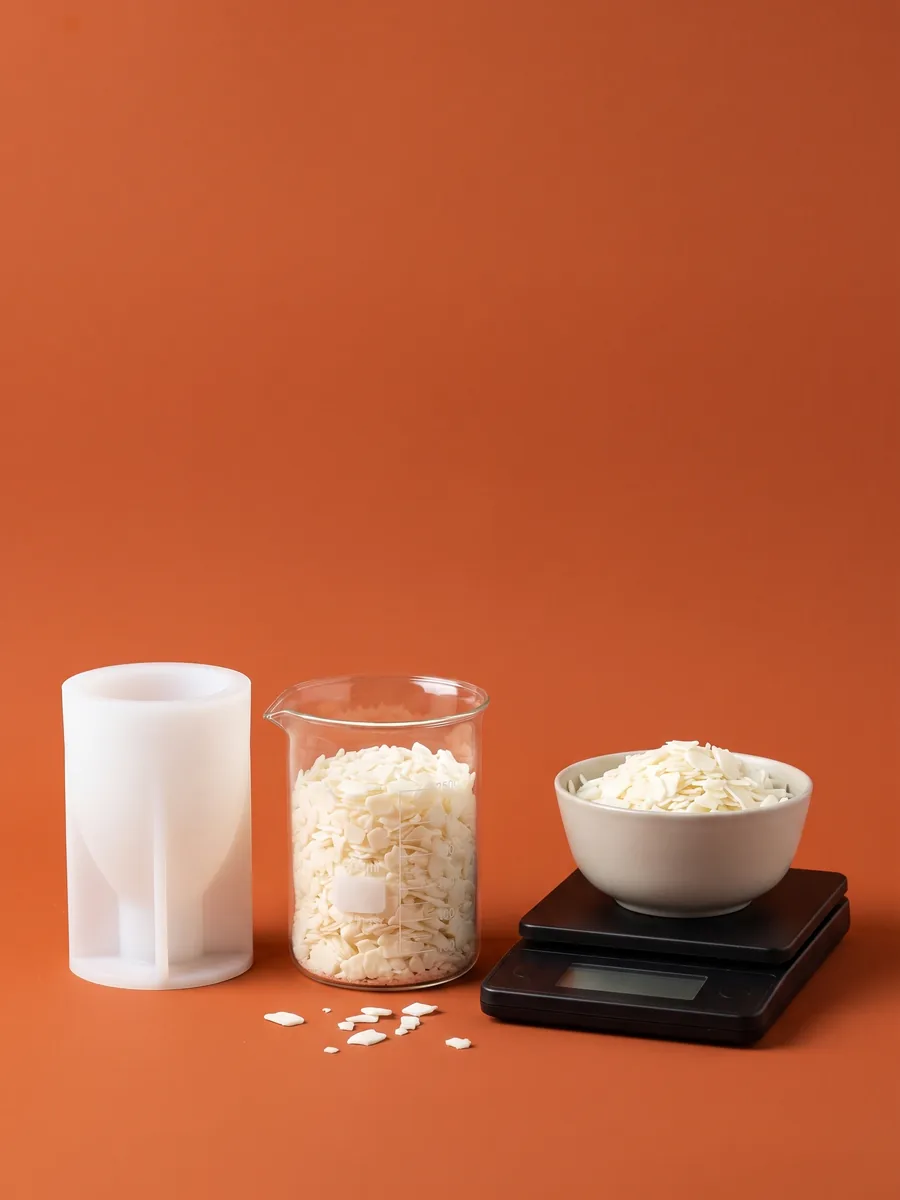
Why Does Stone Powder Crack? 9 Checks and Fixes
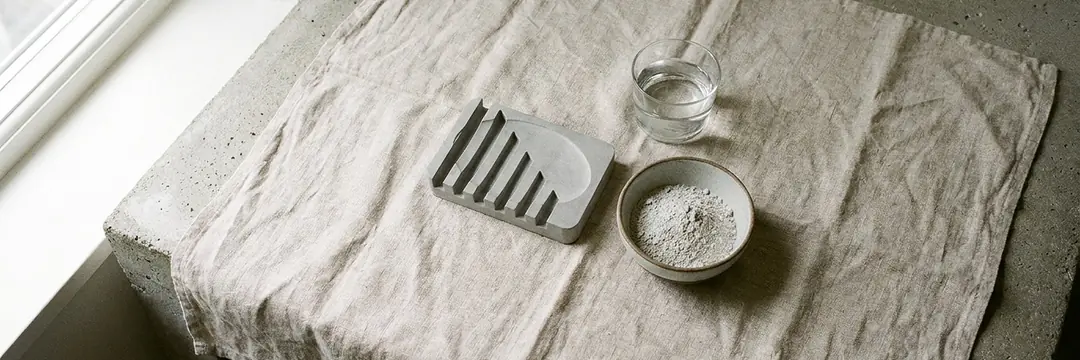
Stone powder castings can crack because of excess water, early demolding, thin sections or uneven drying. Follow your own product’s mixing ratio and timing, and record when the crack appears.
In short
- Record the symptom and when it appeared first, then check the recipe and waiting time.
- Measure water in grams; do not transfer another brand's ratio to your powder.
- Demolding and complete drying are different.
- Paint or sealer on a cracked holder does not provide structural repair or heat safety.
Why does stone powder crack, and where does the problem start?
Stone powder is not the name of a single formula. Advice to add the same water to every product or demold at one exact minute is therefore misleading. Start troubleshooting by reading the powder packaging. Find definitions and material comparisons in how to use stone powder; this guide focuses on tracing defects.
| Symptom | Possible cause | First check |
|---|---|---|
| Fine cracks during drying | Excess water or rapid drying | Weighing record and direct heat |
| Lumpy, streaked surface | Uneven mixing | Order of addition and mix consistency |
| Breakage during demolding | Early demolding | Label timing and casting firmness |
| Delicate tips snap off | Section thickness and pulling load | Support during demolding |
| Thickens too quickly | Hot material or surroundings | Sunlight and hot liquid |
| Dry surface, damp interior | Uneven drying | Airflow and thickness |
| Remains soft | Damp powder or wrong liquid | Storage and product type |
| Holes and broken areas | Trapped air | Mixing and contact with details |
| Surface crumbles in the mold | Residue or wear | Mold cleanliness and damage |
The table is a starting point, not a definitive diagnosis from appearance alone. Several factors may combine to cause the same crack. On the next test, keep the mold, powder and pigment the same and change only the suspected variable. Otherwise, you cannot tell which adjustment helped.
How do water ratio and mixing cause cracks?
1. The water ratio drifted from the recipe
2. The mix was not uniform
Why does stone powder break or stick during demolding?
3. The piece was demolded early
4. A thin section was pulled
How do temperature and drying conditions affect the result?
5. The room or liquid was too hot
6. Drying was uneven or forced
Why will stone powder not set, or stay soft?
7. The powder absorbed moisture or the wrong liquid was used
“Will not set” and “will not dry” are different symptoms. For a fluid mixture, examine recipe and setting; for a shaped but damp piece, examine drying. Sources give no single hour or humidity threshold for all commercial stone powders. Follow your own product's instructions instead of relying on an exact universal number.
Why do bubbles weaken stone powder?
8. Air remained in the mix or details
9. The mold was dirty, damaged or worn
What should you check before another pour?
- 1
Record the label and batch
Start with powder name, batch information, mixing ratio and the packaging's waiting time. Do not treat a water-mixed powder and a two-part product with its own liquid as the same recipe.
- 2
Verify measurements
Weigh water and powder separately. Keep pigments and additives within the manufacturer's limits. Do not add an old, rewatered mix that has started setting to a new batch.
- 3
Prepare the mold and surroundings
Use a clean, dry, level mold. Do not cast in direct sun, warm airflow or beside a radiator; test a new material in one mold first.
- 4
Track timing and results
Record when mixing began, when you demolded and when the first crack appeared. If the defect repeats, change one variable; assess even intact-looking pieces for their intended use.
Filler or paint can hide a crack but does not prove strength has returned. Reassess a cracked holder or load-bearing piece; do not continue testing it with a burning candle.
For mold choice, drying and heat assessment specific to holders, see stone powder candle holder making. For plaster, follow casting plaster in silicone molds. Return to the mold care instructions for cleaning; we supply suitable casting molds rather than stone powder or casting mix.
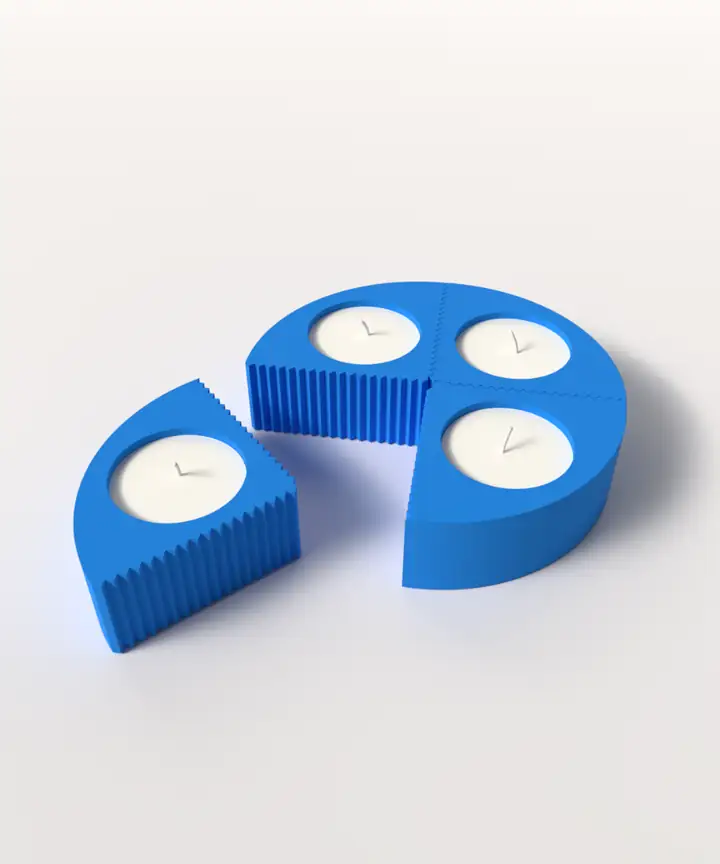 Concrete Tealight Holder Mold - H4View
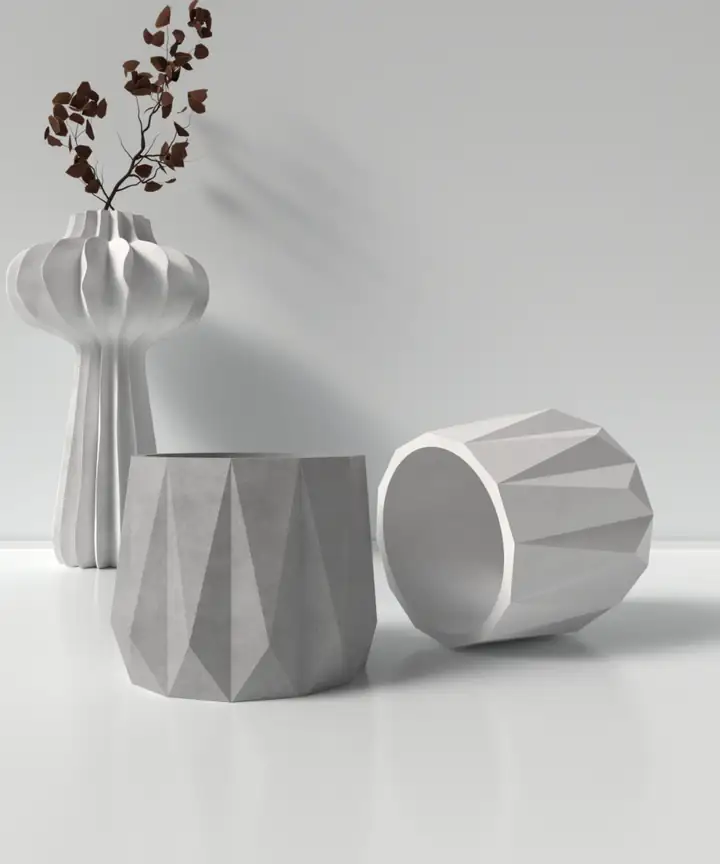 Concrete Planter / Candle Holder Mold K7View
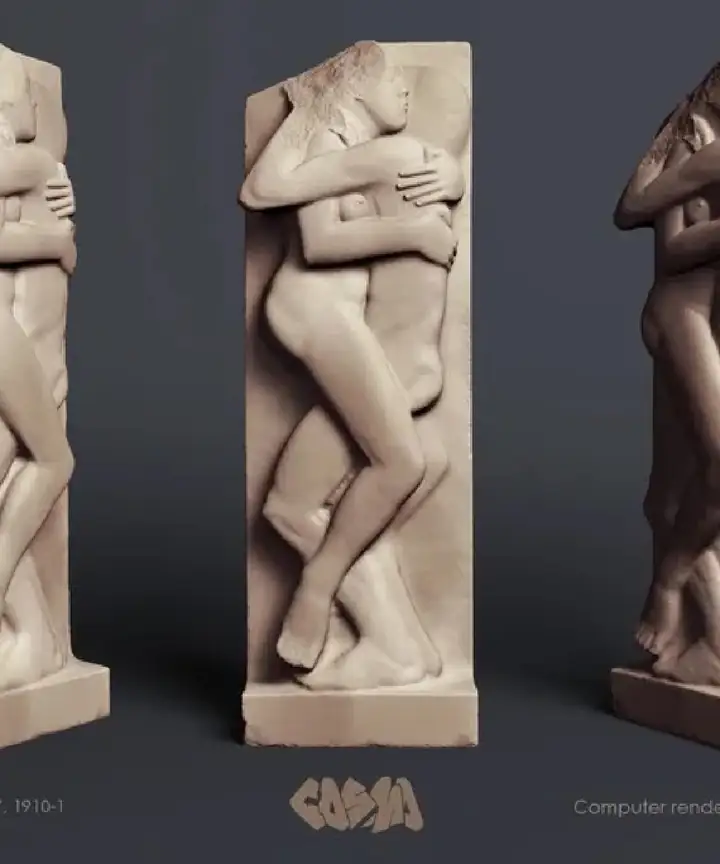 Eric Gill Sculpture Silicone MoldView
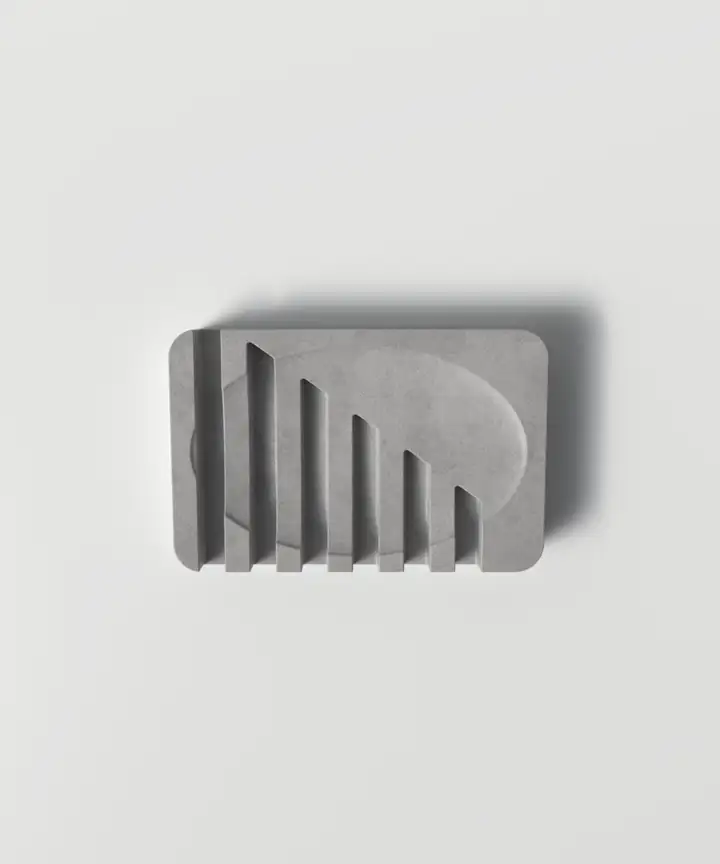 Concrete Soap Dish Mold M1View
What are the common questions about stone powder problems?
Why does stone powder crack?
Check off-ratio water, rapid drying, early demolding and thin sections first. Identify whether the crack formed in the mix, during removal or while drying; use your own powder's packaging ratio.
Why does stone powder break?
It may have been removed before gaining enough strength, pulled by a thin section or weakened by air pockets. Peel the mold away and support a broad surface; covering a crack with paint does not restore strength.
Why will stone powder not set?
Possible causes include the wrong liquid, extra water, damp powder or failure to follow waiting conditions. Check the label and measurements first; do not try to rescue the mix with random powder, glue or hardener.
Why will stone powder not dry?
Moisture in a set piece may take longer to leave thick sections or humid conditions. Demolding readiness is not full drying; follow the manufacturer's drying conditions and avoid direct heating.
How long does stone powder take to set?
It depends on the product; no one time suits all stone powders.
Stone powder is stuck in the mold: what should you do?
Check packaging waiting time and the piece's firmness first. Gently flex the rim and peel silicone away; do not add oil or petroleum jelly. If it happens every time, inspect residue and mold wear.
Can stone powder break?
Yes; no product name guarantees an unbreakable casting. Recipe, section thickness, bubbles, drying and use all affect strength. Assess thin edges and pieces used near heat, such as holders, separately.
Choose a mold that suits the material and model
Explore holder, sculpture and decorative casting molds, then prepare the next sample with a measured, recorded recipe.