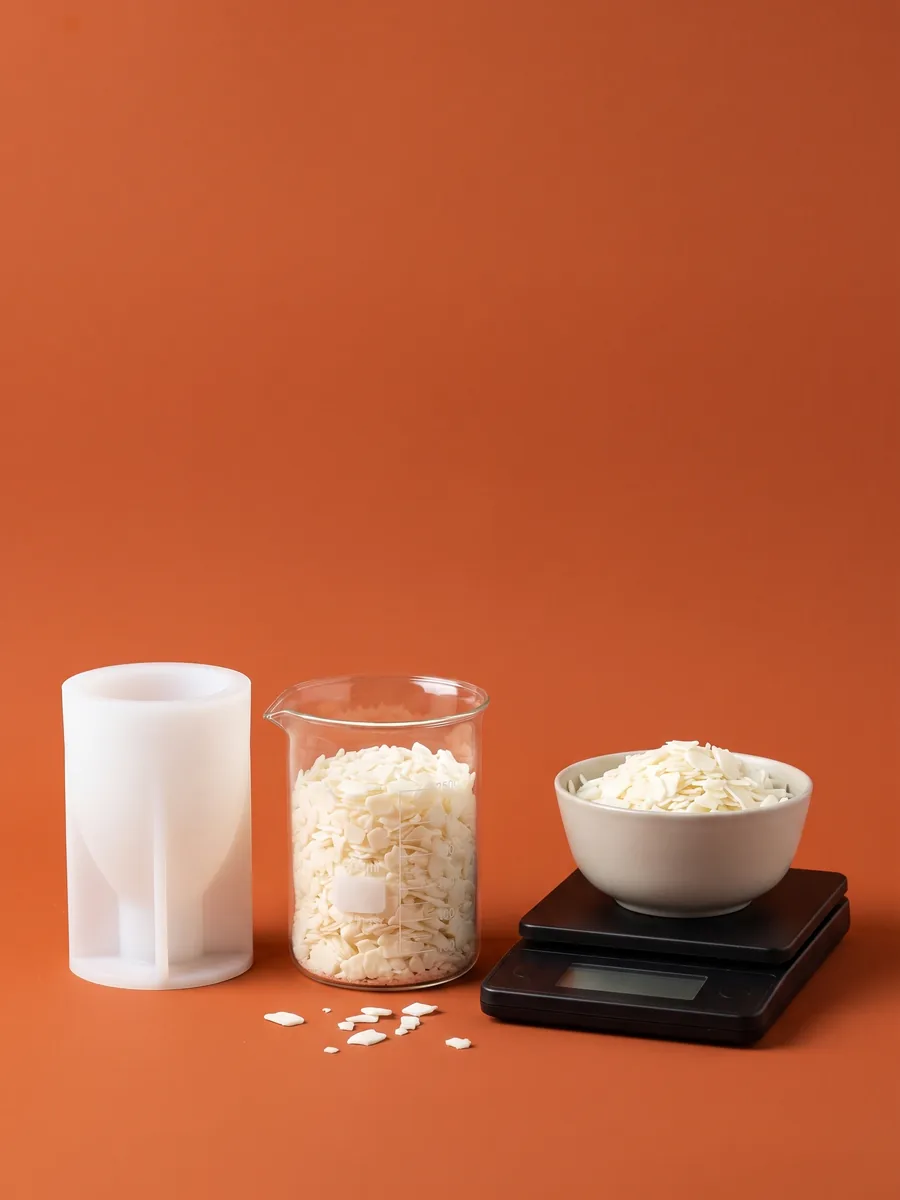
Mica in Candles: Pearlescent Effects vs. Pearl Wax
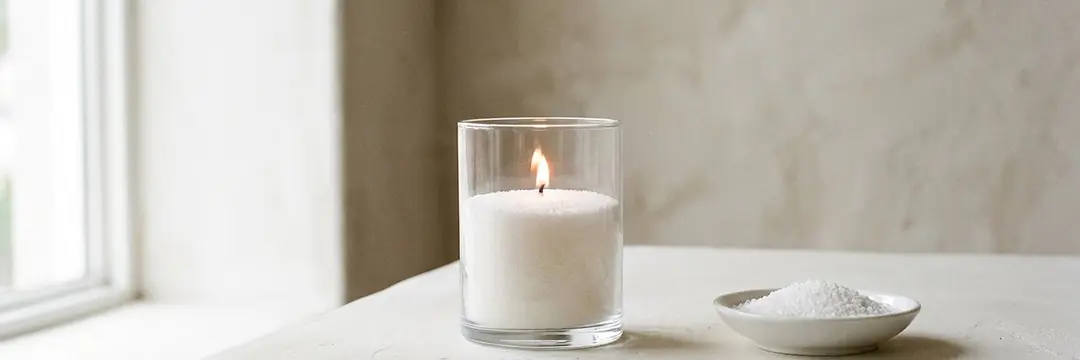
Pearl wax and mica pigment are different products: our pearl wax is vanilla-scented granular candle wax used with a wick. Its product description includes 20 mini wicks and specifies leaving approximately 0.5 cm of wick above the surface. Mica is a pigment; do not mix this granular wax into candle wax as a pearlescent colorant.
In short
- Pearl Powder Candle: vanilla-scented granular wax; the description lists 20 mini wicks.
- Do not mix mica pigment into a wicked container candle.
- For suitable mica, the source distinguishes surface use from use in wickless wax melts.
- We give no universal mica percentage; follow the pigment instructions.
- Do not apply candle dye dosages to pearlescent pigment.
Are pearl wax and mica the same product?
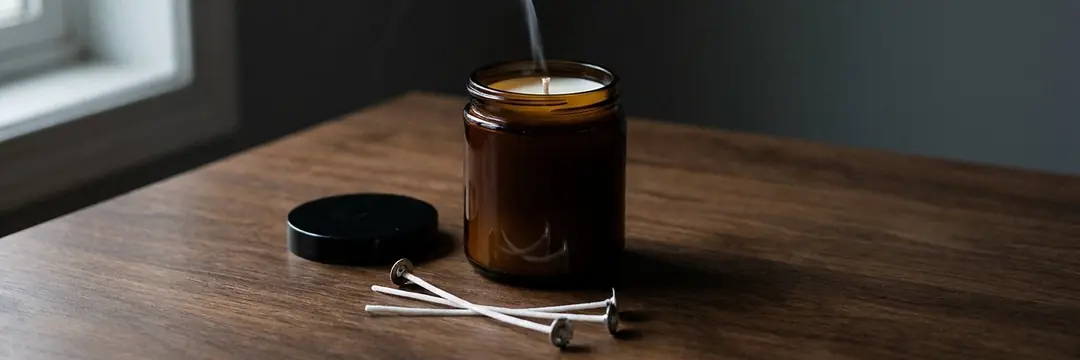
First, clarify the name: our Pearl Powder Candle page describes vanilla-scented granular wax. It says that 20 mini wicks are included, the wick should protrude about 0.5 cm above the surface and no extra additive is needed. This is not a pigment brushing or dye-mixing recipe.
“Pearl” in a product name does not mean it contains mica. Do not add our granular wax to melted wax as a pigment, or treat the mica information below as instructions for that product.
Pearlescent or mica pigment is a different material used for shimmer and light reflection. The manufacturer’s intended uses and description are decisive. A search for “pearlescent candle dye” may show granular wax beside pigment; read the description before buying. A pigment’s color alone does not establish its suitability.
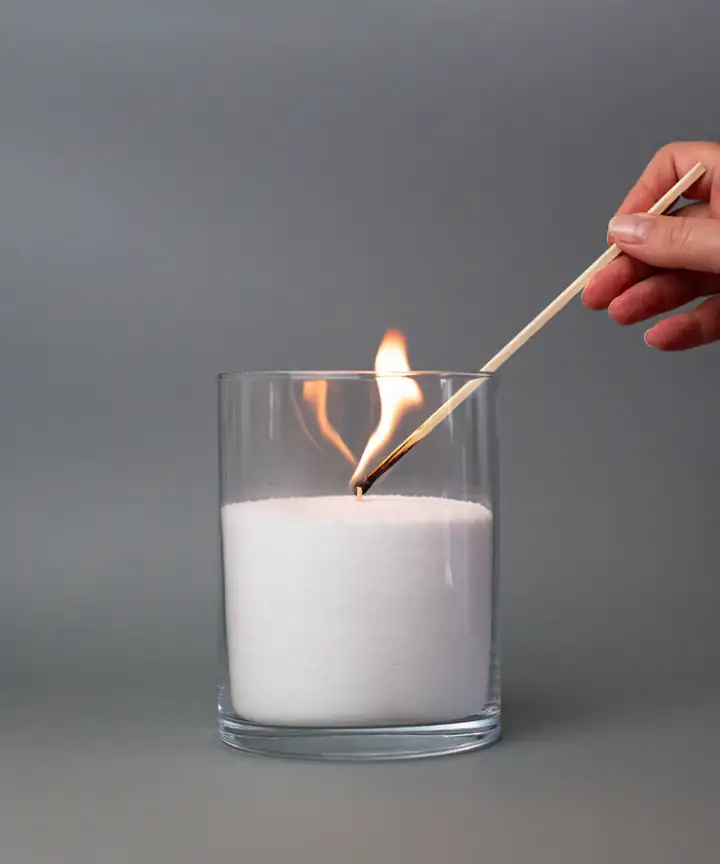
Instructions for replacing wicks on the granular wax page do not mean it burns indefinitely or suits any vessel. A burning candle needs a stable, heat-suitable container and supervision. This article makes no new burn-time promise for granular wax; it explains the confusion with pearlescent effects and mica’s limits.
Can you put mica powder inside a candle?
Mica does not behave like a candle dye that dissolves in wax. CandleScience’s mica guide warns that particles can clog the wick, causing tunneling or self-extinguishing. We therefore do not recommend mixing pearlescent powder into wicked container candles. More pigment may increase shimmer but does not improve wick performance.
A wick carries liquid wax to the flame. Altering that flow for shimmer can produce a weak flame, an uneven melt pool or burning problems. Using a thicker wick to mask the issue does not prove the pigmented formula is suitable. Plan coloring and surface effects separately; see our candle wick guide for selection.
Which surfaces suit a pearlescent effect?
| Application | How to assess it | Limit |
|---|---|---|
| Body of a wicked container candle | Do not mix in mica | Risk of wick clogging and poor burning |
| Exterior of a decorative candle | Thin brush application of suitable pigment | Keep off the wick and melt area; assess burning suitability separately |
| Inside surface of a silicone mold | Test a thin dusting on a dry mold | Do not leave loose powder; transfer differs by product |
| Wickless wax melts | A use specified in the mica source | Follow both warmer and pigment instructions |
| Stone powder / concrete decor | Surface use of a suitable pigment | Check coating compatibility and water resistance separately |
This table does not approve every use of a product. An effect on wax may look different on porous concrete. First test a small clean, dry area of a mineral object; if a binder or coating is needed, check its manufacturer’s compatibility information. Learn about the material in our stone powder guide.
How do you prepare a pearlescent candle surface?
- 1
Identify the product
Check whether the packaging says granular wax or mica pigment. Choose mica suitable for surface use; do not treat granular pearl wax as a brush-on dye.
- 2
Prepare a dry, cool surface
Remove dust and residue from the fully cooled decorative candle or dry mold. Do not pour into a damp mold or press hard enough to dent soft wax.
- 3
Test a thin surface layer
Take a small amount of suitable pigment on a soft brush. Apply a thin layer to a small area first; avoid dispersing powder into the air. Follow the manufacturer’s instructions and protective measures.
- 4
Remove loose excess
Do not leave a thick, shedding layer. Keep pigment off the wick and top melt area. If you dusted the mold interior, pour suitable wax and inspect after complete cooling.
- 5
Define the intended use
Check the finish and pigment transfer. Appearance alone does not establish whether a wicked item can be burned; set aside unverified samples as non-burning decor.
Dusting a mold interior and brushing a finished candle are different tests. One checks pigment transfer during casting; the other checks adhesion to cool wax. Changing both methods in one sample prevents identifying what affected the result. When needed, follow our silicone mold cleaning method; do not wipe with solvents.
How is mica used in wax melts?
Wax melts have no wick to clog, but settling and residue in the warmer still need assessment. CandleScience says mica settles faster in hotter pours and cooler pours may help suspend it. Do not infer a new universal pouring temperature; stay within your wax’s working range.
Do not record mica by eye as “one spoonful.” The source recommends weighing to 0.01 g; that precision is not a dosage. If the pigment instructions give no quantity, ask the supplier rather than inventing a percentage. Small samples using identical wax, molds and pouring conditions make settling easier to compare.
Use a warmer made for wax melts and follow its instructions. Let the bowl cool before cleaning and never pour wax residue down the sink. A tealight warmer also has an open flame. See our wax melt guide for making and using tablets.
Why does mica settle and a wick struggle?
Mica settled to the bottom
The wick struggles or the candle goes out
The candle produces soot
The pearlescent surface is patchy
Can pearlescent pigment or glitter replace candle dye?
Food coloring, acrylic paint and general-purpose glitter are not substitutes for candle dye. Their behavior in wax and effects on wicks differ. To color the candle body, choose dyes made for candle making. For sparkle, first decide whether you are making a wicked candle, a wickless item or decoration only.
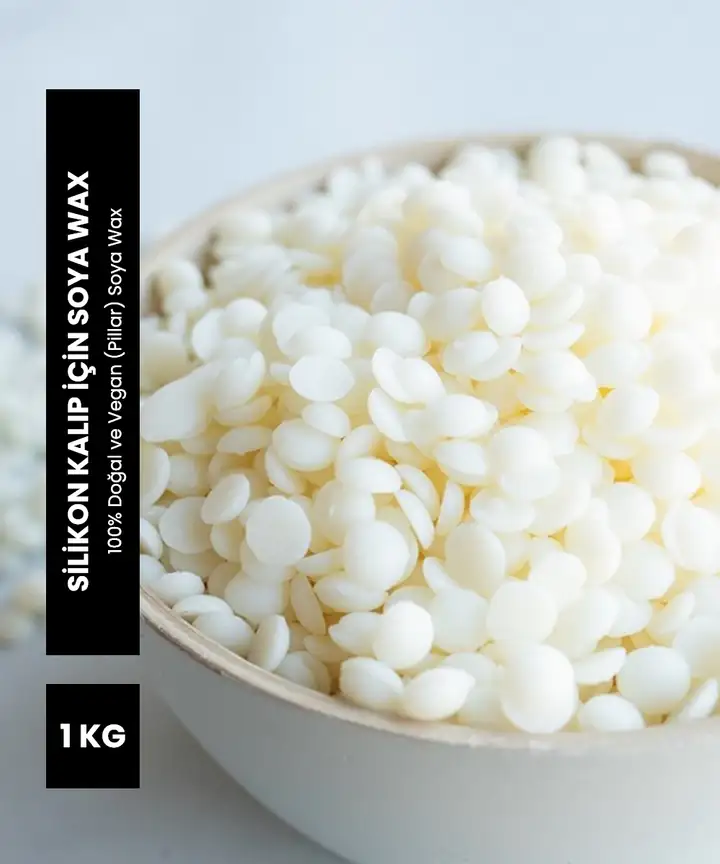
Our granular dye information says 10 g colors about 10–15 kg of wax. That value does not apply to mica; there is no gram-for-gram conversion. See fragrance and dye ratios for calculations. For molded decorative candles, pair Pillar Soy Wax with a suitable silicone mold.
Finally, check the product name, intended use, pigment suitability, clean surface and wick area individually. Shimmer shows a successful surface trial, not proof of safe, consistent burning. The same effect can be explored on non-burning decor or wickless products. Do not add an uncertain pigment to a wicked formula just because it looks pearlescent.
What are common questions about pearl wax and pearlescent candles?
Is the shop’s pearl wax a mica pigment?
No. The description of Pearl Powder Candle specifies vanilla-scented granular wax, 20 mini wicks and use without extra additives. Do not mix this product into wax as pearlescent dye.
Can mica powder go into candles?
Mixing it into wicked container candles is not recommended: particles can clog the wick. CandleScience distinguishes wickless wax melts from light surface application for suitable mica; these are different uses.
Can you put glitter on a candle surface?
Craft glitter and suitable mica pigment are different products. Do not add general-purpose glitter to a burning candle; verify surface-effect suitability and keep the wick and melt area clear.
How do you make a pearlescent candle?
First distinguish granular pearl wax from mica pigment. Suitable mica can be brushed thinly onto a cool decorative candle or inside a dry mold; do not use an arbitrary mixing ratio.
What mica percentage should wax melts contain?
The local sources give no percentage that applies to all mica. Follow your pigment’s instructions, make a small sample and weigh and record the amount used.
Does mica replace candle dye?
No. Mica creates surface effects with reflective particles; candle dye colors wax. Use candle-making dye in the body of a wicked candle.
Choose materials that suit your project
Choose molds, wax and accessories for your intended use, and record the first sample’s results as you go.