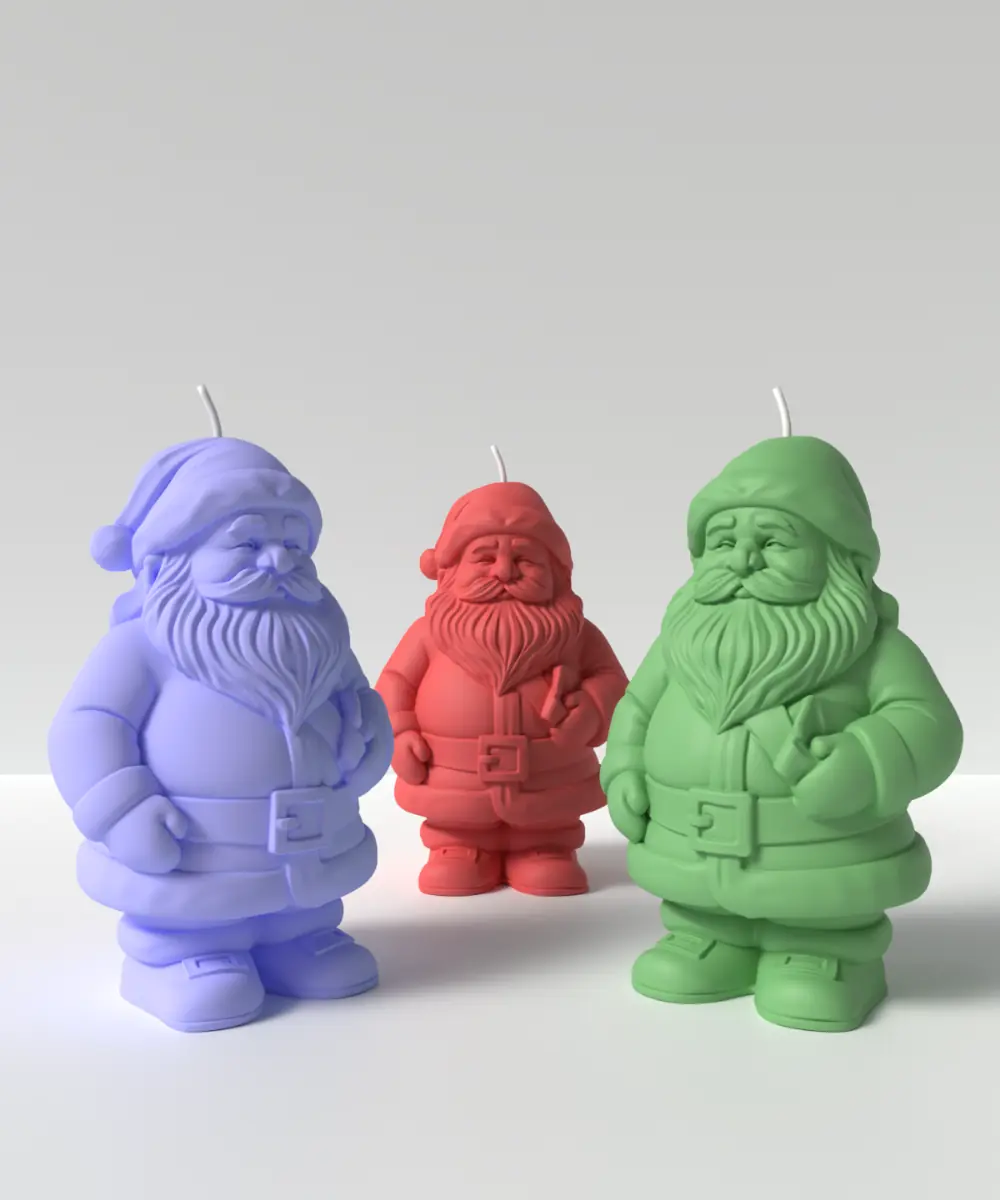

Mold-Shaped Soy Wax MSDS
SAFETY DATA SHEET
Product Name: Soywax
Section 1: Identification
Product Name: Soywax
Chemical Name/Synonyms: Hydrogenated soybean oil
Section 2: Hazard(s) Identification
Hazard Classification: In compliance with EC regulation No. 1272/2008, 29CFR1910/1200 and GHS Rev. 3 and amendments.
The substance is not classified as hazardous according to the Globally Harmonized System (GHS).
- Signal Word(s): None
- Hazard Statements: None
- Pictograms: None
- Precautionary Statements: None
Information concerning particular hazards for humans and environment: The product has to be labeled due to the calculation procedure of the "General Classification guideline for preparations of the EU" in the latest valid version.
Section 3: Composition/ Information on Ingredients
| Chemical Name | Synonym | CAS# | Conc. |
|---|---|---|---|
| Soybean oil, hydrogenated | - | 8016-70-4 | > 95% |
Section 4: First-Aid Measures
After skin contact: Wash with plenty of water / soap and rinse thoroughly. Get medical advice if skin irritation occurs or you feel unwell.
After eye contact: Avoid direct contact and wear chemical protective gloves, if necessary. Rinse cautiously with water for several minutes. Remove contact lenses, if present and easy to do. Continue rinsing. Get medical advice/attention.
After inhalation: Get medical advice if you feel unwell. If inhaled, remove to fresh air.
After swallowing: Rinse mouth and do not induce vomiting. Get medical advice if you feel unwell or concerned.
Section 5: Fire-Fighting Measures
Suitable extinguishing agents: Use Water (fog only), dry chemical, chemical foam, carbon dioxide, or alcohol-resistant foam. Do not use water as an extinguisher.
Thermal decomposition can lead to release of irritating gases and vapors.
Special protective equipment for firefighters: Use typical firefighting equipment, self-contained breathing apparatus, special tightly sealed suit.
Section 6: Accidental Release Measures
Personal precautions: Wear recommended personal protective equipment. Ensure adequate ventilation. Ensure air handling systems are operational.
Measures for environmental protection: Should not be released into the environment. Prevent from reaching drains, sewer or waterway.
Measures for cleaning/collecting: Wear protective eye wear, gloves and clothing. Absorb with non-combustible liquid-binding material (sand, diatomaceous earth (clay), acid binders, universal binders). Dispose of contents / container in accordance with local regulations.
Section 7: Handling and Storage
Handling: Use appropriate personal protective equipment (see Section 8). Use only with adequate ventilation. Avoid breathing mist or vapor. Do not eat, drink, smoke or use personal products when handling chemical substances. Wash thoroughly after handling.
Storage: Store in a cool, well-ventilated area. Protect from freezing and physical damage. Keep container tightly sealed.
Section 8: Exposure Controls/Personal Protection
Provide exhaust ventilation or other engineering controls to keep the airborne concentrations of vapor and mists below the applicable workplace exposure limits (Occupational Exposure Limits-OELs) indicated above. Emergency eye wash fountains and safety showers should be available in the immediate vicinity of use or handling.
- General protective and hygienic measures: Wash hands before breaks and at the end of work. Avoid contact with skin, eyes and clothing. Wash contaminated clothing before reusing.
- Breathing equipment: Respiratory protection should be worn when there is a potential to exceed the exposure limit requirements or guidelines. If there are no applicable exposure limit requirements or guidelines, use a NIOSH-approved respirator.
- Protection of hands: Select glove material impermeable and resistant to the substance.
- Eye protection: Safety goggles or glasses, or appropriate eye protection.
Section 9: Physical and Chemical Properties
| Form | Pale yellow, oily solid; liquid at elevated temperature |
| Odor | Faint |
| Odor threshold | n/a |
| pH | n/a |
| Melting point/melting range | 52°C - 55°C |
| Boiling point/boiling range | n/a |
| Flash point | > 315°C |
| Evaporation rate | n/a |
| Flammability | n/a |
| Upper/lower flammability or explosive limits | n/a |
| Auto ignition temperature | n/a |
| Danger of explosion | n/a |
| Vapor pressure | n/a |
| Vapor density | n/a |
| Relative density | n/a |
| Solubility in/Miscibility with water | n/a |
Section 10: Stability and Reactivity
Reactivity: Does not react under normal conditions of use and storage.
Chemical stability: Stable under normal conditions of use and storage.
Conditions to avoid: None known.
Incompatible materials: Strong oxidizing agents.
Hazardous decomposition products: None known.
Section 11: Toxicological Information
Acute toxicity: No additional information.
Potential routes of exposure/potential health effects:
- Skin, Eye, Inhalation, Ingestion: No additional information.
Carcinogenic effects: None of the ingredients are listed.
Other effects: Mutagenic effects, Reproductive toxicity, Sensitization, Target organs: No additional information.
Section 12: Ecological Information
Ecotoxicity, Mobility, Biodegradation, Bioaccumulation: No additional information.
Section 13: Disposal Considerations
It is the responsibility of the waste generator to properly characterize all waste materials according to applicable regulatory agencies.
Section 14: Transport Information
DOT regulations: Hazard class: None
Land transport ADR/RID (cross-border): None
ADR/RID class: Not regulated
Maritime transport IMDG: Not regulated
Air transport ICAO-TI and IATA-DGR: ICAO/IATA Class: Not regulated
Section 15: Regulatory Information
North American
- SARA Section 311/312 (Specific toxic chemical listings): Not classified.
- SARA Section 302/313: None of the ingredients are listed.
- TSCA (Toxic Substances Control Act): All ingredients are listed.
- Proposition 65 (California): Chemicals known to cause cancer/reproductive toxicity: None of the ingredients are listed.
Canada
Canadian Domestic Substances List (DSL): 8016-70-4 Soybean oil, hydrogenated: listed.
European Union
REACH Article 57 (SVHC): None of the ingredients are listed.
Germany MAK: Not classified.
Australia
Australian Inventory of Chemical Substances (AICS): 8016-70-4 Soybean oil, hydrogenated: listed.
Section 16: Other Information
This product has been classified in accordance within GHS guidelines. The information provided in this SDS is correct, to the best of our knowledge, based on information available. The information given is designed only as a guidance for safe handling, use, storage, transportation and disposal and is not to be considered a warranty or quality specification.
SDS date of preparation/update: 01. February 2025 (updated)